How to Plan a Morocco Trip


Once Morocco has you dreaming, these are the Morocco travel questions you need answers to. How long do you need, when should you go, and which parts of the country belong in your trip?
Morocco trip planning: quick answers
How many days do you need in Morocco? Seven to 10 days works for a first visit; 10 to 14 days allows a fuller circuit.
What is the best time to visit Morocco? Spring (March to May) and autumn (September to November).
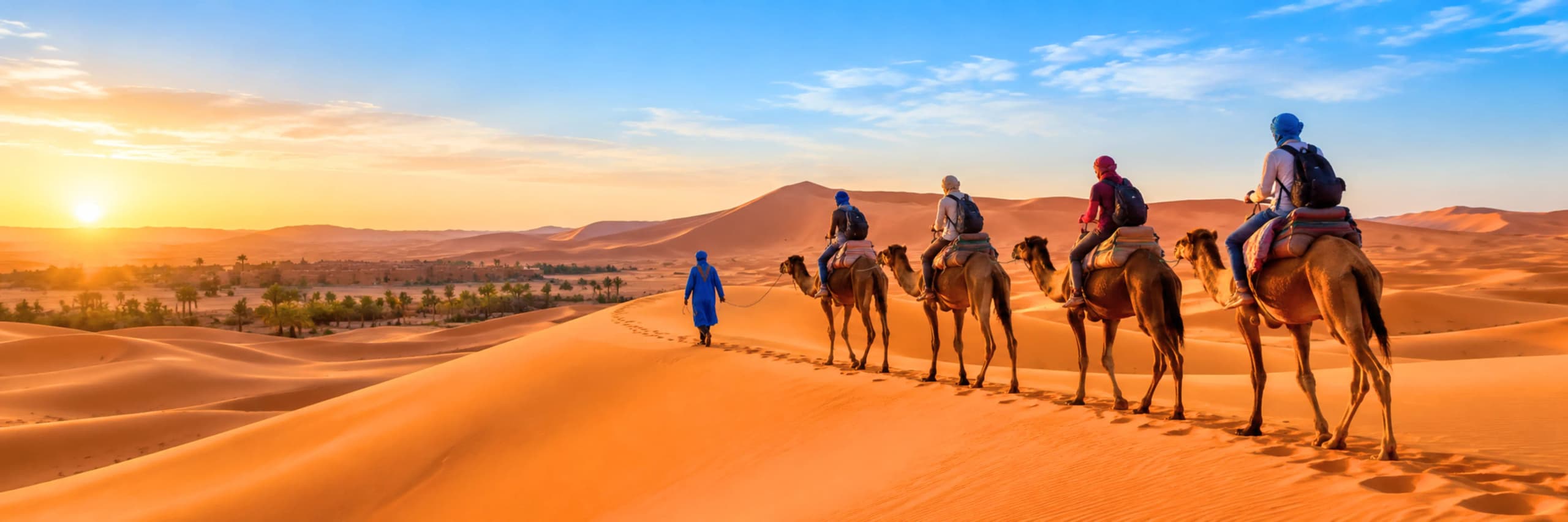
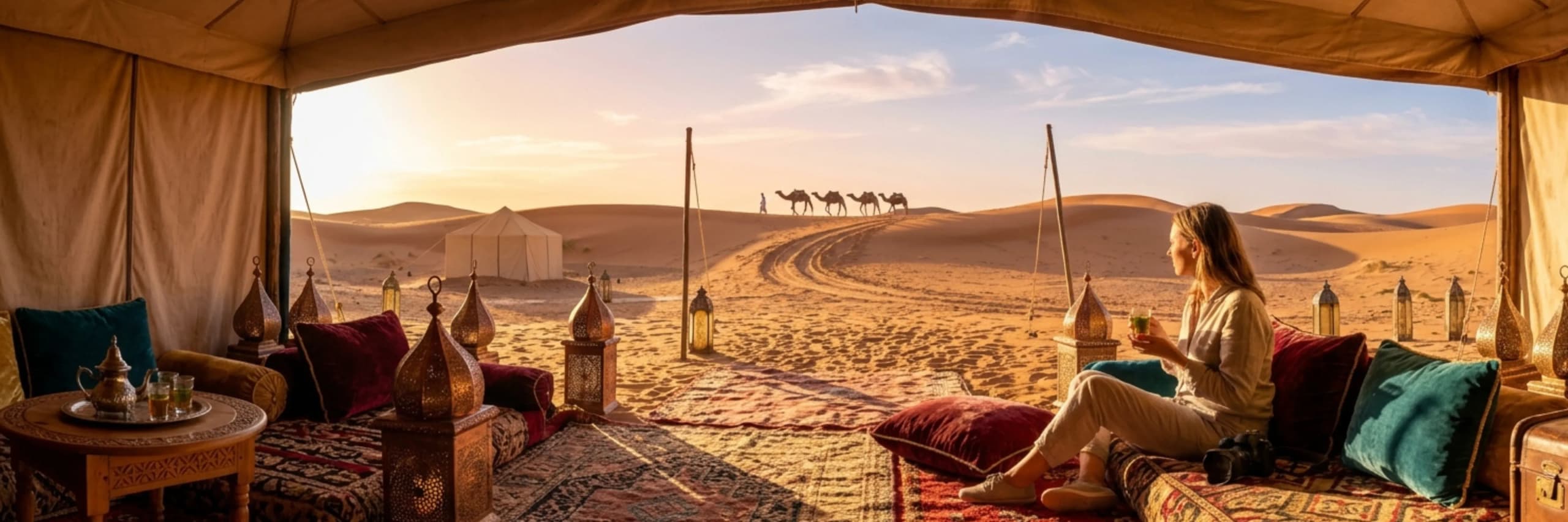
Is the Sahara worth including? For most travelers, yes, if you have at least nine days. Plan one night in a desert camp at Merzouga, which gives you a dune sunset, dinner, a night under the stars, and a sunrise walk.
Is Marrakech enough? For a long weekend or a 4 to 5 day trip, yes. Marrakech covers the souks, riads, palaces, and food, with day trips to the Atlas Mountains. With a week or more, add Fes for history and craftsmanship, the Atlas for a slower pace, or the Sahara for the desert.
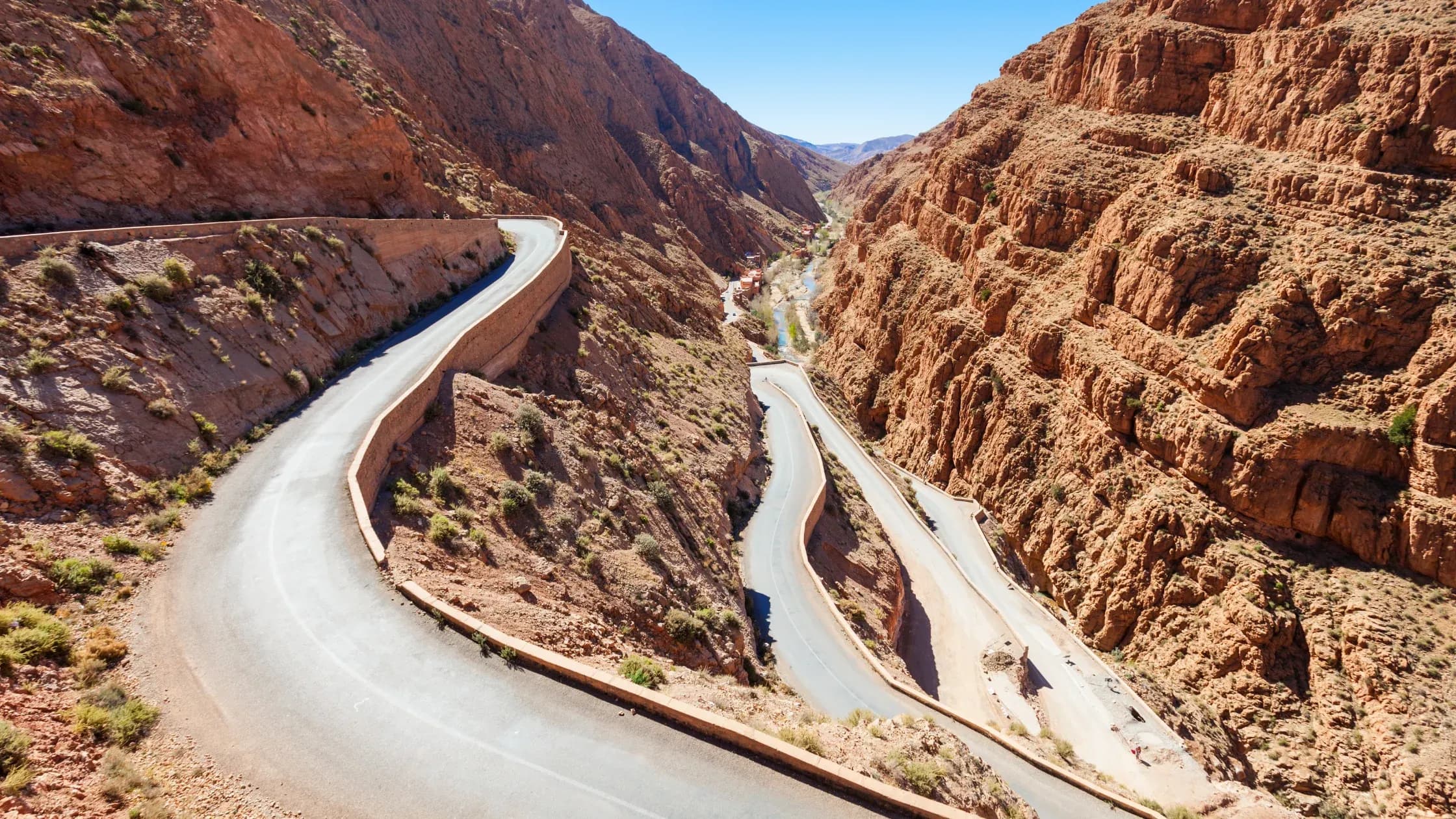
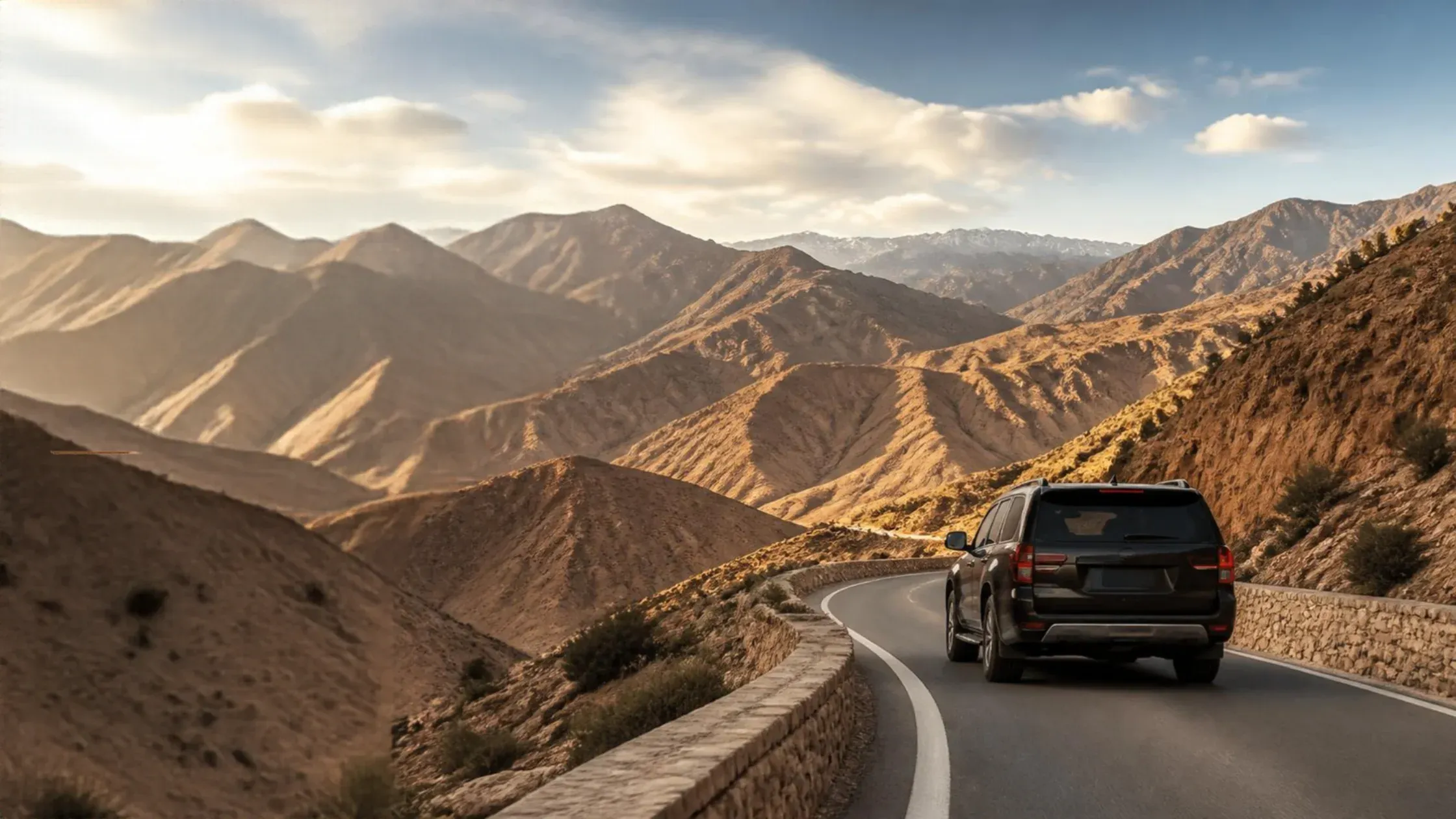
How long are the drives? Marrakech to Fes takes about 6 to 7 hours by road, and Marrakech to Merzouga about 10 hours without stops. Most itineraries break the Merzouga drive with an overnight in the Dades Valley or near Aït Benhaddou.
How many days do you need for Morocco?
7 to 10 days is the sweet spot for a first visit: Marrakech, the Atlas Mountains, and a taste of the Sahara, without a string of one-night stops. A week covers Marrakech, Aït Benhaddou, and the desert; ten days gives you time to relax and add Fes.
10 to 14 days suits travelers who want the fuller circuit: Marrakech, Fes, the Atlas, the Sahara, and possibly Chefchaouen or the coast.
Morocco rewards a slower, well-paced circuit. Long drives between dramatic landscapes are part of the experience, but only if there is time to stop, wander, and sit still once you arrive. Stacking three cities and a desert detour into six or seven days can mean spending too much in the car.
What not to cram in: Chefchaouen, the full Sahara circuit, and the coast in under ten days. Pick two or three regions and give each real time.
When is the best time to visit Morocco?
It depends on the itinerary, because Morocco is really several climates in one country.
Spring (March to May) is generally the best all-around window. Cities are warm but not punishing, the Atlas foothills are green, and the Sahara is comfortable for a desert camp.
Autumn (September to November) runs a close second. The summer heat has broken, and desert nights are mild rather than bitter.
Summer (June to August) suits the coast and the mountains, where altitude or sea breeze tempers the heat. Marrakech and the desert can turn brutal at midday.
Winter (December to February) suits the cities, with clear skies and manageable heat. Nights in the Sahara and the High Atlas can be cold, and snow is common on Atlas passes.
Where should you go?
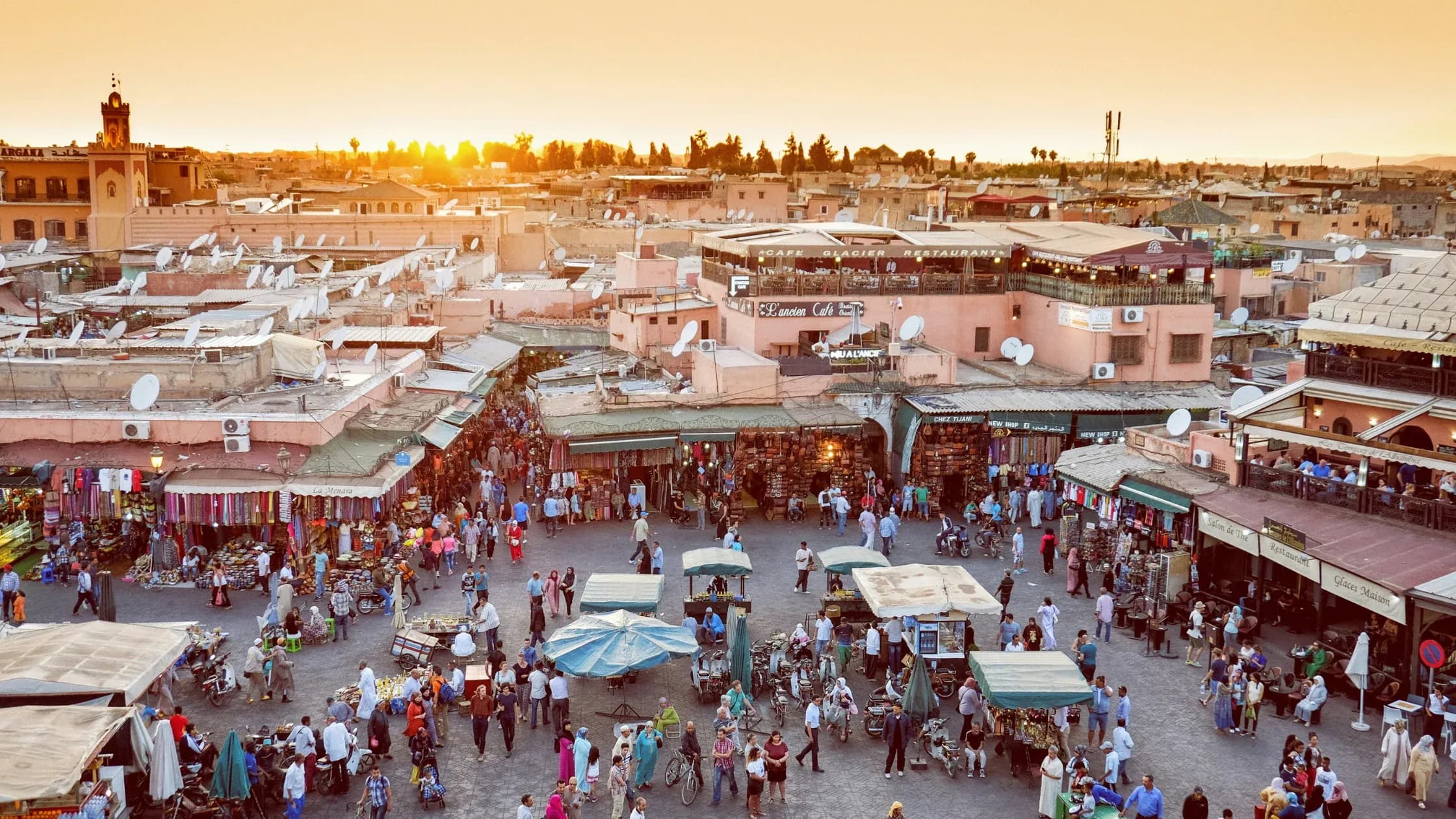
Marrakech is the cultural and sensory core, and the heart of any Marrakech travel guide: souks, riads, palaces, and food.
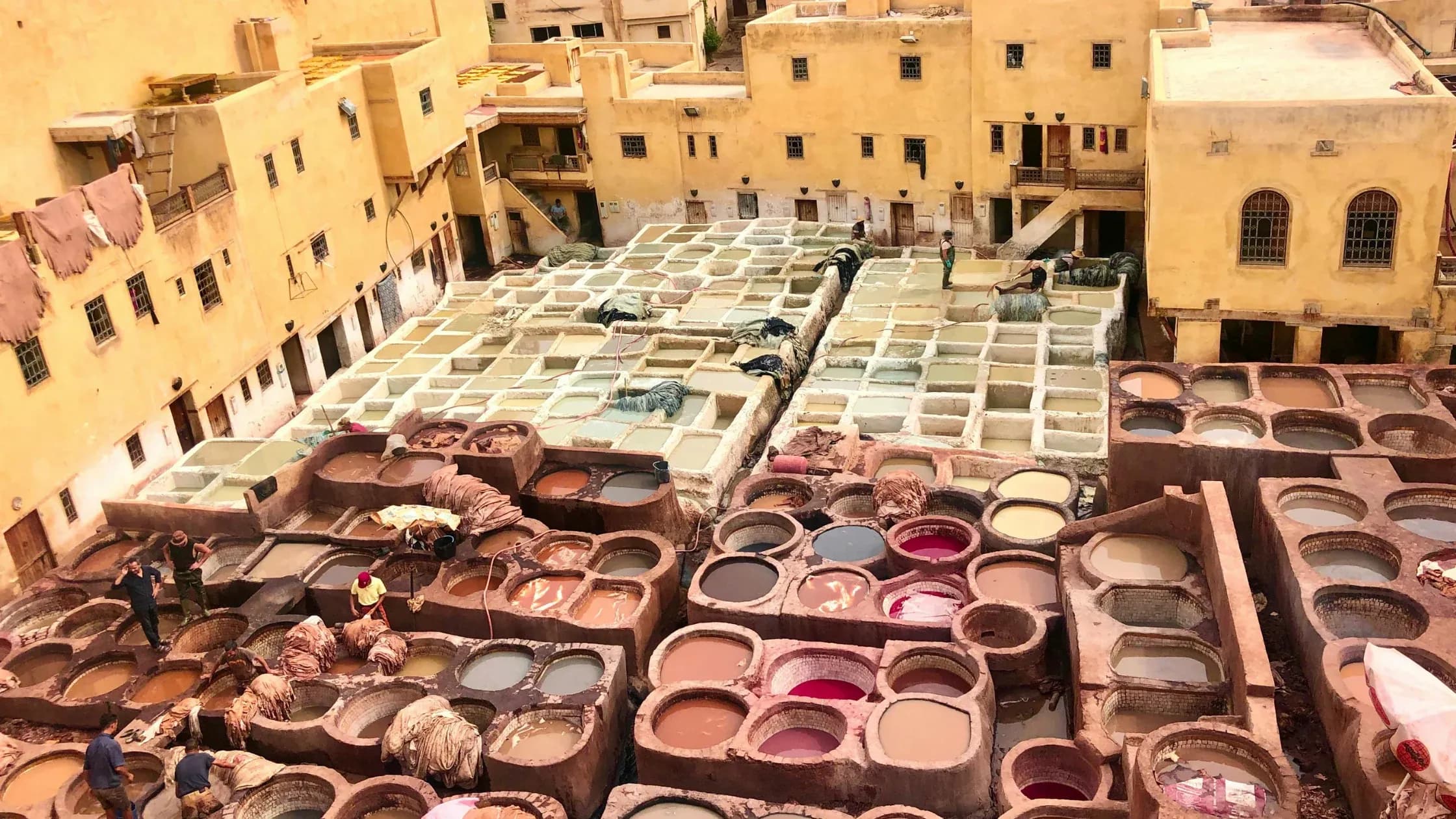
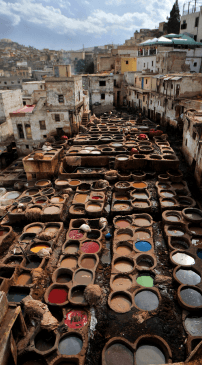
Fes is where history and craftsmanship take center stage, with centuries-old tanneries and madrasas in a less touristy medina.
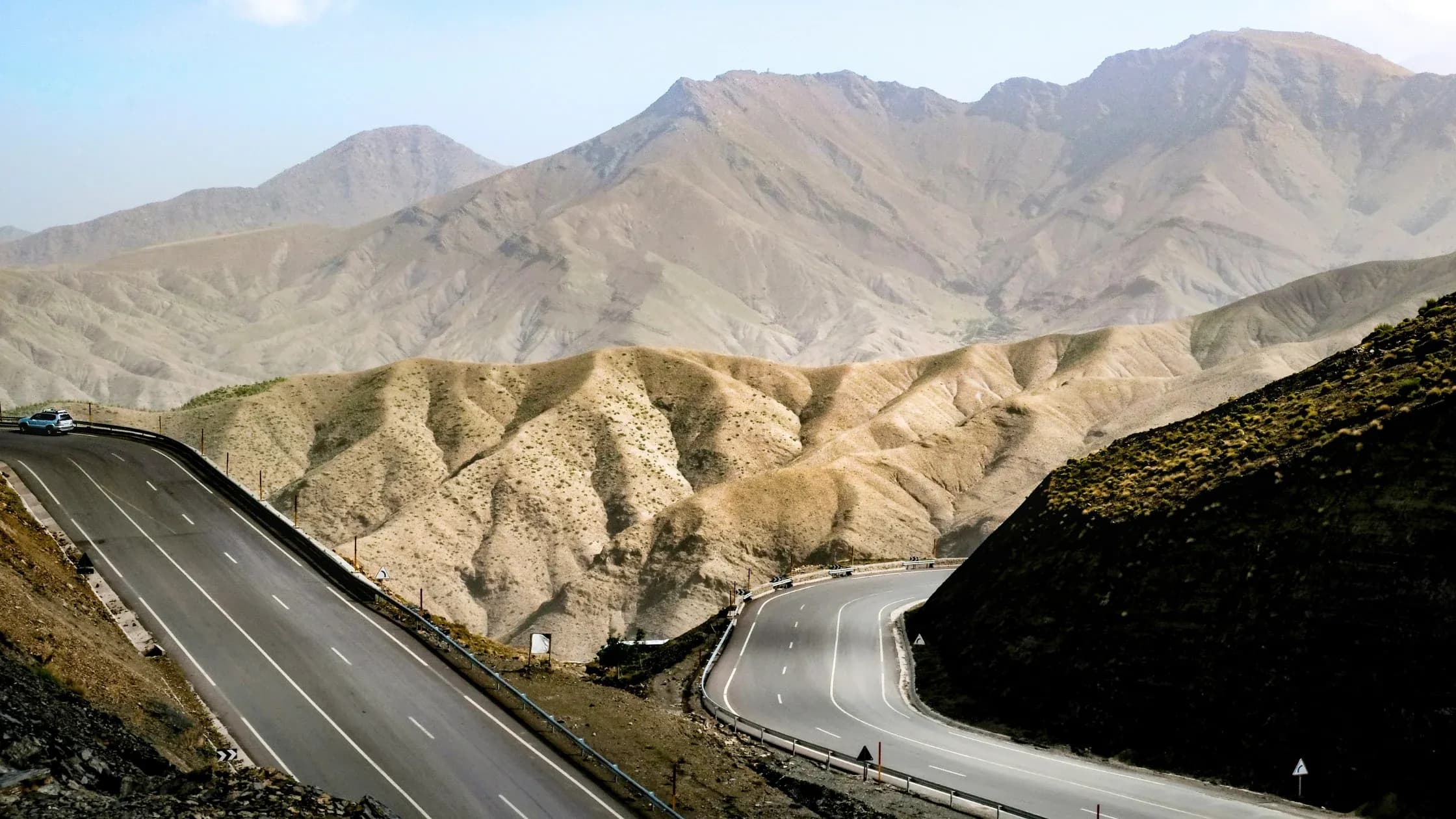
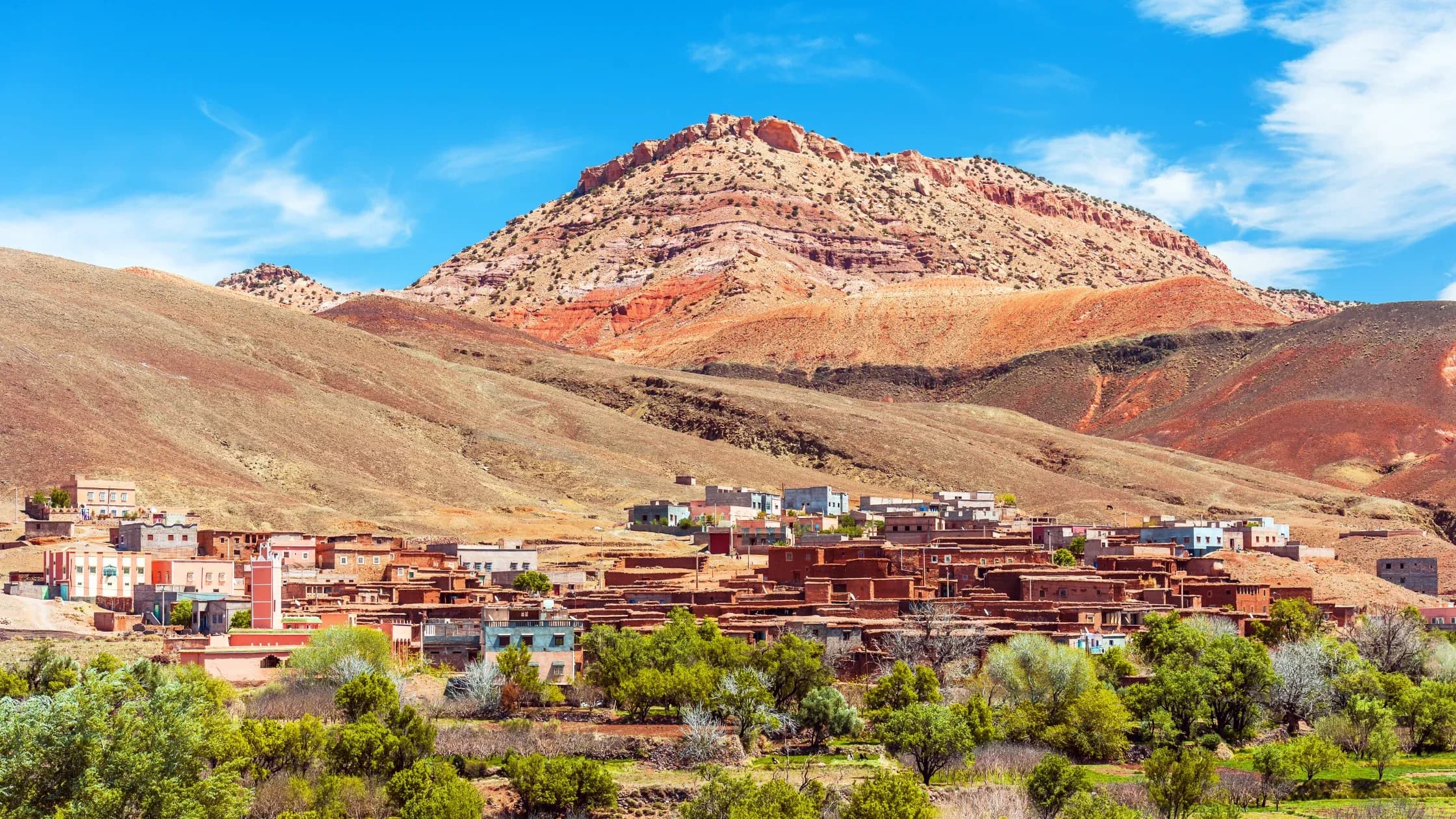
The Atlas Mountains slow the trip down, with villages, hiking, and a different pace, usually a stop between Marrakech and the south.
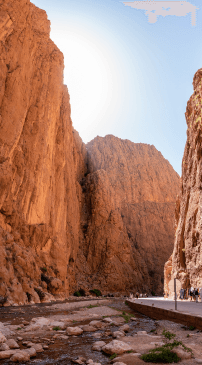
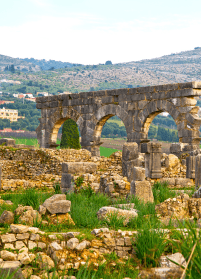
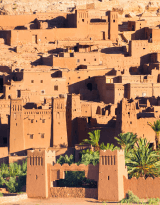
Aït Benhaddou, the Dades Valley, and Ouarzazate are the road-trip landscape: kasbahs, gorges, and some of the most dramatic architecture in the country.
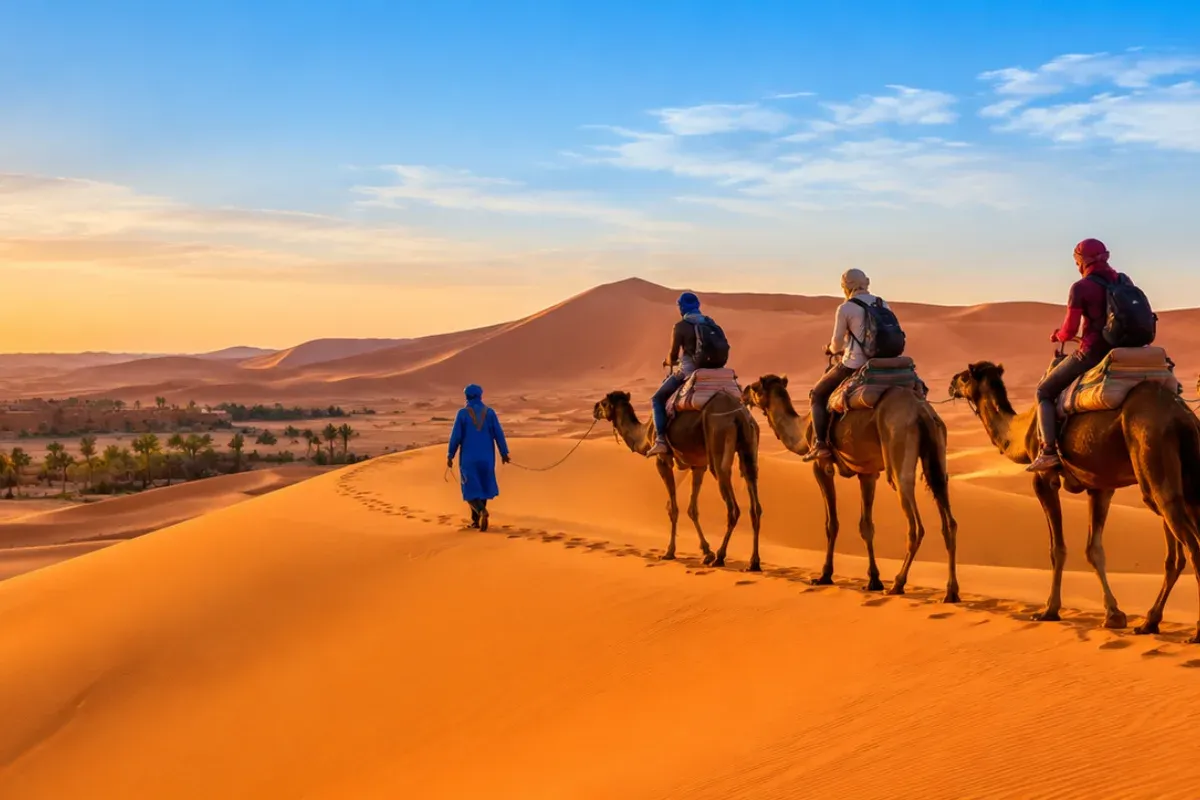
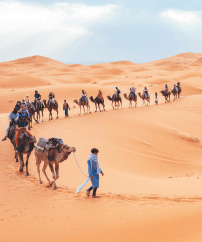
Merzouga and the Sahara are the desert experience itself, and often the trip's defining memory.
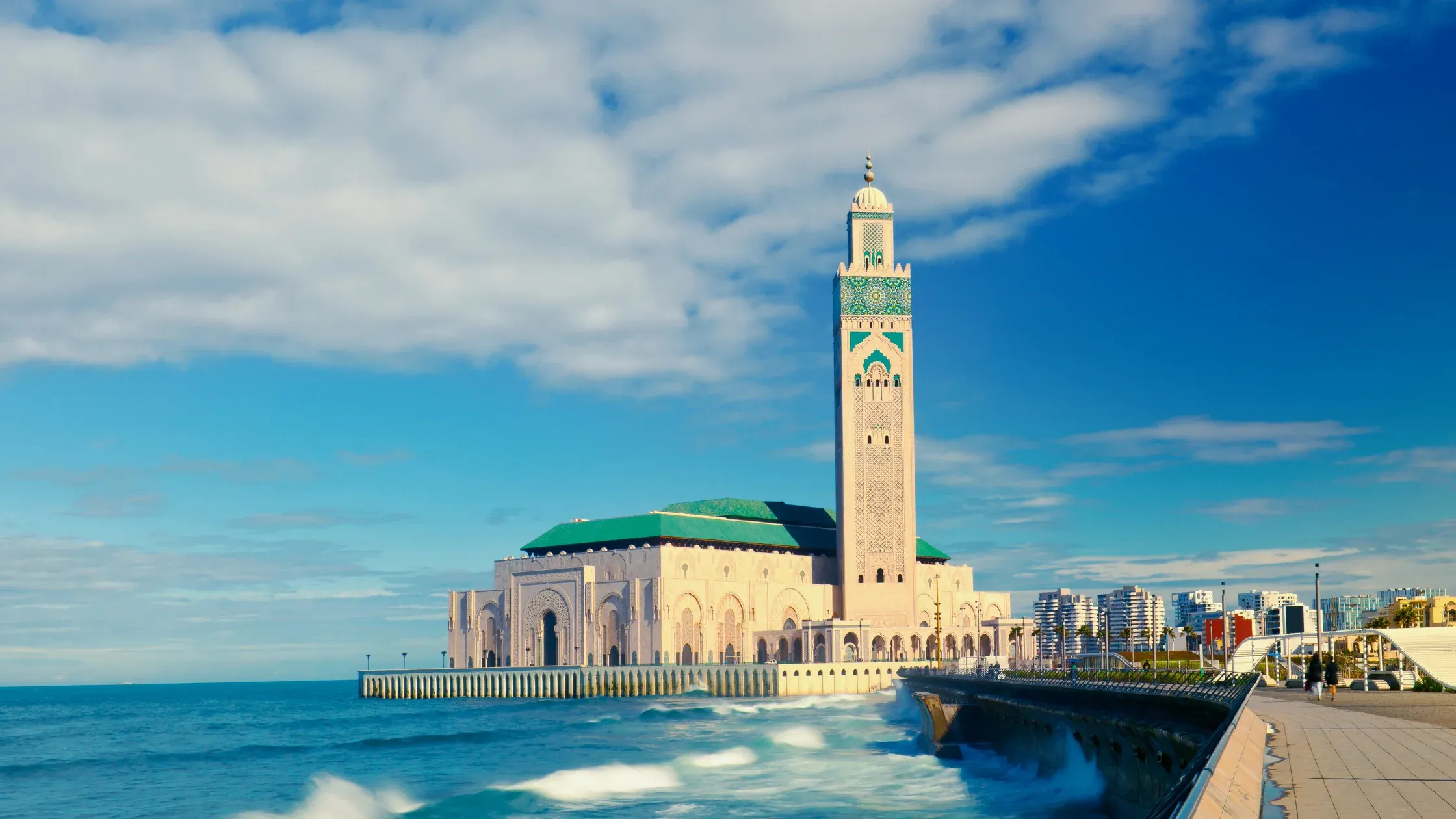
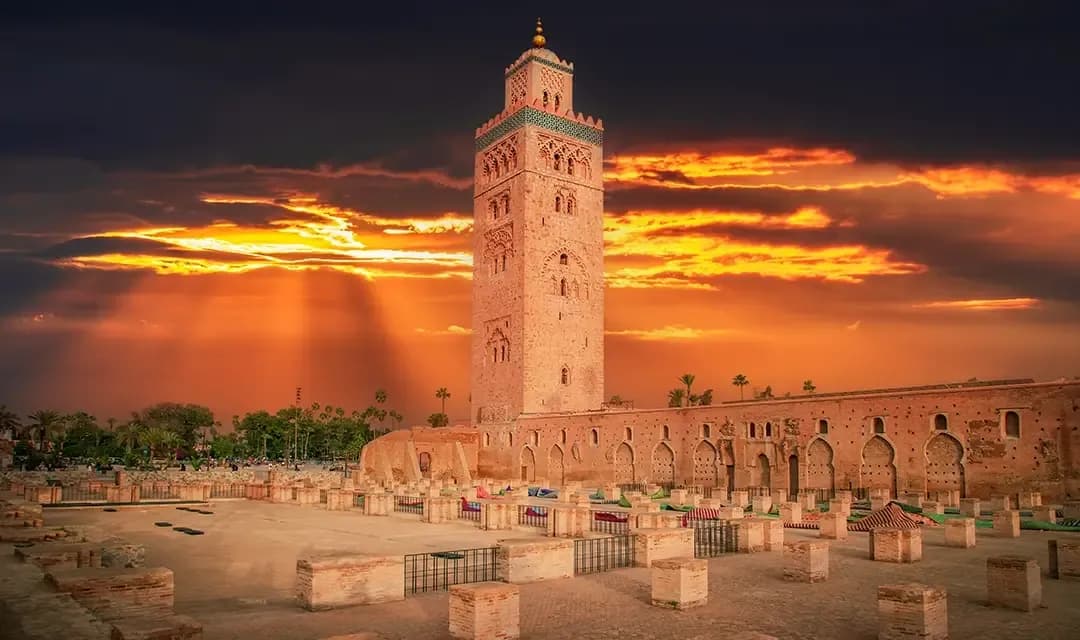
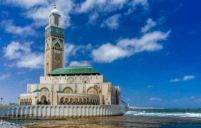
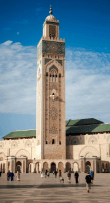
Casablanca is Morocco's largest city and its main international gateway, which makes it usually the first or the last stop. Give it half a day: see the Hassan II Mosque on the Atlantic waterfront, walk past the Art Deco buildings downtown, and visit Villa des Arts or the Museum of Judaism.
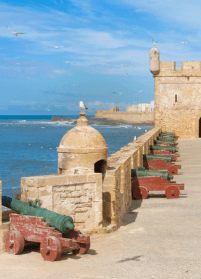
Essaouira and the Atlantic coast offer a slower, breezier counterpoint when the itinerary has room for a day or two.
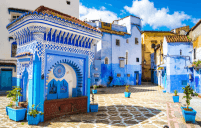
The best combinations follow geography. Marrakech, the Atlas, and the Sahara form a natural southern loop. Fes and Chefchaouen sit to the north and add history and color at the cost of more driving.
Should you include the Sahara?
This is usually the biggest single decision in planning a Morocco trip.
Is it worth the extra travel? For most travelers, a Morocco desert tour is worth it. The dunes, the silence, and the night sky are unlike anything else on the itinerary.
How many nights? One night covers sunset over the dunes, dinner by firelight, a night under the stars, and sunrise. Two nights allow a slower pace and a second sunset.
Desert camp or hotel? A well-run camp, with proper beds, private bathrooms, and a dedicated chef, can deliver far more comfort than you might expect from a tent.
Who should include it? Anyone with nine or more days and an interest in landscape and stillness. Travelers on a tighter week, or those who prioritize cities and food, can save it for another day.
How to build the right Morocco itinerary
7 days: Marrakech, the Atlas, and Aït Benhaddou, with the Sahara possible but tight.
10 days: Marrakech, Fes, the Atlas, and the Sahara, with enough time to experience each without constantly packing and unpacking.
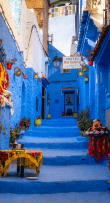
12 to 14 days: A fuller circuit that adds the coast, Chefchaouen, or more time in the Atlas.
The right day-by-day shape depends on your interests, your dates, and how much driving you are happy to do. Tell our Morocco specialists what you want from the trip, and we will build the route around it. Call 1-844-770-7948 or email journeys@travelopod.com.
Where should you stay?
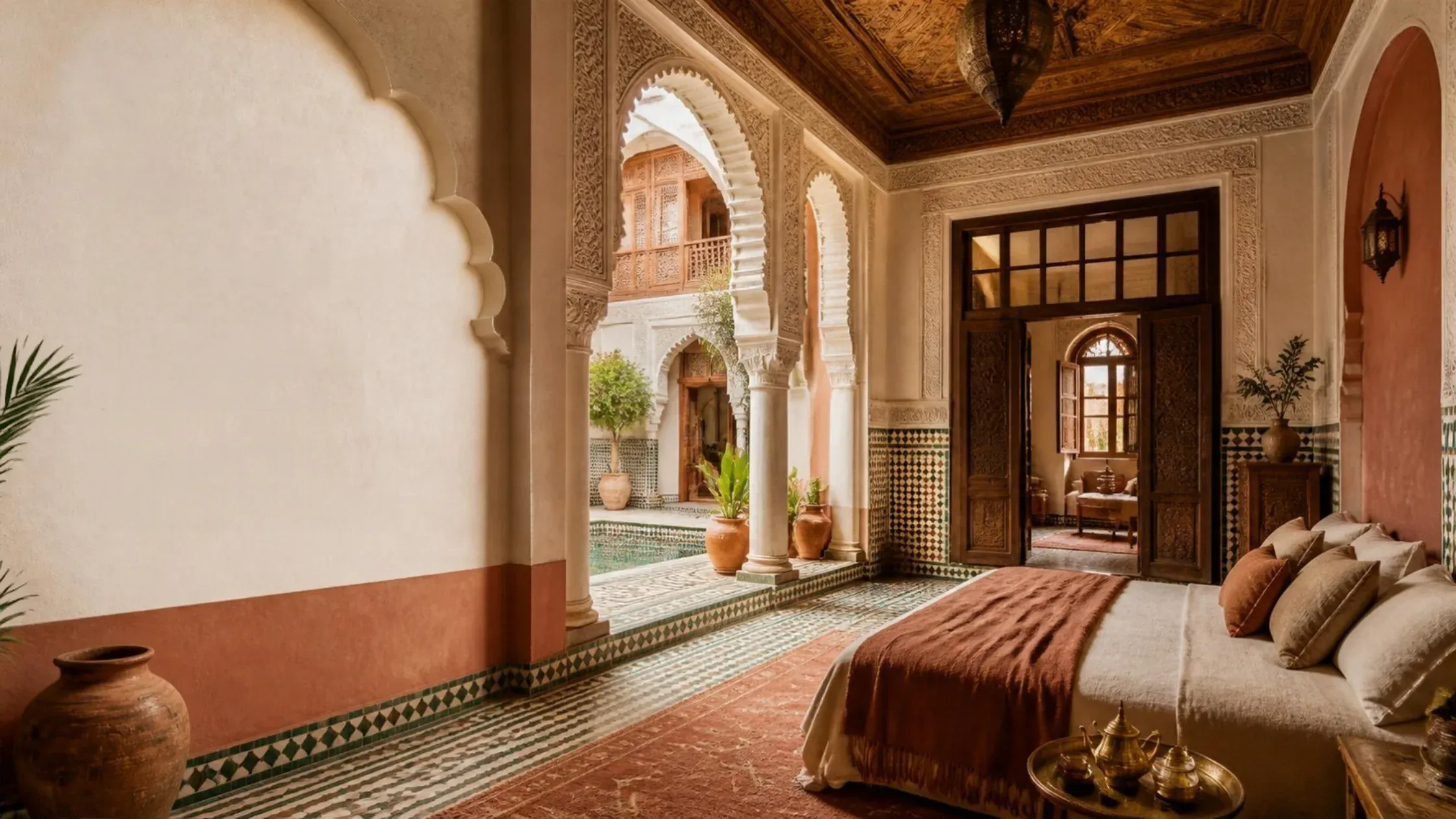
Accommodation in Morocco makes the experience more special.
Riads in the medinas put you inside the old city, behind a carved door, in a restored courtyard house.
Boutique hotels offer similar intimacy with more space, often just outside the medina walls.
Luxury city hotels suit travelers who want five-star familiarity alongside cultural immersion.
Mountain lodges in the Atlas foothills offer views no city hotel can match.
Desert camps range from simple to genuinely luxurious, and are often the most memorable stay on the trip.
Coastal stays along the Atlantic add a more relaxed register to the closing days.
How do you get around Morocco?
A private driver is one of the most comfortable ways to move through a multi-stop itinerary. Distances are long, roads wind through mountains, and a driver who knows the route can turn transit time into part of the experience.
Trains connect Casablanca, Rabat, Fes, and Marrakech comfortably, and domestic flights can help on longer hops, though most multi-region itineraries are built around road travel.
What should you know before you go?
Currency: the Moroccan dirham. Cards are widely accepted in hotels and larger businesses, but cash is useful for souks and smaller shops.
Language: Arabic and Amazigh are official; French is widely spoken, and English is common in tourist areas.
Dress and etiquette: modest clothing is appreciated, especially outside resorts and riads. Wear breathable fabric for the weather.
Tipping is customary for guides, drivers, and riad staff.
Connectivity: a local SIM or eSIM covers most of the country, including larger towns in the south.
What to pack: layers. Mornings and evenings run cooler than midday suggests, especially in the mountains and desert.
What kind of Morocco holiday is right for you?
- If you want culture and food, choose Marrakech plus Fes.
- If you want adventure, choose the Atlas plus the Sahara.
- If you want luxury, choose riads, private touring, and a luxury desert camp.
- If you want slower travel, choose Marrakech plus the coast.
- If you want the full experience, choose a multi-region circuit.
Morocco trip planning: FAQs
Do US citizens need a visa for Morocco? No, US passport holders can visit for up to 90 days without a visa, provided the passport is valid for at least six months beyond the trip. Always confirm current entry rules with the Moroccan consulate or the US State Department before you travel.
Is Morocco safe for American travelers? Morocco is generally safe for tourists. In crowded souks, keep your belongings close and expect some persistent sales approaches, which a polite "no, thank you" usually settles.
Is it safe to drink the tap water? Stick to bottled water for drinking and brushing your teeth. Your hotel or riad can supply it.
Ready to plan your Morocco trip?
Travelopod has been building tailor-made journeys for over 21 years. Tell our Morocco specialists your dates, your interests, and how much of the country you want to see, and we will come back with a route that fits. Explore our Morocco itineraries for more details.
Or call 1-844-770-7948, or email journeys@travelopod.com.
ExclusiveOur Signature Journeys
View All >
Why Choose Travelopod
Travelopod makes every journey seamless, affordable, and unforgettable. Here's why travelers choose us for flights and vacations.
Your Next Adventure Awaits
Meet Our Special Advisors
Our trusted advisors bring decades of expertise to help plan your perfect journey.

Anna
Holiday Expert

Vic
Holiday Expert

Suzane
Holiday Expert
Get Holiday Inspiration & Exclusive Offers
Join our mailing list to receive the latest updates and travel inspiration
We respect your privacy. Unsubscribe at any time.