.webp&w=2560&q=75)
Palace Hotels in India: Where the Maharajas Still Live


There are three kinds of palace hotels in India, and knowing the difference changes what a stay actually feels like.
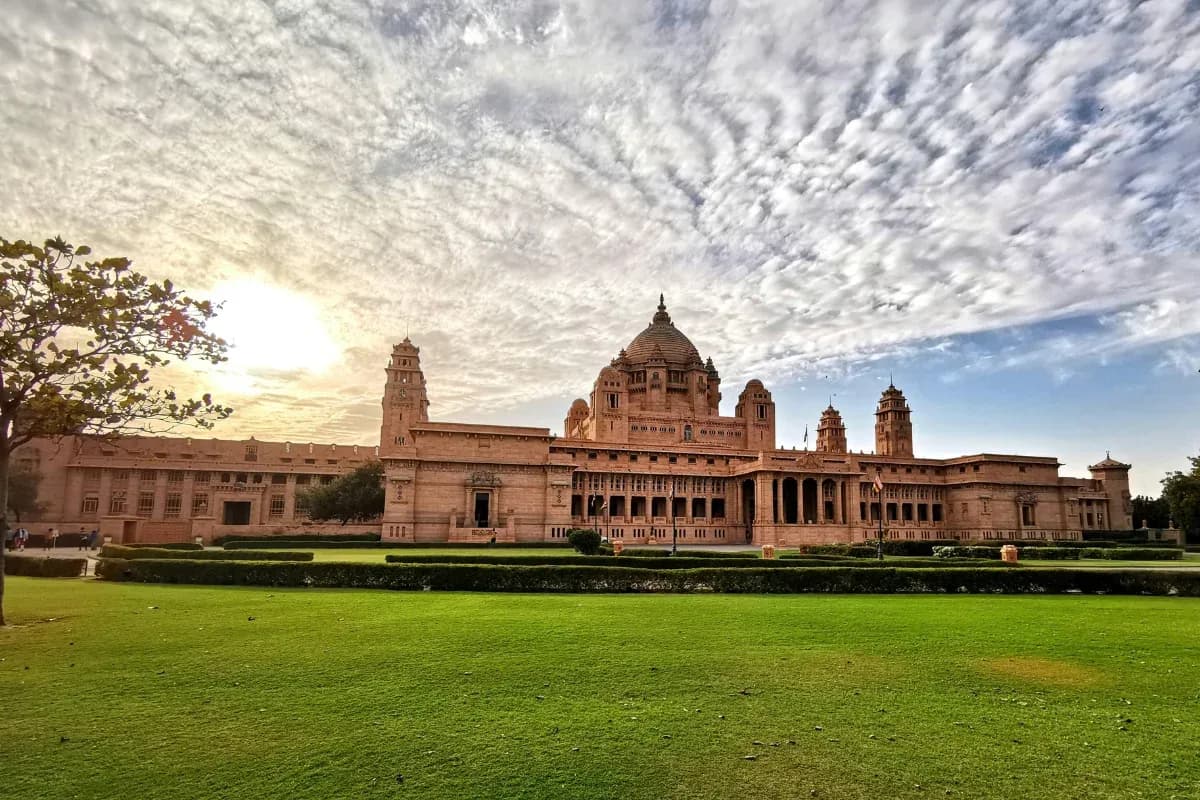
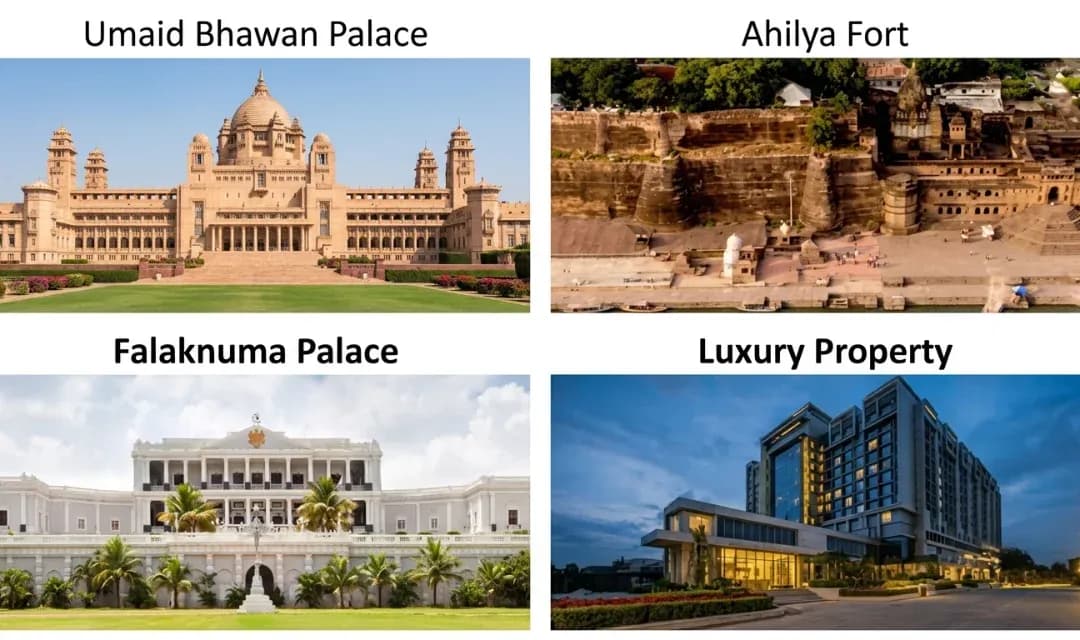
- Palaces where the royal family still lives. Umaid Bhawan Palace in Jodhpur is the clearest example: the Jodhpur royal family occupies roughly a third of its 347 rooms, while the rest operates as a Taj hotel.
- Palaces owned by royal families and personally hosted by them. Ahilya Fort in Maheshwar is run by Prince Richard Holkar himself, and Deogarh Mahal in Rajasthan is still occupied and personally supervised by the Sangawat family.
- Palaces owned by royal families but hotel-operated, with the family no longer in daily residence. Falaknuma in Hyderabad, Rambagh in Jaipur, and Taj Lake Palace in Udaipur fall into this group; the family retains ownership and legacy, but a hotel group runs daily operations.
A fourth category exists too: newer luxury properties styled in palace tradition, with no living royal family connected to them at all. These can be excellent hotels, but they are a different kind of stay from the three above.
There are very few places left in the world where you can sleep in a real palace and be received, in some quiet way, by the family that still calls it home. Most of them are in India.
Not a museum tour. Not a themed suite. An actual home, built for an actual dynasty, where the family kept a wing for themselves when they opened the doors to guests. You eat where they ate. You walk courtyards their grandchildren still cross. In the smaller ones, you may find yourself at dinner with them.
This is the reason to come to India for this kind of trip. Not to visit palaces. To stay in one.
Why this is worth planning around
A hotel room, however beautiful, is a hotel room. A palace is not.
Staying in one is not about thread count or the amenity list, though the amenities, in the best of these, are extraordinary. It is about waking up in a space designed for a life you have only read about.
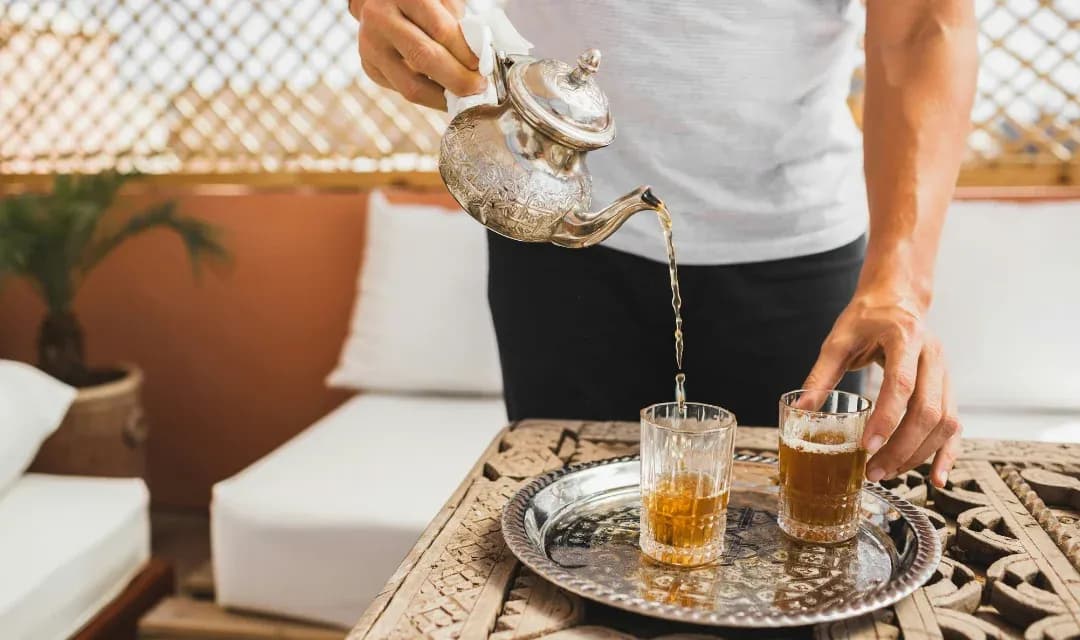
Marble underfoot, walked by five generations of a single family. Windows cut, centuries ago, to frame one specific hilltop or one particular curve of a river. Tea brought to you by someone whose father brought tea to the last maharaja, in the same hour of the morning.
It is a different proposition from a beautiful hotel in the Aman or Four Seasons mold, as exceptional as those are. Those brands build the fantasy from nothing, at extraordinary skill. A palace does not need to build it. The fantasy comes with the deed to the building.
But not all palace hotels in India are equal
Once you understand this, you cannot book them the same way again.
There is a hierarchy, and almost no first-time visitor knows it. It has nothing to do with star rating. It comes down to one question: is the palace still, in any real sense, alive?
Tier one: you are a guest in someone's home
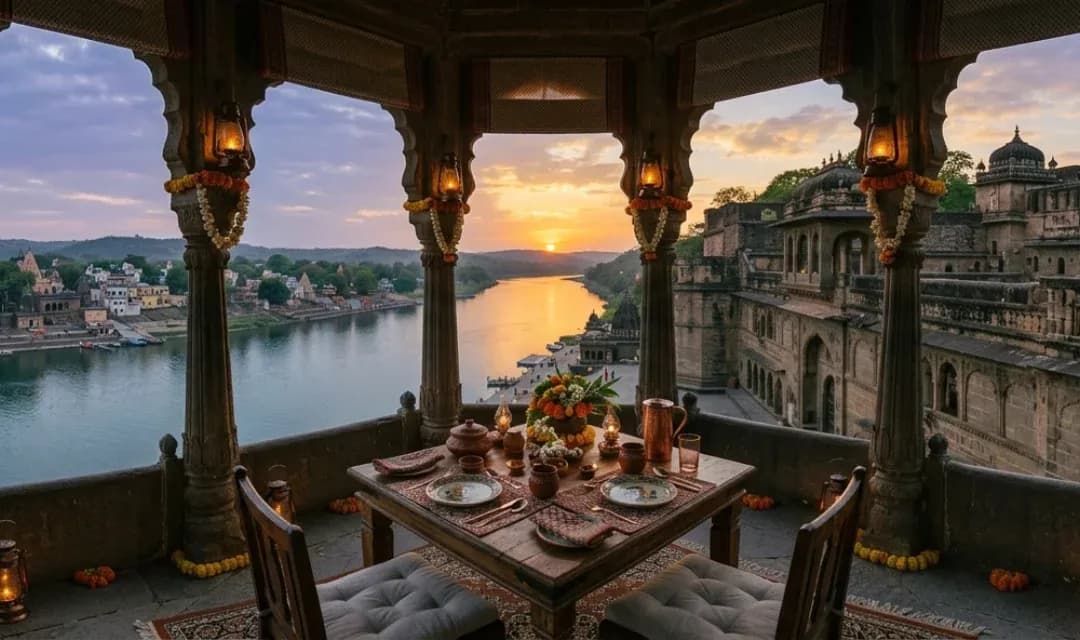
At Ahilya Fort in Maheshwar, you are often received by Prince Richard Holkar himself. He is the son of the last Maharaja of Indore, a descendant of Maharani Ahilyabai, the eighteenth-century queen who ruled from this fort on the Narmada. In 2000 he converted his own home inside the fort into a nineteen-room hotel. He personally sets the day's menu, and guests often dine together at one table, sometimes with him.
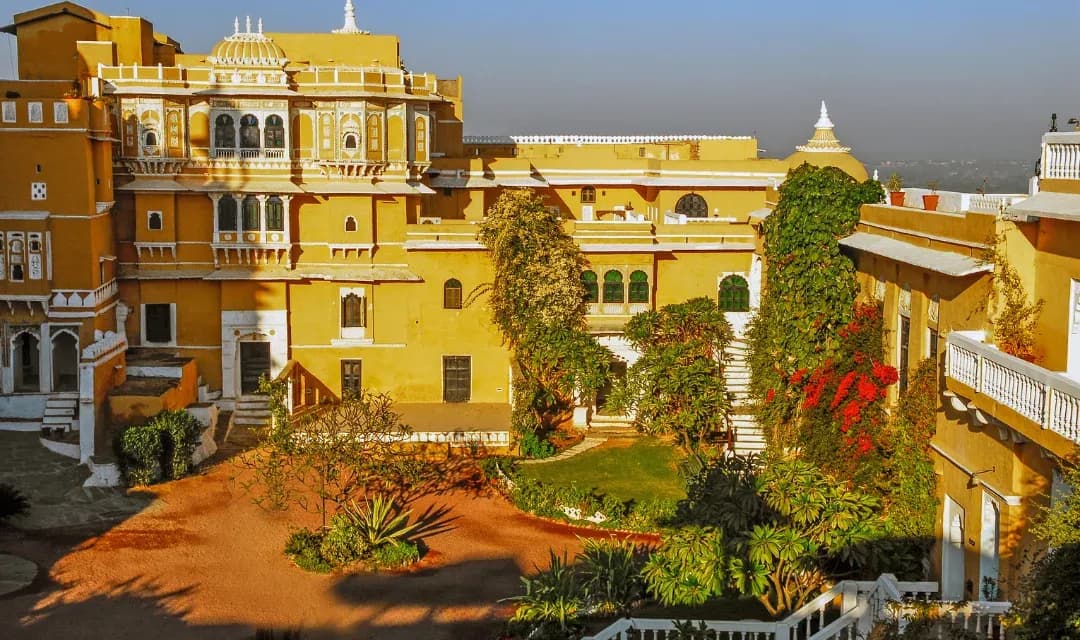
Deogarh Mahal is older and smaller in profile. The Sangawats, a cadet branch of the Mewar royal house, built it in 1670. The family still occupies part of the palace and supervises it personally, down to small details most hotels leave to staff.
This is the rarest tier. The properties are small. Nothing has been outsourced. What you get, if you have chosen well, is a form of hospitality closer to being received than to being served.
Tier two: you are inside a living institution
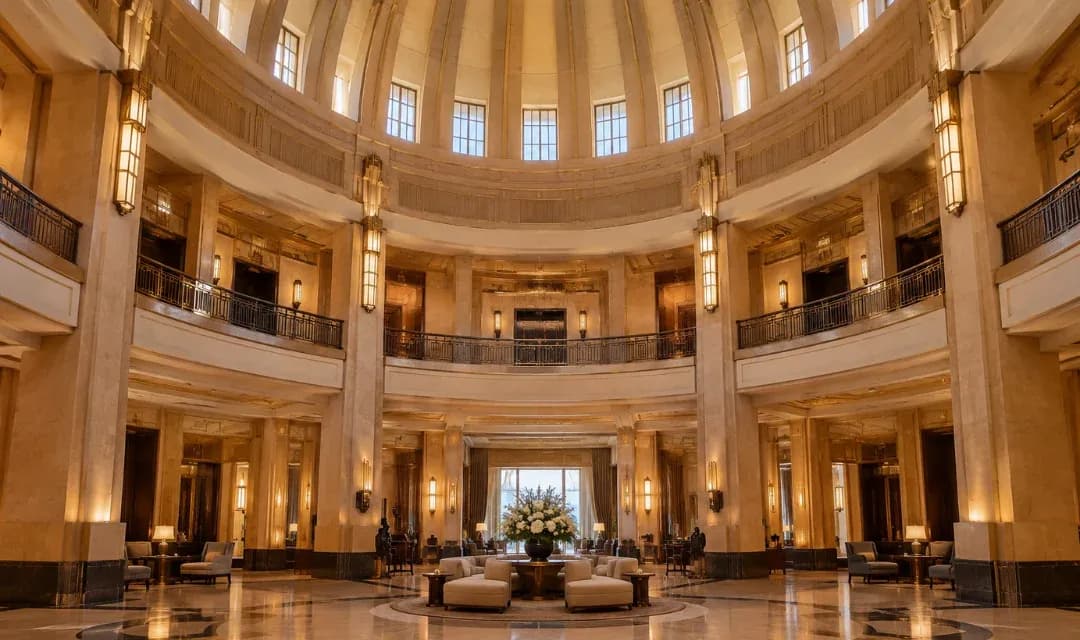
The Maharaja of Jodhpur still lives at Umaid Bhawan Palace. Not ceremonially. His family occupies the private wing, roughly a third of the palace's 347 rooms. He is there when you arrive, in the way a homeowner is there even when you never see them.
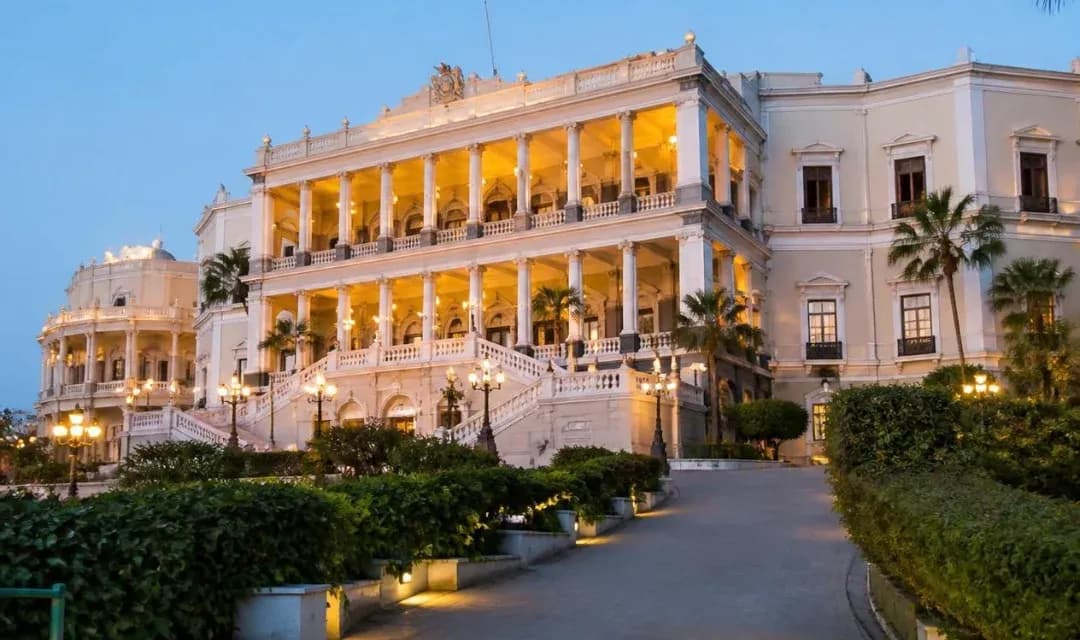
Falaknuma sits on a hill above Hyderabad, and the drive up is part of the experience it was built for: the car crests the hill and the whole palace opens below the city's skyline. Restored by Princess Esra of the Nizam's family and now run by Taj, it still carries that intended sense of arrival, down to a dining table built to seat one hundred and one.
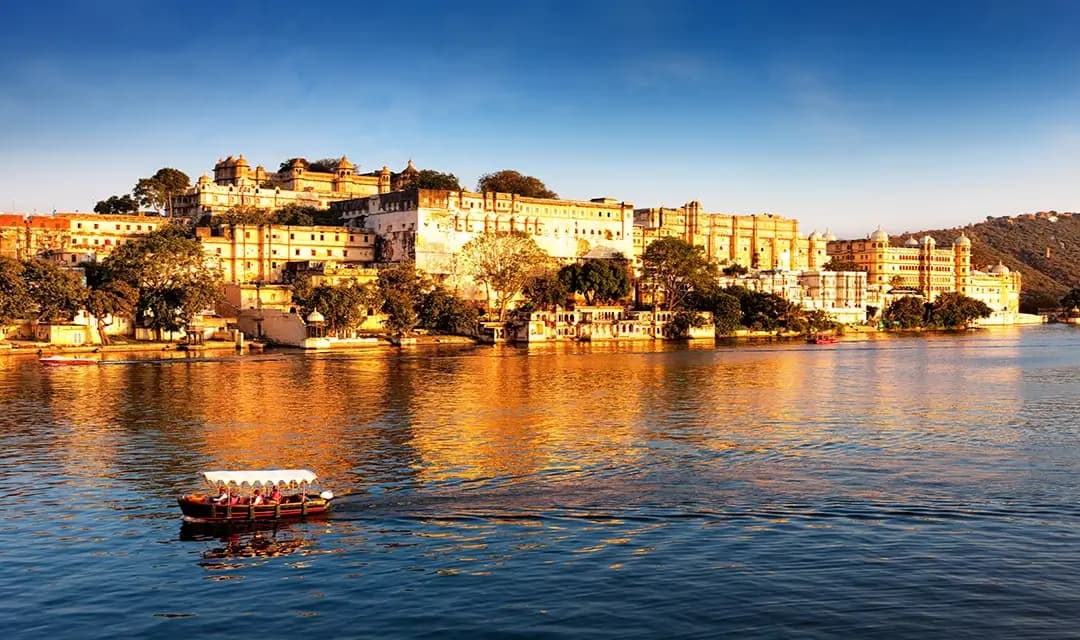
Rambagh in Jaipur belongs to this class. So does Taj Lake Palace, still owned by the House of Mewar and leased to Taj since 1971, floating on four acres in the middle of Lake Pichola.
These palaces are grand, the operation is professional, and the family is not a historical footnote. They own the building, and in most cases still keep some part of it for themselves. This is the tier most well-traveled visitors already know by name, and for good reason.
You don't feel like a guest here. You feel like you've been allowed in.
Tier three: beautiful, and worth knowing what it is
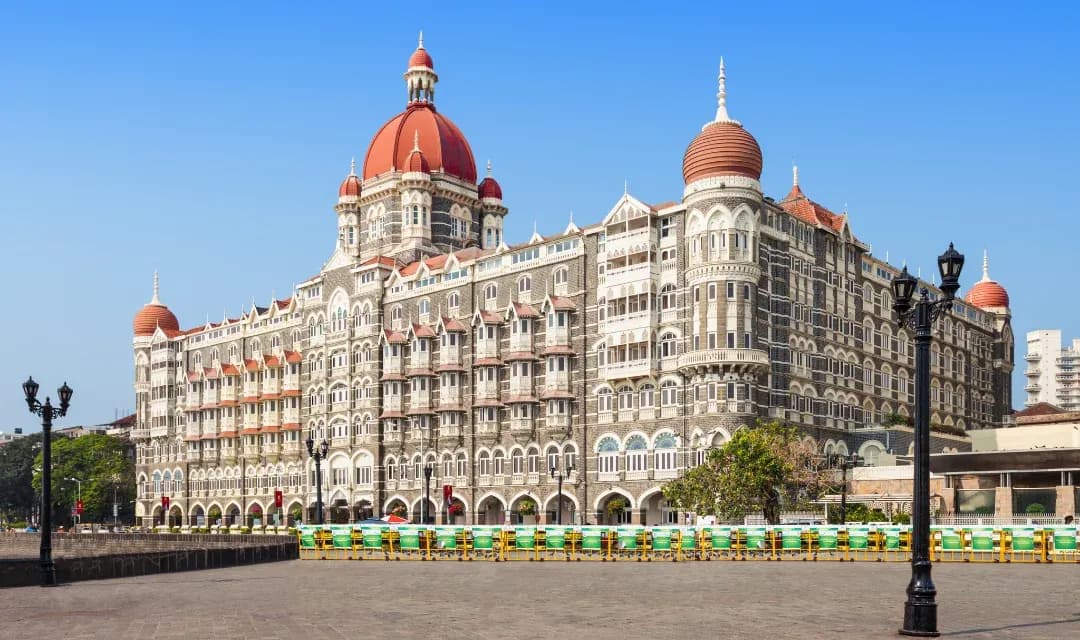
Some palace-styled properties have no living royal connection, either because the family sold on long ago or because the palace look was built fresh, in the spirit of the originals. Many are excellent hotels: well run, handsomely designed, comfortable in every way that matters.
This is just a fact worth knowing before you book, because the marketing for all three tiers tends to look identical. If what you're after is comfort and beautiful design, this tier delivers. If what you're after is the living history, ask before you book, not after you arrive.
If you are planning your first India trip and want a palace itinerary that is actually palaces, just give us a call at +1 844 7707 948 and we’ll help you identify and book the right property based on what you may actually be looking for.
A few practical notes
The palaces that matter don't stay available for long. Ahilya has nineteen rooms. Deogarh Mahal is not much larger. If the tier-one experience is what you want during the cooler months, that decision gets made at the soonest.
One palace is not an itinerary. The best India trips of this kind thread two or three properties into a route: a tier-one stay to arrive at and let the country slow you down, a tier-two palace to sit inside history at scale, and something in between along the way.
Plan this with someone who knows the difference
Our India specialists have actually spent time in most of these properties. We know which family will actually receive you, which suites are worth the difference, and which nights are worth spending where. We build the journey around these nuances.
We don't work off guidebooks. We grew up in this country, and every itinerary we build carries that.
Because in India, where you stay is not just a decision. It determines what the country feels like.
Speak to our specialist at +1 844 7707 948 or write to us at journeys@travelopod.com.
What people ask us
Can I actually stay somewhere a real Indian royal family still lives? Yes. Umaid Bhawan Palace in Jodhpur is the clearest example. Ahilya Fort in Maheshwar and Deogarh Mahal in Rajasthan go further, with the family personally hosting and running the property.
What's the difference between a palace hotel and a heritage hotel in India? Heritage hotel is the broader category, covering havelis (A haveli is a traditional Indian mansion, often ornately carved, built by wealthy merchant or noble families as a private residence), forts, and colonial-era buildings, not only palaces. Within palace hotels, what actually matters is whether the royal family still owns and is present, or whether the property has passed to a hotel group with no ongoing connection.
Why did Indian royal families turn their palaces into hotels? India's princely order was formally abolished in 1971, ending the government stipends that had supported these families since independence. Opening their palaces as hotels became a way to preserve both the buildings and the family's way of life inside them.
How old is the oldest palace hotel in India? Deogarh Mahal dates to 1670. Taj Lake Palace, built between 1743 and 1746 as a summer retreat for the Mewar royal family, has operated as a hotel since 1963.
Are palace hotels in India worth the money, or is it just a themed hotel? It depends on which one. A genuine family-owned or family-connected palace delivers something no conventional luxury hotel can. A property simply styled like a palace, with no living royal connection, is closer to themed decor at a high price point. Knowing which is which before you book is the whole point.
ExclusiveOur Signature Journeys
View All >



Why Choose Travelopod
Travelopod makes every journey seamless, affordable, and unforgettable. Here's why travelers choose us for flights and vacations.
Your Next Adventure Awaits
Meet Our Special Advisors
Our trusted advisors bring decades of expertise to help plan your perfect journey.

Anna
Holiday Expert

Vic
Holiday Expert

Suzane
Holiday Expert
Get Holiday Inspiration & Exclusive Offers
Join our mailing list to receive the latest updates and travel inspiration
We respect your privacy. Unsubscribe at any time.