Varanasi Travel Guide: What to See, When to Visit & Expert Tips


Introduction
In Varanasi, the Ganga flows northwards.
For most of its 2,500 km journey, the river moves west to east. Here, she bends back on itself and flows south to north. Locals will tell you she is “going home to Shiva at Kailash”.
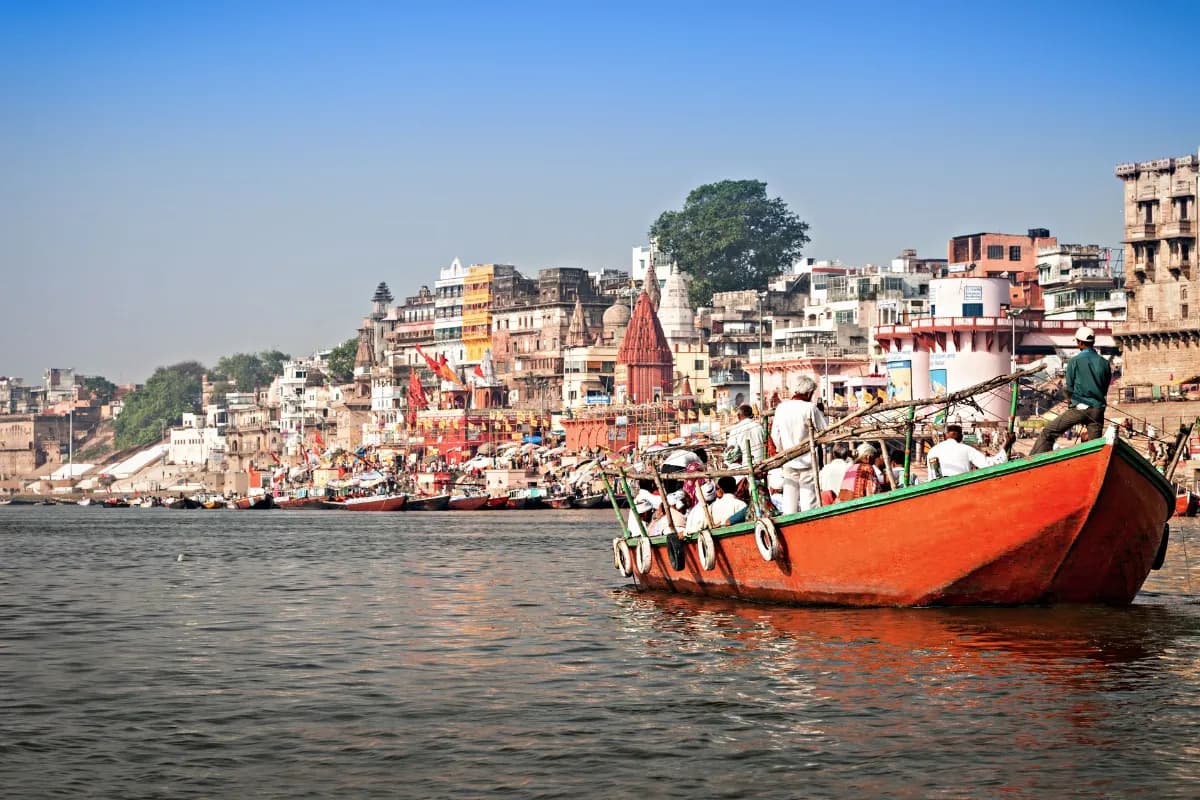
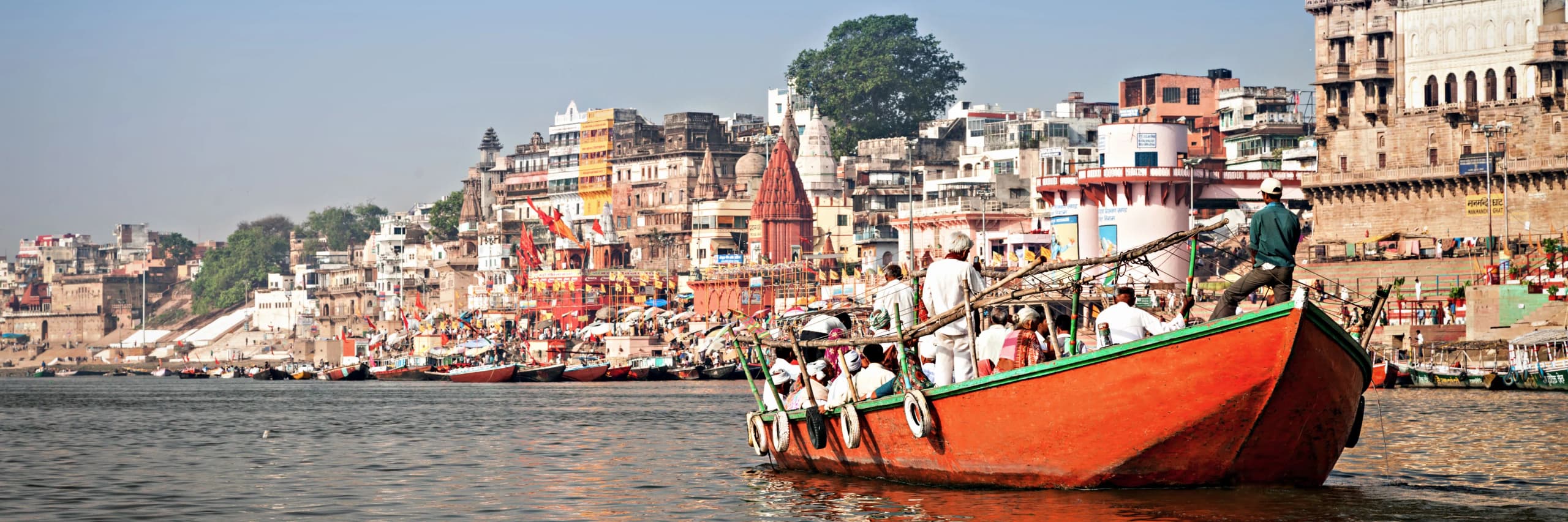
That single fact is the shortest way to explain the city. The river is a Goddess. The city has been continuously inhabited for over 3,000 years. Its 84 ghats have shaped daily life along the river for centuries. Nothing about it is staged. This Varanasi travel guide covers what to see, when to go, and what most first-time visitors get wrong.
Quick Answers: Why Varanasi is worth visiting
- Experience one of the world's oldest continuously inhabited cities, where ancient rituals remain part of everyday life.
- The evening Ganga Aarti at Dashashwamedh Ghat is a nightly ritual, not a performance.
- A sunrise boat ride offers a view of daily life no other river city can match.
- Home to some of North India's finest street food and hand-woven silks.
- Locals call it Benaras. That difference tells you how the city is meant to be experienced.
Destination Snapshot
Best for | Spiritual travelers, culture seekers, first-time India visitors, photographers |
Ideal trip duration | 3 to 4 days |
Best time to visit | October to March |
Nearest airport | Lal Bahadur Shastri International Airport (VNS), 25 km from the ghats |
State | Uttar Pradesh, North India |
Perfect for | Solo travelers, couples, and families looking for cultural immersion |
Looking for the perfect Varanasi itinerary? Here's how to spend 3 to 4 unforgettable days in one of the world's oldest continuously inhabited cities.
Why is Varanasi so special?
Varanasi is one of the few cities where the past never became the past. It was old when the Buddha walked here in the 6th century BCE. Mark Twain visited in 1896 and called it older than history itself. It is still lived in exactly as it was then, with the same lanes, rituals, weavers, and songs.
What sets it apart is that faith here is public. It happens on the steps of the river, in daylight, every morning. You do not need to share the beliefs to feel the weight of it. It is also one of the last cities where craft and art still share the streets. Varanasi has long been a center of Hindustani classical music, Sanskrit learning, and Banarasi silk weaving.
What are the must-have experiences?
Subah-e-Banaras: the morning aarti at Assi Ghat
Start the day with Subah-e-Banaras, a daily program of Vedic chanting, conch shells, and aarti as the sun rises over the Ganga, followed by yoga and classical morning ragas. Quieter and more intimate than the evening ceremony, it begins around 5 to 5:30 AM depending on season.
Insider tip: arrive early for a good seat. If you're lucky, the pujari may invite you to light the lamp and start the aarti yourself.
The sunrise boat ride on the Ganga
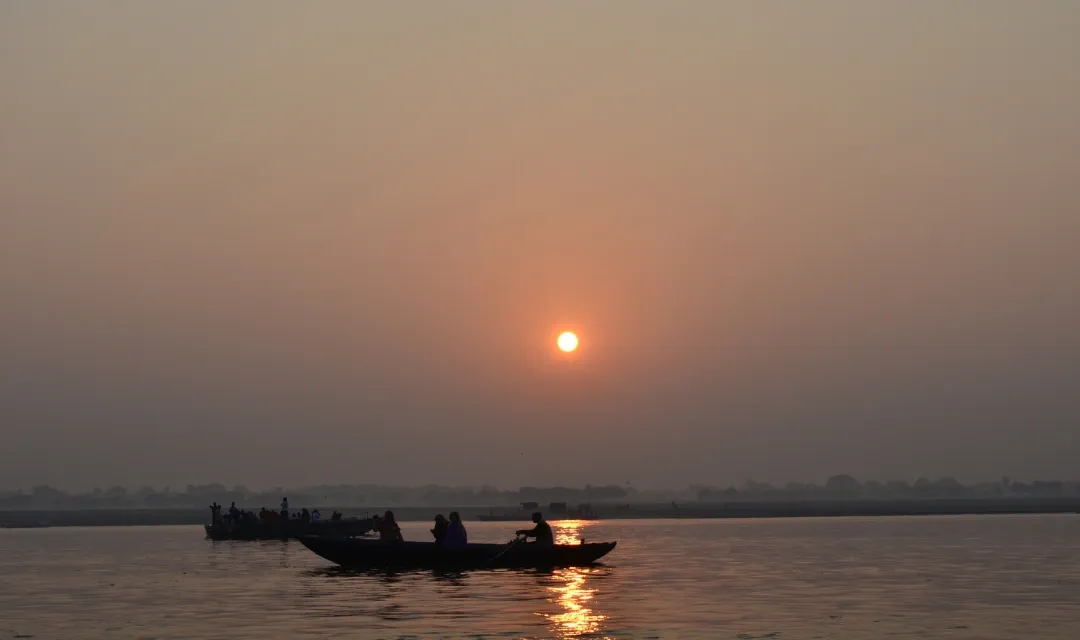
Leave your hotel in the dark, take a small wooden boat from Assi Ghat, and drift north as the sun rises behind you. The ghats light up one by one. Bathers descend the stone steps into the river. Priests begin their morning rituals. Marigold offerings drift past on the current.
Insider tip: go with a boatman who does not narrate the whole time. The silence is part of the point.
Walking the ghats
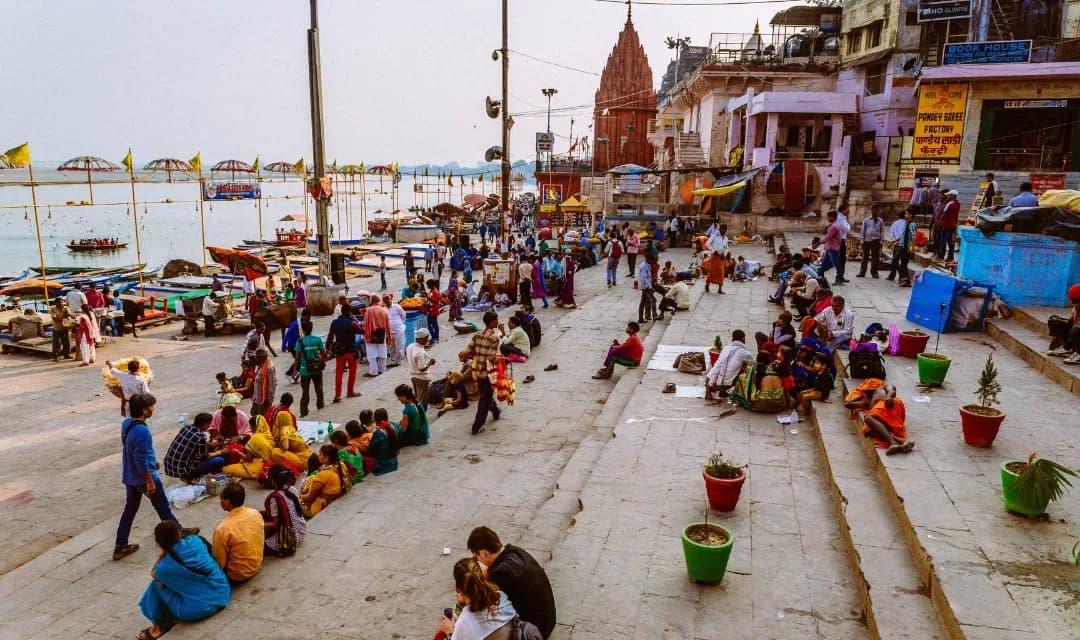
Eighty-four ghats, no two the same. Assi Ghat is where students and morning walkers gather. Manikarnika and Harishchandra are the two cremation ghats. Give yourself a full morning to explore the ghats at your own pace.
Insider tip: do this with a local historian who has walked these steps for decades, not a general city guide. It changes what you see.
The evening Ganga Aarti at Dashashwamedh Ghat
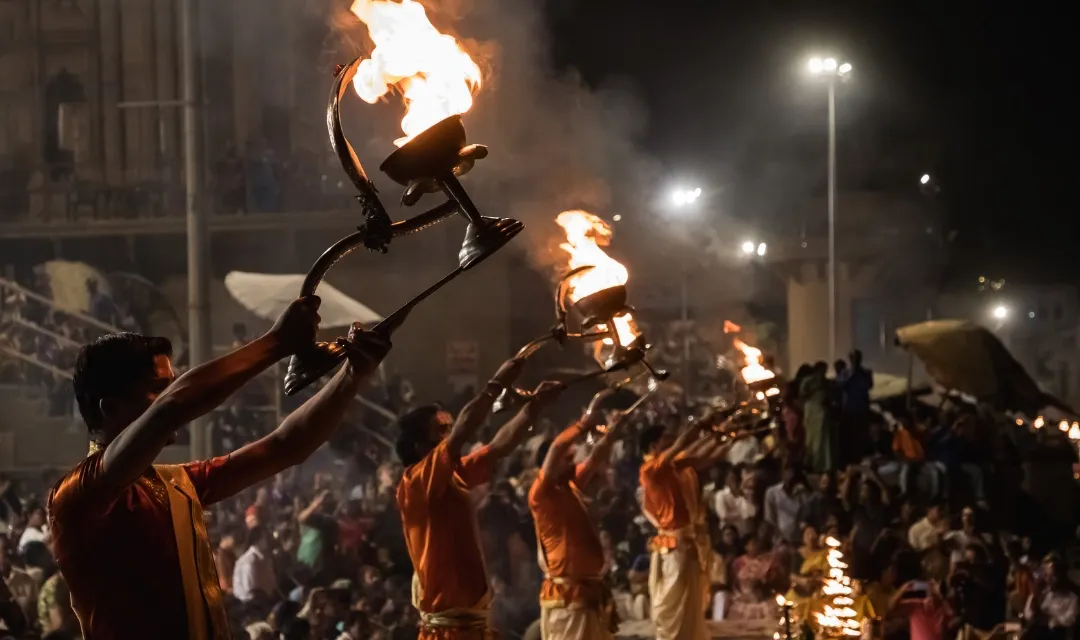
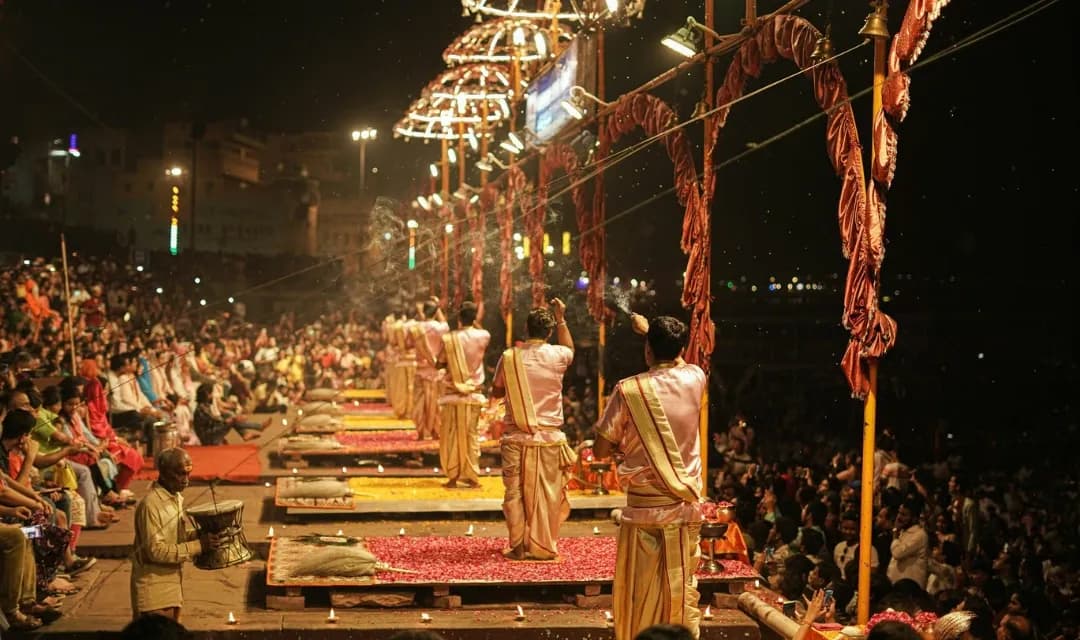
Every night, seven priests perform a synchronized aarti to the river using multi-tiered brass lamps, conch shells, incense, and chants. It is not something you watch. It is something you feel.
Insider tip: the boat view is the calmest option. Arrive at least an hour early no matter which you choose.
Kashi Vishwanath Temple
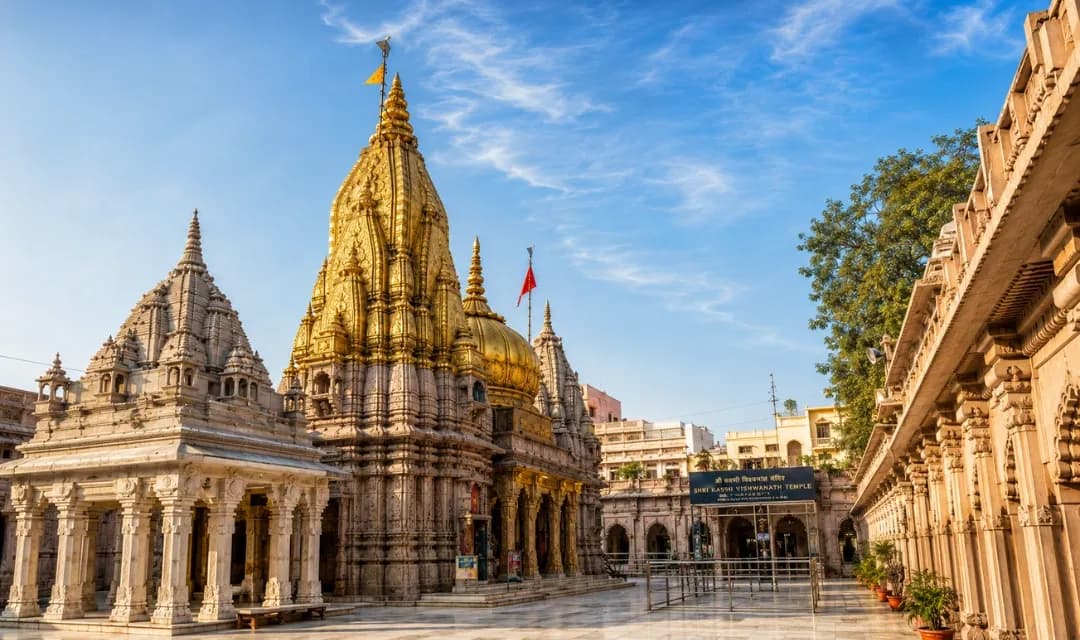
One of the twelve Jyotirlingas and the spiritual heart of the city. Since the 2021 Corridor project, the complex is far more organized than it used to be. Access rules and timings change often, so check current guidelines before your visit.
Insider tip: go early morning or late evening to avoid the longest queues. Weekdays are calmer than weekends.
The old city and its food
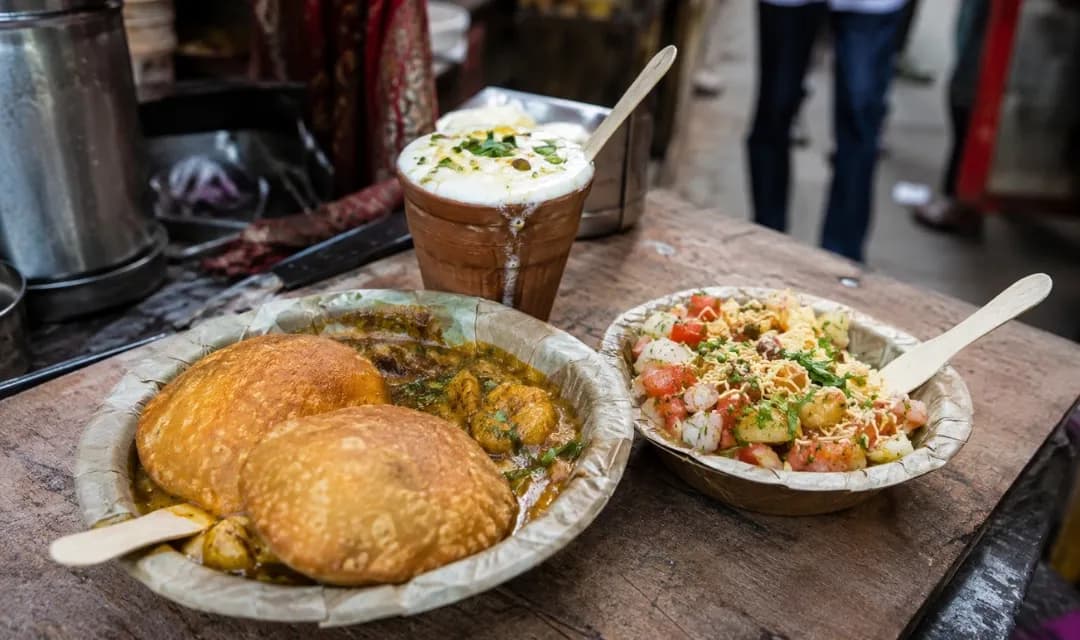
The lanes behind the ghats are where the food lives. Kachori sabzi for breakfast. Tamatar chaat in the afternoon. Malaiyo, a saffron-scented winter dessert made from milk foam, between November and February. Thick Banarasi lassi topped with malai, fruit, and nuts. Banarasi paan to finish.
Insider tip: eat where the queue is long and the food is hot. Skip anything with tap water or ice you did not see made.
Banarasi silk
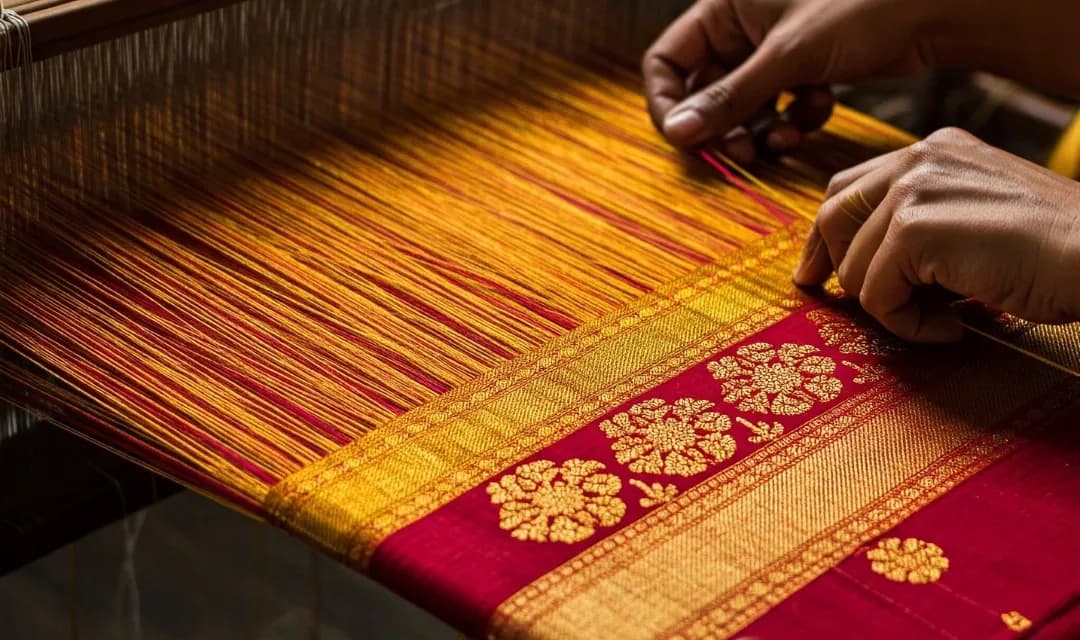
Skip general tourist markets. Ask your hotel to introduce you to a weaver's family workshop. A genuine hand-woven Banarasi silk saree with real zari costs more than mass-market versions in Delhi or Mumbai, but you are buying a piece of textile history protected by a Geographical Indication (GI) tag.
Insider tip: real Banarasi silk has a soft rustle and small imperfections in the weave. Machine-made replicas do not.
Planning your Varanasi trip
Varanasi rewards preparation. Where to watch the aarti from, how early to arrive at Kashi Vishwanath, which lanes to walk and when, whether to time your trip around Dev Deepawali. These are details a good guide gets right and a rushed itinerary gets wrong.
Our India specialists have walked this city and can help you sequence it properly, from hotels and local guides to the introductions that make the difference. Call us at +1 844 770 7948 or write to us at vacations@travelopod.com and we'll help you plan a trip that gets the most out of Varanasi.
When is the best time to visit Varanasi?
October to March is the answer for most travelers. Winters are cool and dry, with daytime temperatures between 15 and 25 degrees Celsius. Mornings can be foggy, which actually adds to the boat rides.
Dev Deepawali, on the full moon of Kartik month (November), is the single most beautiful night in Varanasi. Every ghat is lit with over a million diyas. If you can time your trip to this, do it. Book six months ahead.
Mahashivratri (February or March) and Holi are the other big moments in the city's calendar.
April to June is very hot, with temperatures crossing 40 degrees Celsius. Not recommended.
July to September is monsoon. The river rises dramatically, boat rides are often suspended, and the lower ghats can be underwater. Atmospheric, but not the easiest first trip.
Before You Go
- Dress modestly.
- Wear comfortable walking shoes.
- Carry cash for small purchases, though UPI works in most places now.
- Avoid photographing cremation ghats.
- Start your day early.
Common myths vs. reality
Myth: Varanasi is only for Hindu pilgrims. Reality: It is one of the most religiously plural cities in India. Major Buddhist site because of Sarnath. Significant Muslim population, particularly among the silk weavers. Jains, Sikhs, Christians all have a presence. You do not need to be religious to find it moving.
Myth: Varanasi is dirty. Reality: Parts of the old city are busy and chaotic, but the experience is far richer than first impressions suggest. Early mornings on the ghats, restored heritage areas, and time spent with knowledgeable local guides reveal a very different side of the city.
Myth: It is too crowded and chaotic to enjoy. Reality: The old city lanes are dense. The ghats themselves are wide, walkable, and often calm outside of aarti times. Early mornings on the river are among the most peaceful few hours you can spend anywhere in India. A good guide who knows when to take which lane changes the experience completely.
Myth: The cremation ghats are disturbing. Reality: They are confronting, which is different. In Hindu belief, being cremated at Manikarnika liberates the soul from the cycle of rebirth. Families travel across India to bring a loved one here. It is one of the most direct encounters with mortality a traveler can have. Approach with respect. Do not photograph.
People Also Ask
How many days do I need in Varanasi? Three to four days is the sweet spot including Sarnath.
Is Varanasi worth visiting if I'm not religious? Yes, and often more so. Some of the most moved visitors we have planned trips for are those with no religious background at all. The history, architecture, music, food, and sheer density of daily life on the ghats fill days easily. You are not there to pray. You are there to witness a city that has been lived in without a break for 3,000 years.
Is Varanasi safe for solo female travelers? Yes, with normal urban precautions. Dress modestly, avoid the ghats alone after dark, use pre-booked transport, and stay in a well-reviewed hotel near the ghats.
What should I wear in Varanasi? Modest, comfortable clothing that covers shoulders and knees, especially at temples and during aarti. A warm layer for winter sunrises. Slip-on shoes are practical because you will remove them often.
How do I reach Varanasi? Lal Bahadur Shastri International Airport (VNS) is 25 km from the ghats. Direct flights connect most major Indian cities, with international routing via Delhi, Mumbai, and Bangkok.
What is the best area to stay in? Assi Ghat area for a calmer, more residential feel. Near Dashashwamedh Ghat to be at the center of everything. Cantonment area for larger hotels with more amenities.
Travelopod Expert Insight
Everyone tells you to do the sunrise boat ride and the evening aarti. Both are worth doing. But Varanasi adds greatly if you plan the afternoons well.
Our specialists build in a slow afternoon on the ghats with a local historian who has walked these steps for 30 years. A visit to a Banarasi weaver's home workshop where you see a saree in progress on the loom. A private classical music sitting at a musician's home in the old city, sometimes with two generations of the family performing together.
None of this is on TripAdvisor. All of it is the reason people come back and call it Benaras when they do.
Continue your journey beyond Varanasi
If you're already traveling to Varanasi, it's worth extending your journey to explore some of North India's most significant spiritual and cultural destinations.
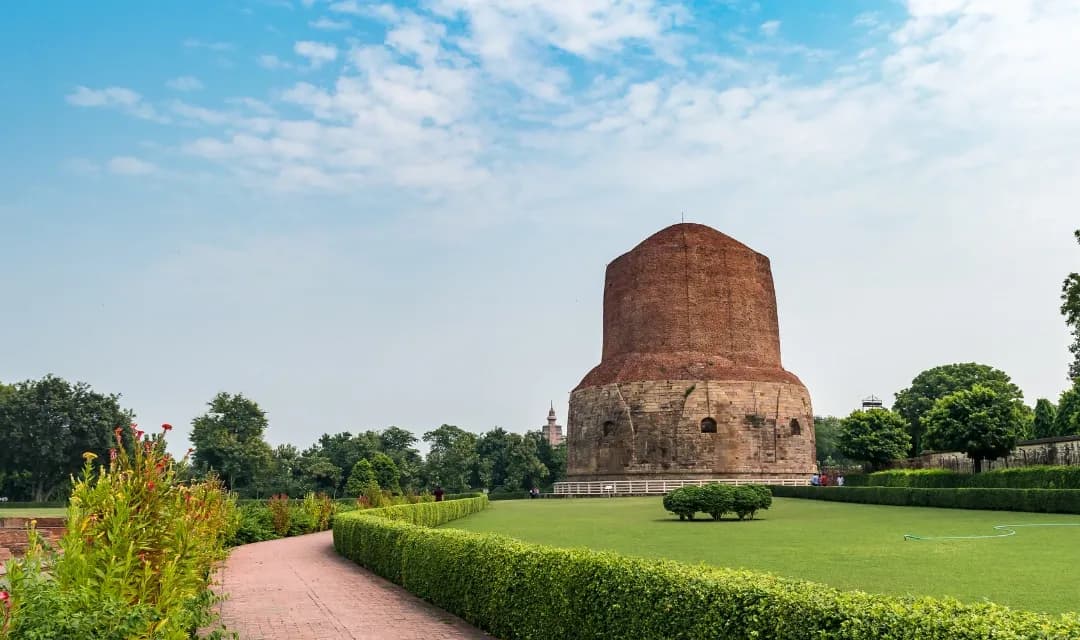
Sarnath is a 40-minute drive from the ghats and the place where the Buddha delivered his first sermon after enlightenment. The Dhamek Stupa, the ruins of the ancient monastery, and the archaeological museum together make a half day that pairs beautifully with the intensity of central Varanasi. India's national emblem, the four lions atop the Ashoka Pillar, was found here and is displayed in the site museum.
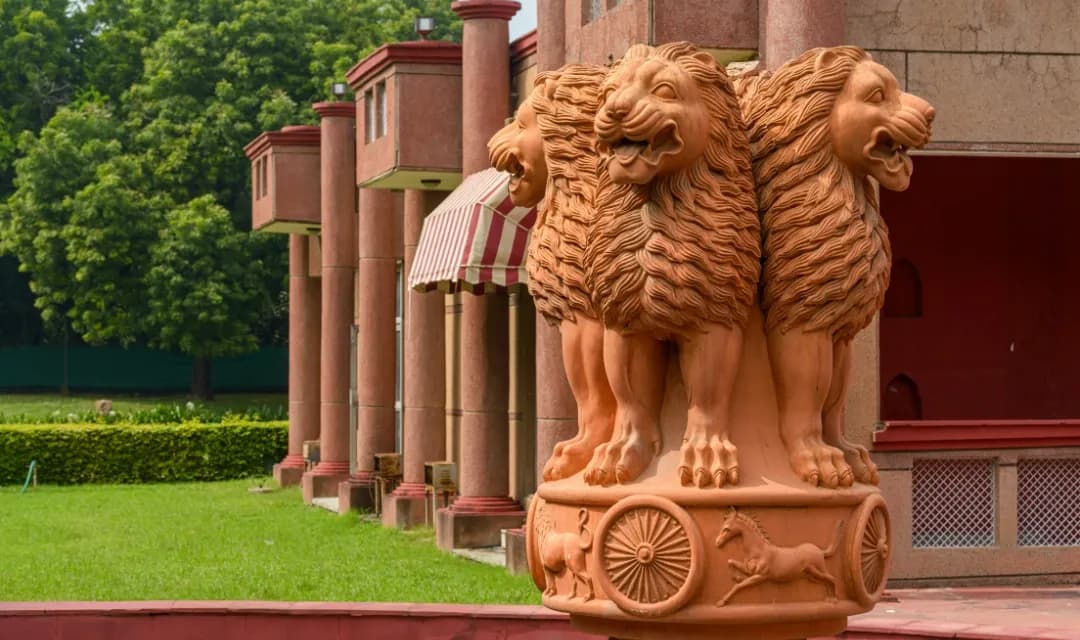
Prayagraj, formerly Allahabad, is a two-hour drive west and home to the Triveni Sangam, where the Ganga, Yamuna, and mythical Saraswati meet. It is one of India's four Kumbh Mela sites.
Ayodhya is a five-hour drive from Varanasi. The birthplace of Lord Ram has become one of India's most visited pilgrimage cities since the Ram Mandir opened in 2024. Seeing it now is history in the making.
Reach out at +1 844 770 7948 or write to us at vacations@travelopod.com and we will build a seamless itinerary that brings these destinations together.
In closing
Varanasi is not an easy city, and it is not trying to be. It is dense, ancient, alive, and unlike anywhere else. Come with time, curiosity, and the right local expertise, and you'll leave understanding why so many people stop calling it Varanasi and start calling it Benaras.
ExclusiveOur Signature Journeys
View All >



Why Choose Travelopod
Travelopod makes every journey seamless, affordable, and unforgettable. Here's why travelers choose us for flights and vacations.
Your Next Adventure Awaits


Meet Our Special Advisors
Our trusted advisors bring decades of expertise to help plan your perfect journey.

Anna
Holiday Expert

Vic
Holiday Expert

Suzane
Holiday Expert
Get Holiday Inspiration & Exclusive Offers
Join our mailing list to receive the latest updates and travel inspiration
We respect your privacy. Unsubscribe at any time.