What Makes the Galápagos Islands So Special?
(And Why You Should Go)


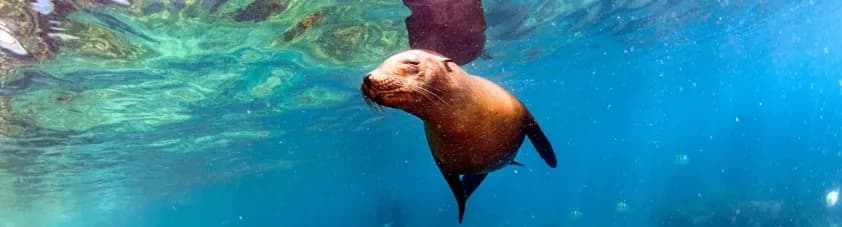
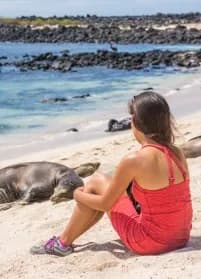
A sea lion pup investigates your snorkel fins. A marine iguana sprawls across the trail, unbothered, as if humans are simply background noise it learned to filter out centuries ago. A giant tortoise, 150 years old, maybe more, moves through volcanic scrub with the indifference of something that has outlasted empires.
The Galápagos Islands don't compete with the Maldives. Or safari. Or anywhere, really. They exist in a category so specific it doesn't have a name. Except, perhaps, the only place on earth where wildlife never learned to be afraid of us.
What Makes the Galápagos Islands So Unique?
Six hundred miles off the coast of Ecuador, the Galápagos sit in a stretch of Pacific Ocean remote enough that the species here evolved in near-total isolation. No natural predators for millions of years. No reason to fear anything, including humans.
Ecuador declared the islands a national park in 1959. Today, nearly 97% of the land is protected. Tourist numbers are capped. Routes are fixed. Every visitor must be accompanied by a certified naturalist guide. The ecosystem is preserved through strict control of tourism.
Darwin arrived in 1835 and found animals that didn't run from him. That detail — so simple it's easy to miss — broke the science of his time. Species here evolved with no land predators, so fear was never useful, and over millions of years, it simply disappeared. What he was seeing wasn't tameness. It was natural selection, visible and alive. That's still true today. When a sea lion holds your gaze or a booby steps around your feet without breaking stride, you're not witnessing friendliness. You're watching evolution in real time.
Wildlife Encounters You Won't Find Anywhere Else
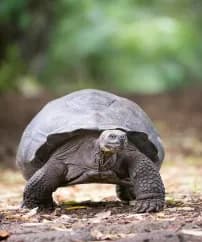
Giant Tortoises They can live over 100 years and weigh up to 500 pounds. On Santa Cruz Island, they move freely through the highlands. No fences, no viewing platforms. You walk among them. They don't acknowledge you. That's the point.
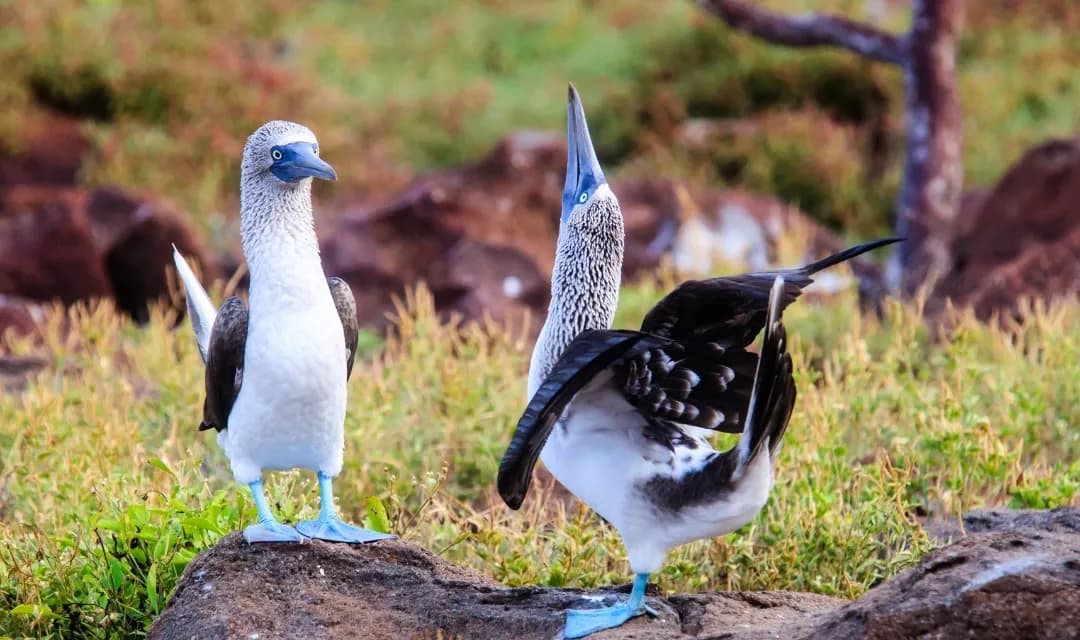
Blue-Footed Boobies The courtship dance happens three feet from the trail. Feet lifted high, wings spread, complete absorption in ritual. They don't stop for photographs. They've simply never registered humans as a threat, and 10,000 years of evolution hasn't given them a reason to recalibrate.
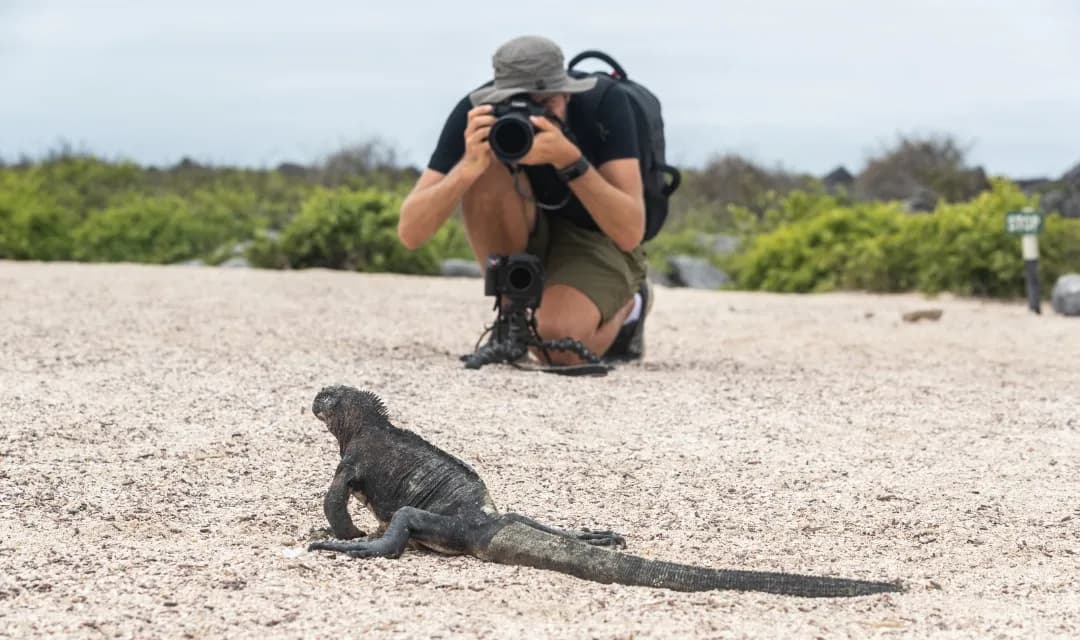
Marine Iguanas The only ocean-going lizard on the planet. They dive into the Pacific to feed on algae, then haul themselves onto black volcanic rock in prehistoric stacks and ignore the world entirely. They sneeze salt. They treat tourists with magnificent disregard.
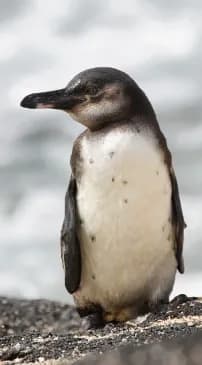
Galápagos Penguins The only penguins in the world that live on the equator — kept here by the cold Humboldt Current, defying every assumption about where a penguin belongs. You can snorkel alongside them.
Why It Feels Like Stepping Into a Different World
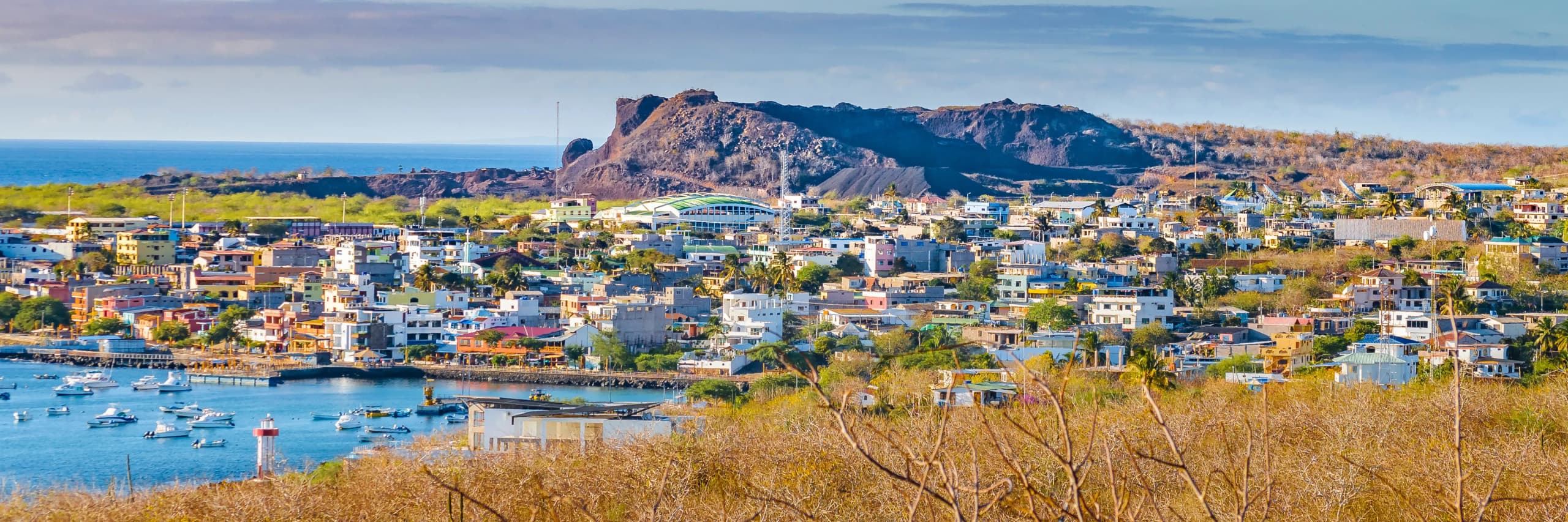
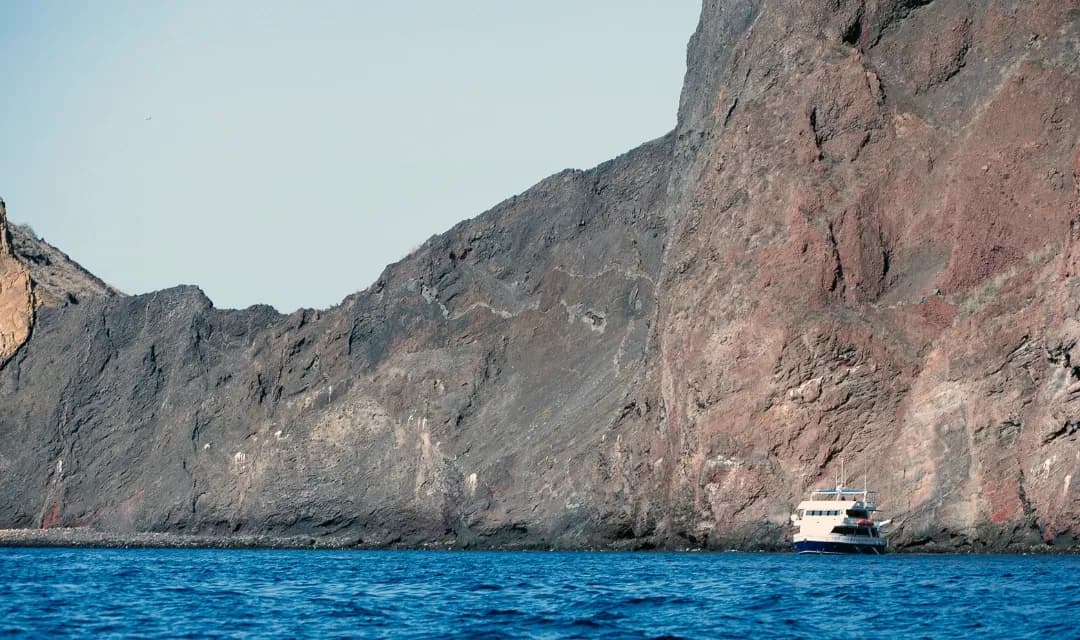
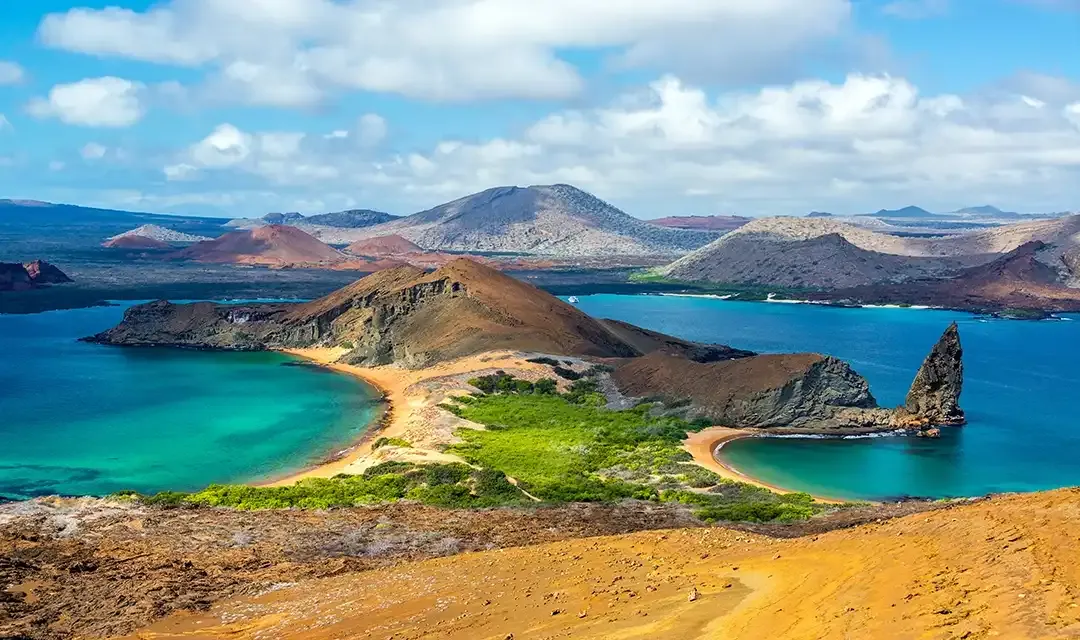
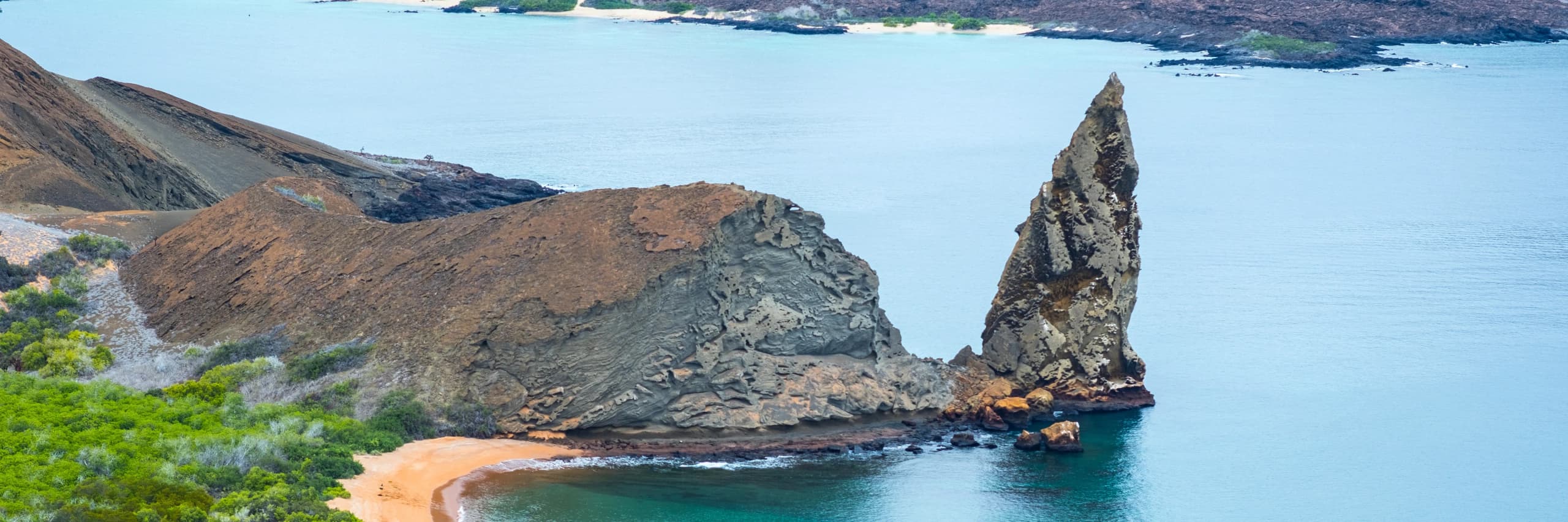
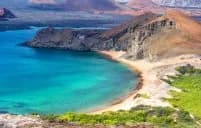
There are no cities on the Galápagos. No traffic. The inhabited islands are small towns at most, reached by panga boat (a small inflatable dinghy used for shore landings) and explored on foot. What replaces the infrastructure of a resort destination: raw volcanic landscapes. Red-sand beaches. Lava fields that look like they cooled last week. Mangrove lagoons where sea turtles feed undisturbed. Silence deep enough that you notice it.
This is the distinction that matters: a safari gives you wildlife. The Maldives gives you water. The Galápagos gives you something closer to watching the natural world operate exactly as it would if you weren't there.
If this is on your list, it's worth understanding how it works. Talk to our travel specialists and ask any questions you may have. No pressure. Just a conversation. Call +1-844-354-4809.
When Is the Best Time to Visit the Galápagos?
The islands run on two seasons.
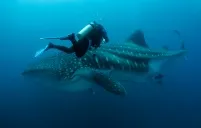
December through May is warm and wet — calmer seas, lush green landscapes, newborn sea lions and marine iguanas, peak snorkeling season. Whale sharks are here.
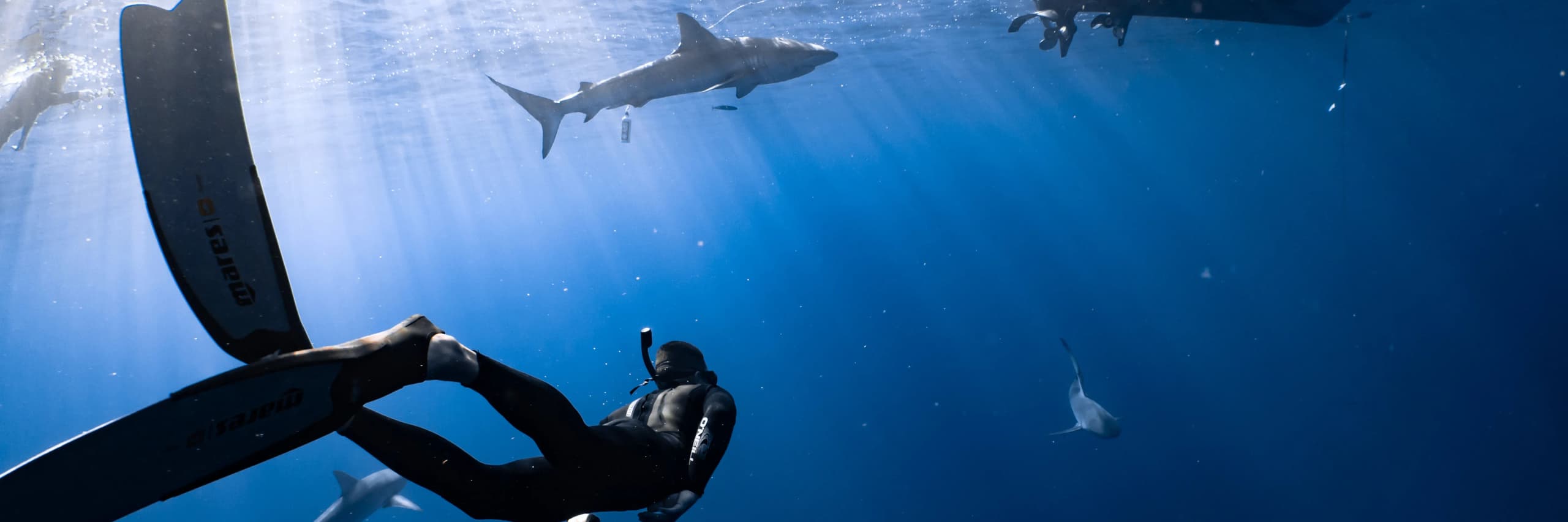
June through November is cooler and drier, driven by the Humboldt Current. The water gets colder and richer, which means more marine life density — hammerhead sharks, penguins in peak activity, blue-footed boobies in full nesting season. Seas are rougher, particularly July through September.
The honest answer: both seasons are exceptional. Given how quickly availability closes given the limited ships and capped permits, the better question is when can you go, not which season is ideal.
Is the Galápagos Worth the Cost?
It's not cheap. And that's deliberate. Access here is intentionally restricted and that restriction is what preserves the experience.
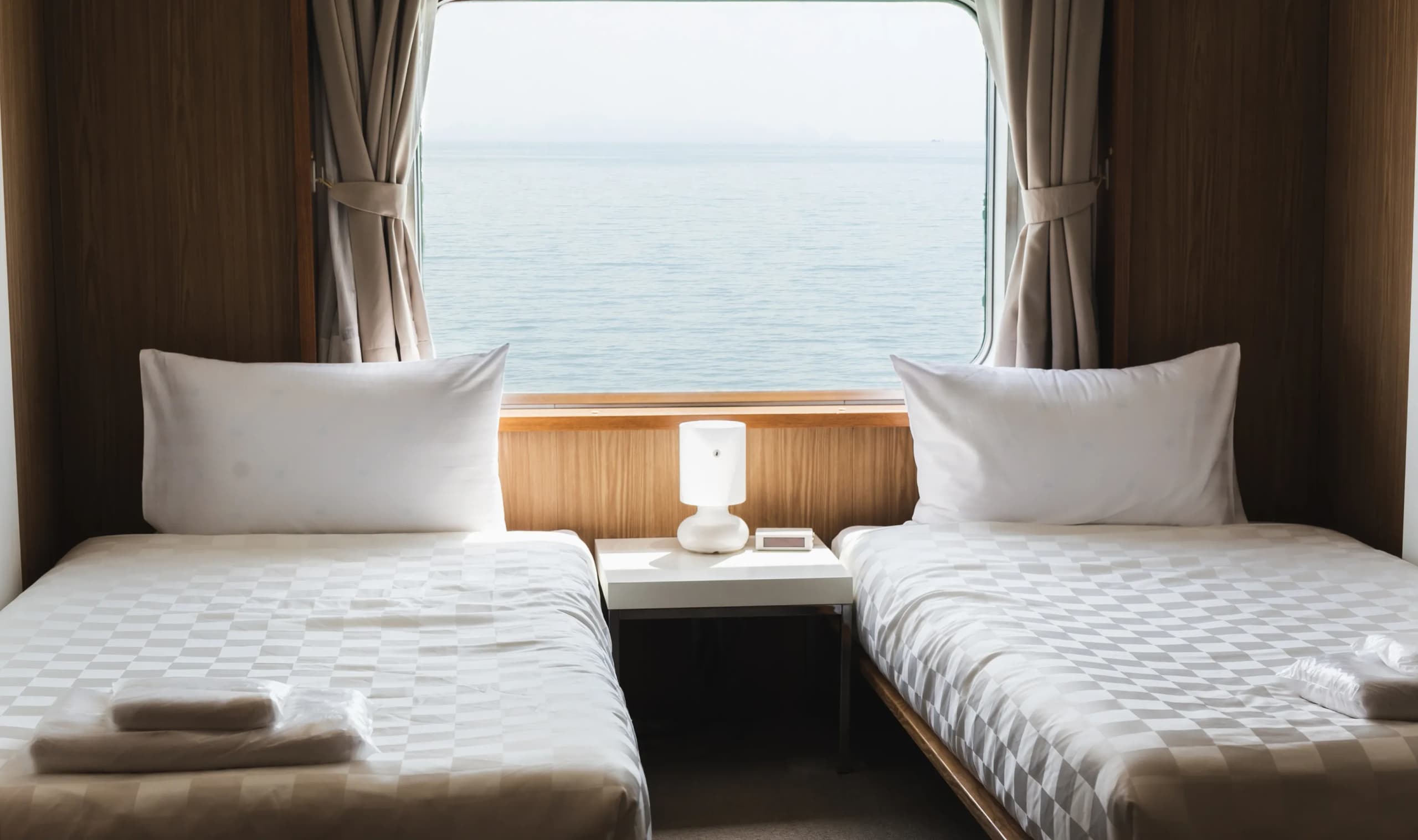
Ecuador controls access precisely to protect the ecosystem. Ships operating in the Galápagos carry far fewer passengers than standard cruise ships, per National Park regulation, which keeps landing groups small and wildlife disturbance minimal. That controlled access is built into the price. Naturalist guides are mandatory. The national park entrance fee is $200 per person (increased from $100 in 2024). These aren't arbitrary charges; they are the mechanism that keeps the Galápagos intact.
What this means in practice: a Galápagos trip isn't priced like a vacation. It's priced like access to something irreplaceable. It's like nowhere else on earth. For most people who make the trip, the answer comes back the same: they wish they'd gone sooner.
The Galápagos is the only destination where I've seen guests go completely quiet — not from exhaustion, but from the weight of what they're looking at." – Ritu Panesar, Founder, Travelopod
Thinking about the Galápagos? Read our planning guide for more details. You can also check our current open itineraries.
People Also Ask About the Galápagos Islands
Is the Galápagos safe to visit? Yes — it's among the safest destinations in Latin America. Crime rates are very low. The more relevant concern is sea conditions between islands; motion sickness is common on panga transfers. Come prepared.
How much does a Galápagos trip cost? Cost depends on the operator, the ship, the itinerary length, and how much is bundled in. Land-based options exist at lower price points, though with fewer wildlife access zones. For a more detailed breakdown of what to expect, see our booking guide.
How many days do you need in the Galápagos? Five nights is the minimum for a meaningful trip. Eight nights is the sweet spot. This is usually enough to cover multiple islands and wildlife zones without the itinerary feeling compressed.
Do you need a cruise to see the Galápagos? No, but a small-ship cruise accesses significantly more wildlife sites than land-based day tours. For first-time visitors, it's typically the highest-value way to experience the islands.
Can you visit the Galápagos independently? Partially. You can fly in, stay on inhabited islands, and join day tours. But certified naturalist guides are required at all visitor sites — unaccompanied exploration isn't permitted.
Getting There Isn't Simple
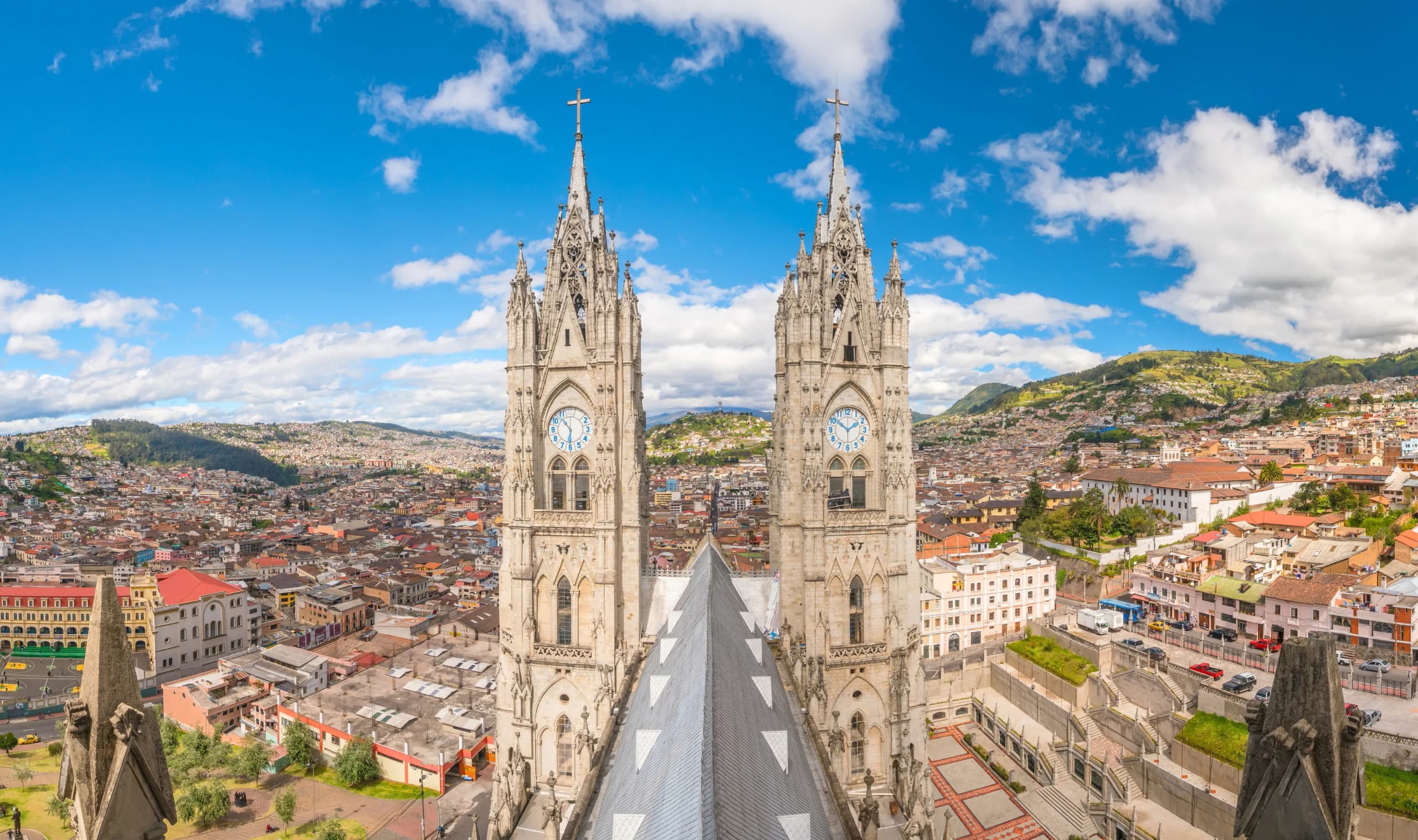
There are no direct flights to the Galápagos from the US. Access routes through Quito or Guayaquil. Permits are required.
Which means planning here carries more weight than it does for most destinations. When you're ready to move from wanting to go to knowing how to go, start with the planning guide. Or speak directly with our travel specialists who've built these itineraries before. You can reach them at +1-844-354-4809 or write to us at vacations@travelopod.com.
ExclusiveOur Signature Journeys
View All >

Why Choose Travelopod
Travelopod makes every journey seamless, affordable, and unforgettable. Here's why travelers choose us for flights and vacations.
Your Next Adventure Awaits
Meet Our Special Advisors
Our trusted advisors bring decades of expertise to help plan your perfect journey.

Anna
Holiday Expert

Vic
Holiday Expert

Suzane
Holiday Expert
Get Holiday Inspiration & Exclusive Offers
Join our mailing list to receive the latest updates and travel inspiration
We respect your privacy. Unsubscribe at any time.