Expedition
Why French Polynesia Should Be Your Once-in-a-Lifetime Island Escape
(Not Just Bora Bora)


Quick Answer: French Polynesia is a collection of 118 islands in the South Pacific, positioned in the middle of the Pacific Ocean further from any major continent than almost anywhere else on the planet. It is not one destination. It is an entire ocean world spanning five distinct island groups. This guide is for travelers who have seen the images and wondered whether it is actually worth the distance, the planning, and the cost. It is. But only if you go in knowing what it really is.
Maldives is calm. Bali is busy. French Polynesia is something else entirely.
It is not a beach holiday. It is not even a conventional luxury escape. IIt is an experience built around remoteness, raw natural drama, and a version of the world that most people only ever see in photographs. The kind of trip you plan well in advance, approach with intention, and remember for a lifetime. Which is why, once done right, it resets what you expect from a holiday.
This is not a destination for the traveler who wants easy. It is for the one who wants rare.
What Actually Makes French Polynesia Different
Most island destinations are variations on a theme. French Polynesia is not.
It sits in the middle of the South Pacific, one of the most isolated stretches of ocean on the planet. The nearest major landmass is thousands of miles away in every direction. That isolation is not a drawback. It is the entire point.
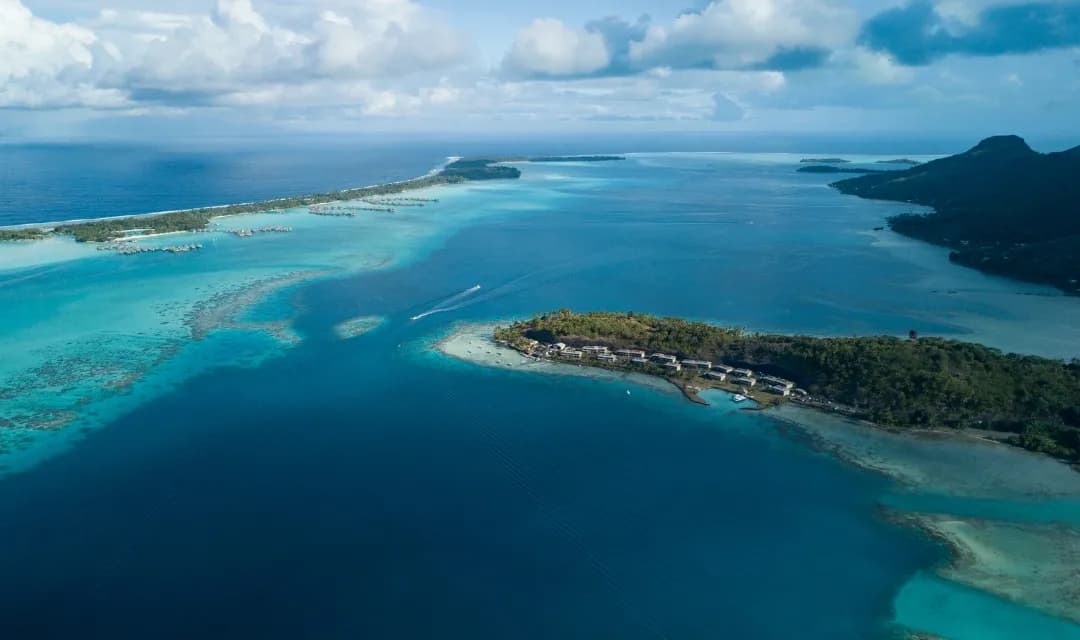
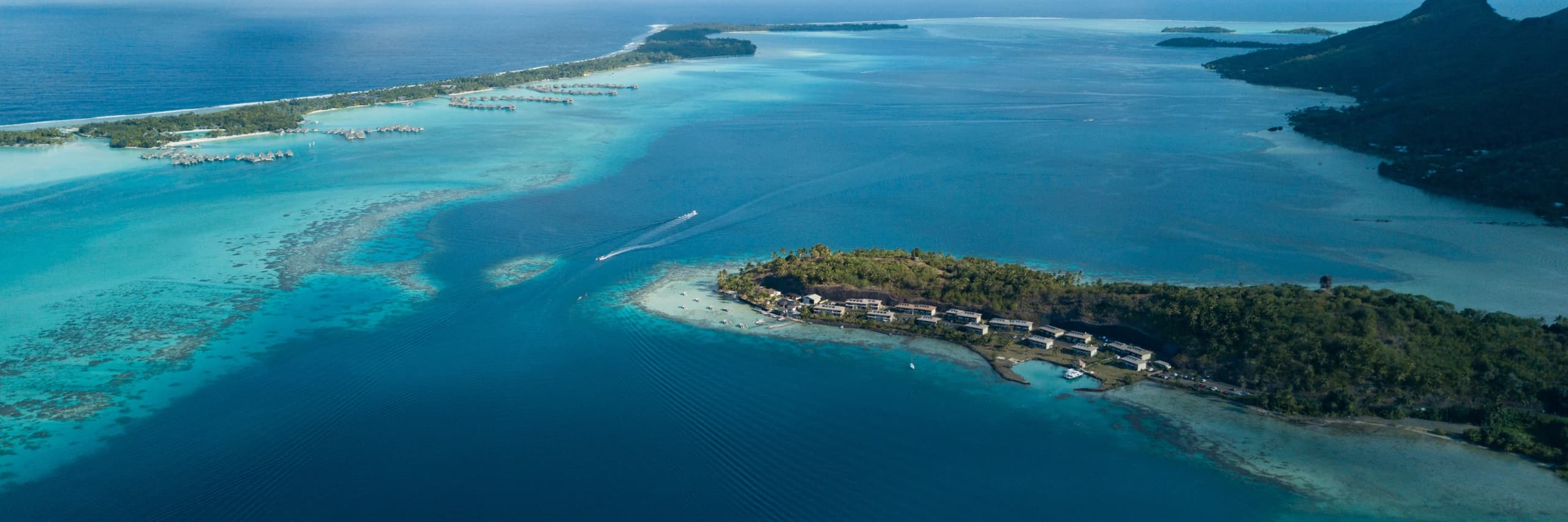
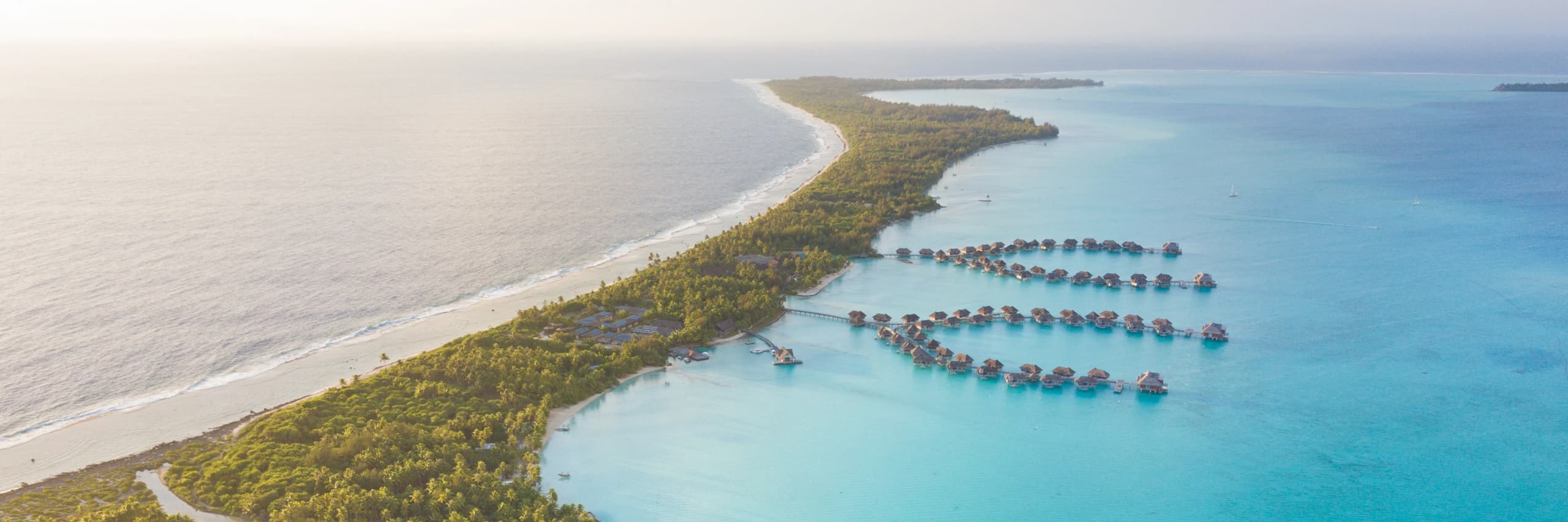
The 118 islands here are spread across an area roughly the size of Western Europe. Some are volcanic, with dramatic peaks rising sharply from the ocean floor. Others are flat coral atolls, barely above sea level, surrounding lagoons. The geography alone is unlike anything in the Indian Ocean or Southeast Asia.
French Polynesia is South Pacific luxury travel in a category of its own.
And no, it is not Bora Bora. Bora Bora is just one island, in one island group, within a destination that has four others worth knowing.
What You Have Seen in Photos, And What Is Actually There
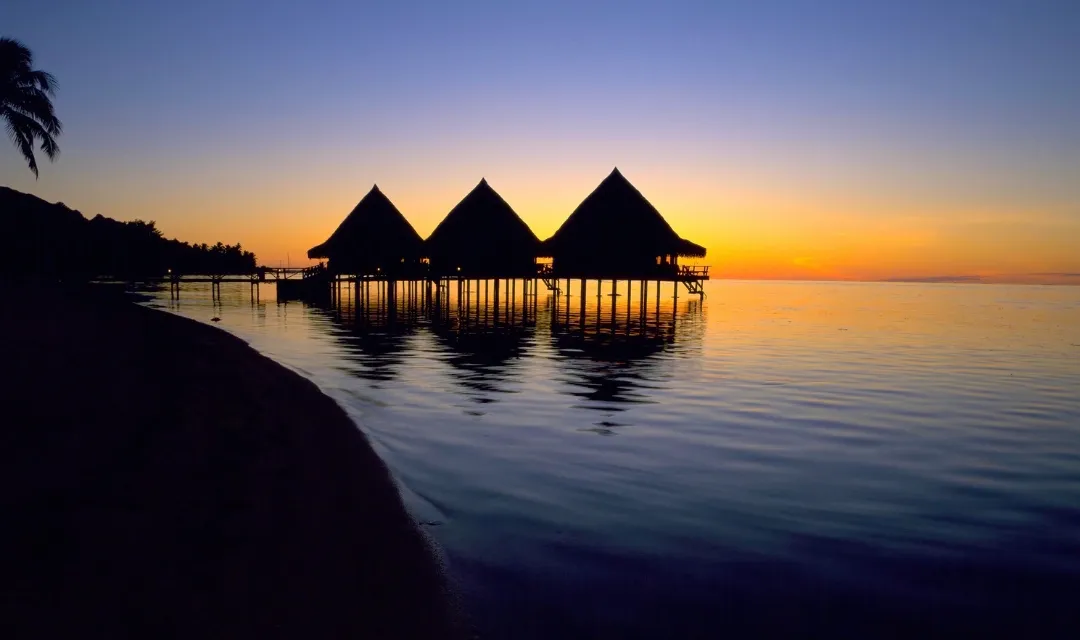
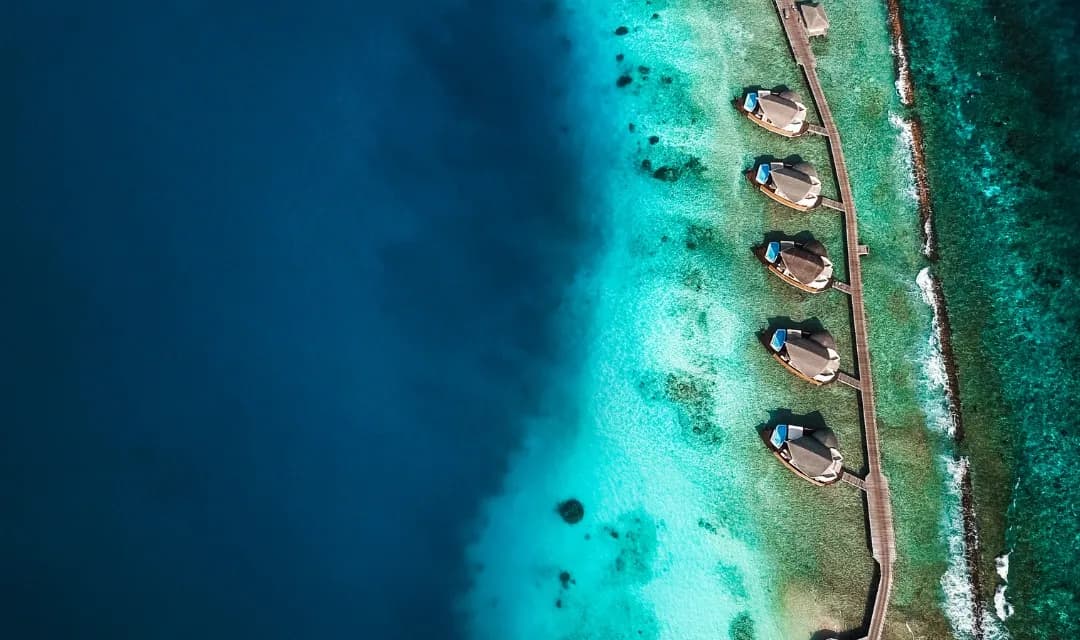
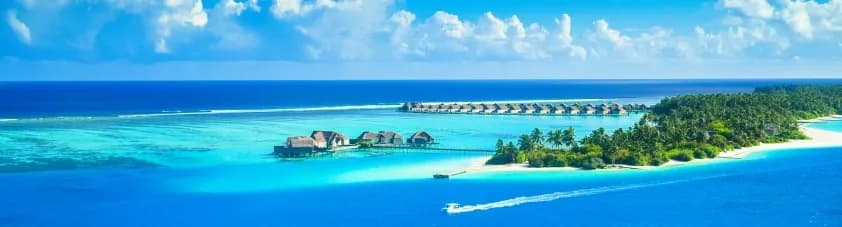
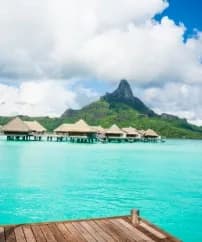
You have seen the images. Overwater bungalows. A lagoon that looks like liquid glass. A couple having breakfast on a private deck with the ocean directly beneath them.
That is real. Those overwater villas exist, and they are as extraordinary in person as they look in every photograph.
But French Polynesia is not only that image.
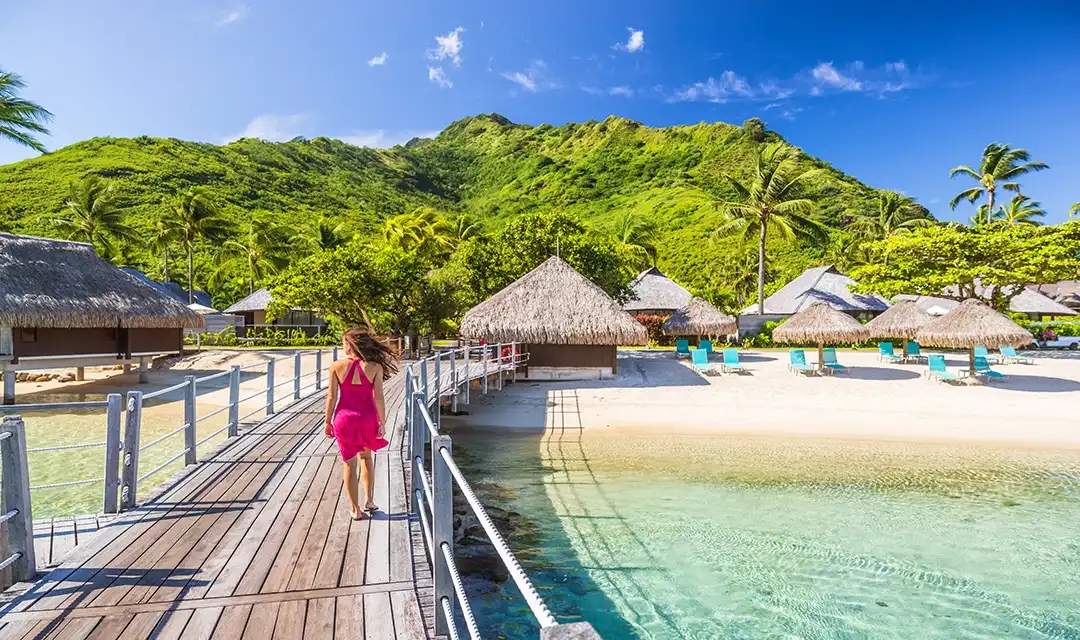
There are black sand beaches on Tahiti, volcanic and dramatic, entirely unlike anything else you may have experienced – Mauritius, Seychelles. There are lagoons where you wade into shallow water and find yourself surrounded by blacktip reef sharks and stingrays that pay no attention to you whatsoever. There are mountains on Moorea and Tahiti, real mountains covered in deep green, rising directly from the sea.
This is not a flat island holiday. The landscape has texture, drama, and depth.
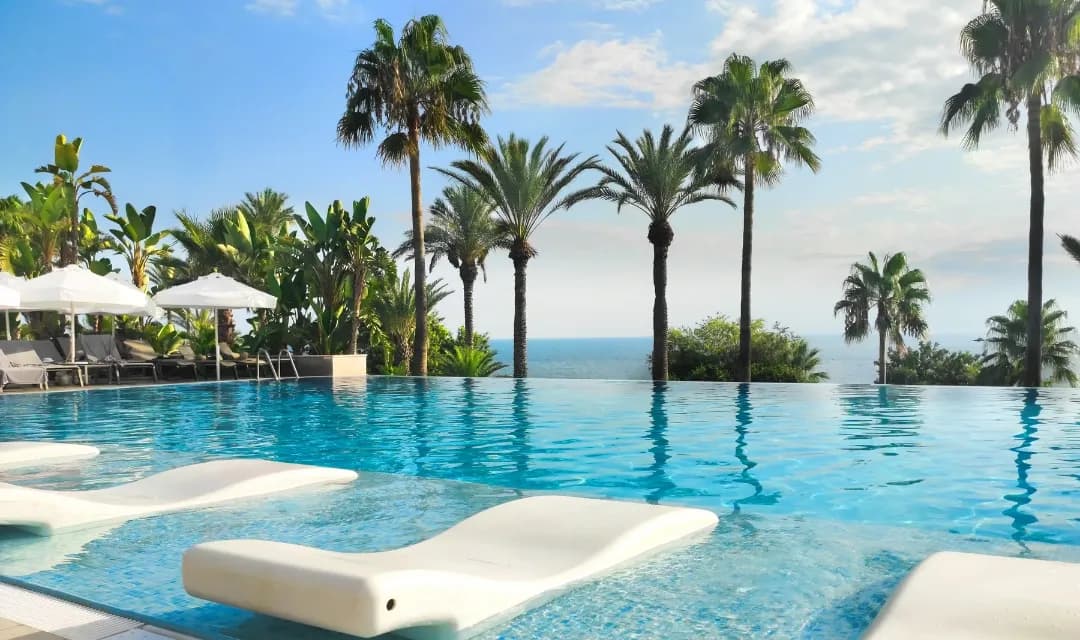
The Islands That Matter Most
French Polynesia spans five island groups. For most travelers, the Society Islands are where it all begins, and for good reason.
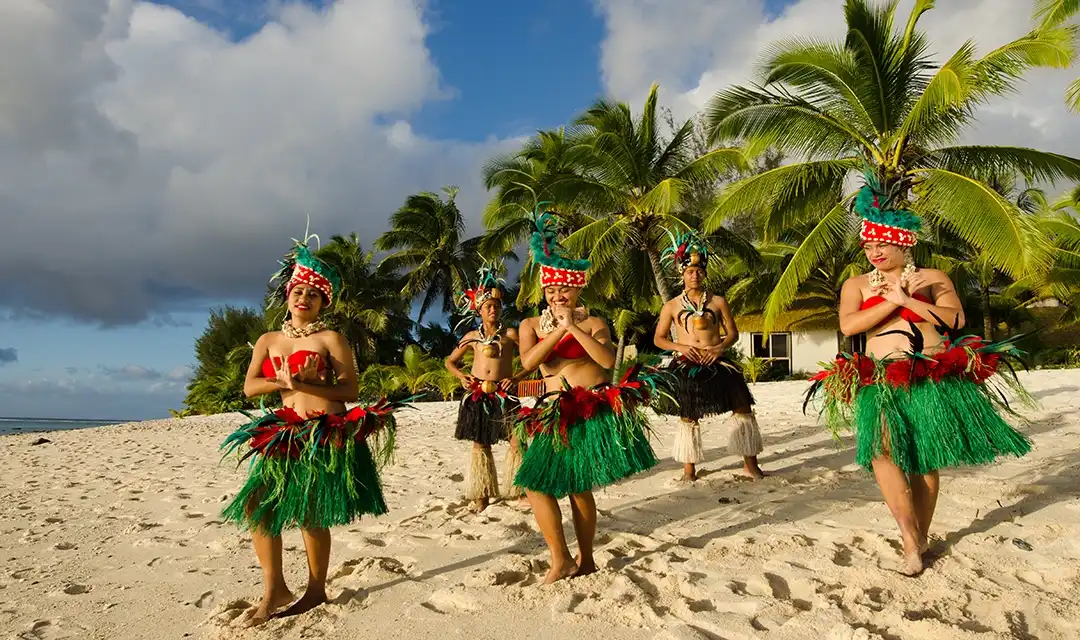
Society Islands. Tahiti, Bora Bora, Moorea, Huahine, Raiatea, Taha'a. This is the heart of what most people mean when they say French Polynesia. The iconic overwater villas are here. So are the lagoons, the volcanic peaks, and the culture. It is the most accessible part of the destination and the most thoroughly extraordinary. Most itineraries begin and end in Papeete, Tahiti's capital, and island-hop from there.
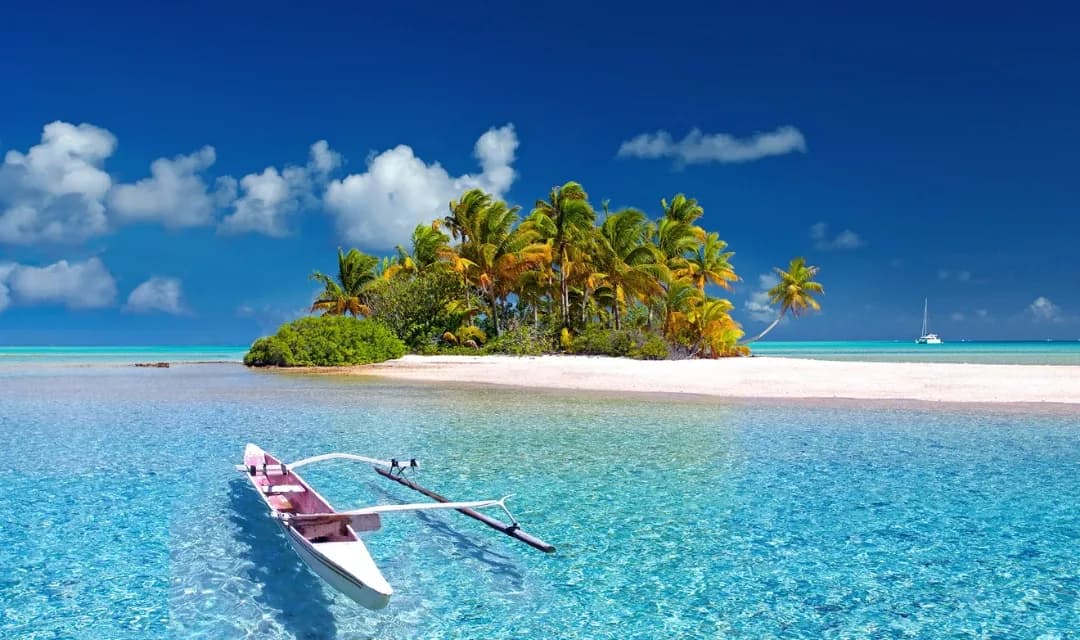
Tuamotu Atolls. Flat, remote, and among the finest dive sites on the planet. Rangiroa and Fakarava draw serious divers and those looking for something genuinely untouched. This is the quieter, less visited side of French Polynesia.
Marquesas Islands. Raw, cultural, and deliberately remote. No large resorts. Ancient stone temples in the jungle. A world that feels entirely separate from the overwater bungalow image. Not for every traveller, but unforgettable for the right one.
For a first trip, the Society Islands deliver the full range of what makes French Polynesia exceptional. It is where Travelopod's French Polynesia itineraries are built, and it is where most travelers find everything they came for.
Who This Trip Is Actually For
French Polynesia works for honeymooners. It works for luxury travelers who have already done other luxury islands and want to understand what comes next. It works for bucket-list travelers who want a trip that genuinely feels like a milestone, not just a holiday.
This is not a destination you dilute. It rewards travelers who approach it with intention: in time, in planning, and in budget.
It does not work for very short trips. Getting there and back takes time, and a week that is not planned properly leaves you feeling like you barely arrived before you had to leave. Twelve days gives you the full experience. Plan with intention, not as a last-minute booking.
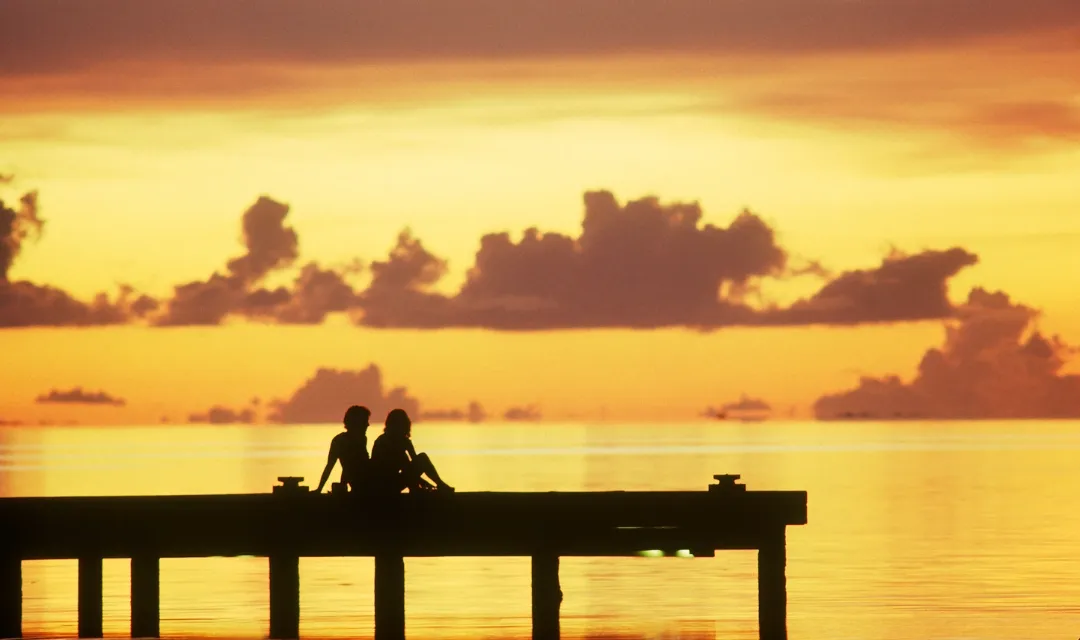
What the Experience Actually Feels Like
There are no activity itineraries in this section. Those belong to the planning stage.
What matters here is how the trip feels.
You wake up over water. The ocean is directly below you. You can hear it. The light at 6am in Bora Bora is genuinely unlike light anywhere else you have been.
You step into a lagoon and share it with marine life that is completely indifferent to your presence. Sharks the length of your arm. Rays with wingspans wider than you are tall. The whole thing is absurdly calm.
Meals are a quiet highlight. French technique meets Polynesian ingredients: fresh tuna, coconut, citrus. Dishes like Poisson Cru are simple, precise, and unforgettable.
For several days, you are genuinely unreachable. Not performatively. Actually. The time difference is real. The remoteness is real. You disconnect because the geography makes it easy, not because you are trying.
The luxury here does not announce itself. It is quieter than that. More considered. The scale is smaller. The staff-to-guest ratio is high. Everything is designed around the idea that you came a very long way and you should feel it was worth every hour of the journey.
The Distance Factor
French Polynesia sits in the middle of the South Pacific, further from any major landmass than almost anywhere else on the planet. From Los Angeles, Air Tahiti Nui flies direct to Papeete in approximately 8 hours. From the East Coast, plan for 13 to 15 hours with a connection.
Entry and transit requirements are more specialised than most destinations, which is why getting the routing right matters.
For a journey of this significance, most travelers choose to fly Business Class. The experience begins well before you reach the islands.
This matters for two reasons. The location is the filter that keeps the crowds away. You are not just paying for the flight. You are paying for the absence of everyone else.
It also means the planning cannot be an afterthought. Routing, timing, inter-island connections, whether to cruise or stay on land: these decisions significantly affect what your trip actually turns out to be.
We cover all of this in the French Polynesia travel planning guide. For now, know that the distance is not a flaw. It is a feature.
Rare Luxury, Not Accessible Luxury
There is a version of island luxury that is easy to reach, well-documented, and consistently excellent – Mauritius, Seychelles.
French Polynesia is a different category. It takes longer to get to. It requires a higher level of investment to unlock the true experience. It demands more from the traveler: in research, in time, in intention. The payoff is a trip that almost no one from your social circle may have taken.
Indian Ocean Circuit vs French Polynesia: What Is the Difference?
Aspect | Indian Ocean Circuit (Maldives, Seychelles, Mauritius) | French Polynesia |
Geography | Coral atolls and island beaches | Volcanic peaks and lagoons |
Accessibility | Easy, well-connected | Remote, Pacific |
Travel style | Polished overwater and beach luxury | Expedition-style luxury |
Exclusivity | High | Ultra-high |
Overall fee | Refined, predictable | Rare, varied, dramatic |
Start Planning Now
The most sought-after overwater villas and cruise cabins book 10 to 12 months in advance. If French Polynesia is on your list, the planning window is now.
Explore our French Polynesia itineraries or speak to a specialist to start building it right from the first decision. Call us at +1-844-354-4809 or email vacations@travelopod.com.
Our specialists don't just book hotels. They structure the routing, manage inter-island connections, and navigate the specialized entry and transit requirements that come with a South Pacific itinerary.
If you are ready to move from dreaming to planning, our French Polynesia travel planning guide covers everything: best time to visit, how many days, which islands to combine, and what to expect at every price point.
Frequently Asked Questions About French Polynesia
Where is French Polynesia located?
French Polynesia is in the South Pacific Ocean, roughly halfway between Australia and South America. It is an overseas territory of France. The capital, Papeete, is on the island of Tahiti.
Is Bora Bora the same as French Polynesia?
Bora Bora is a single island within French Polynesia, specifically part of the Society Islands group. French Polynesia also includes the Tuamotu Atolls, the Marquesas Islands, the Gambier Islands, and the Austral Islands. Each group has its own distinct character. Most itineraries, including all Travelopod French Polynesia voyages, are centered on the Society Islands. Explore the Society Islands itineraries on Travelopod.
Is French Polynesia expensive?
French Polynesia sits firmly at the premium end of the market. Accommodation, inter-island travel, meals, and experiences are all priced at the premium end of the market. French Polynesia is best approached as a high-investment, high-return trip: one you plan properly rather than improvise.
How many days do you need for French Polynesia?
Travelopod's French Polynesia itineraries range from 7 to 12 days, which covers the Society Islands thoroughly. A 7-day cruise gives you Bora Bora, Moorea, and two or three other islands. A 10 to 12-day voyage adds depth, more ports, and a less rushed pace. Fewer than 7 days rarely justifies the overall trip commitment. Read the French Polynesia planning guide for recommended itinerary lengths.
When is the best time to visit French Polynesia?
The dry season runs from May to October, with lower humidity, less rainfall, and calmer seas. This is also peak season, so cruise berths and overwater villas fill months in advance. The wet season from November to April brings more rain but fewer crowds and lower rates. The shoulder months of April and November often offer the best balance of weather and availability.
French Polynesia travel needs someone who knows how to build it properly. Travelopod has been planning luxury vacations for over 21 years. More than 400,000 trips. A specialist team that has structured South Pacific itineraries across every cruise line and every island combination worth considering.
Explore our French Polynesia itineraries or speak to a specialist who can build it right from the first decision. Call us at +1-844-354-4809 or email vacations@travelopod.com.
ExclusiveOur Signature Journeys
View All >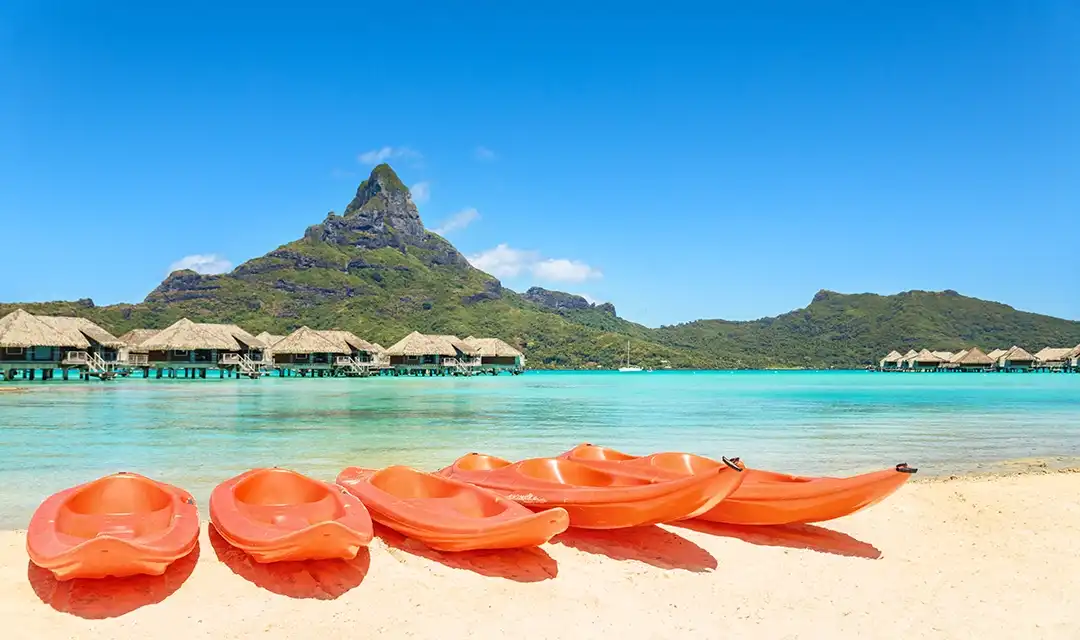
Why Choose Travelopod
Travelopod makes every journey seamless, affordable, and unforgettable. Here's why travelers choose us for flights and vacations.
Your Next Adventure Awaits
.webp&w=2560&q=75)
Meet Our Special Advisors
Our trusted advisors bring decades of expertise to help plan your perfect journey.

Anna
Holiday Expert

Vic
Holiday Expert

Suzane
Holiday Expert
Get Holiday Inspiration & Exclusive Offers
Join our mailing list to receive the latest updates and travel inspiration
We respect your privacy. Unsubscribe at any time.