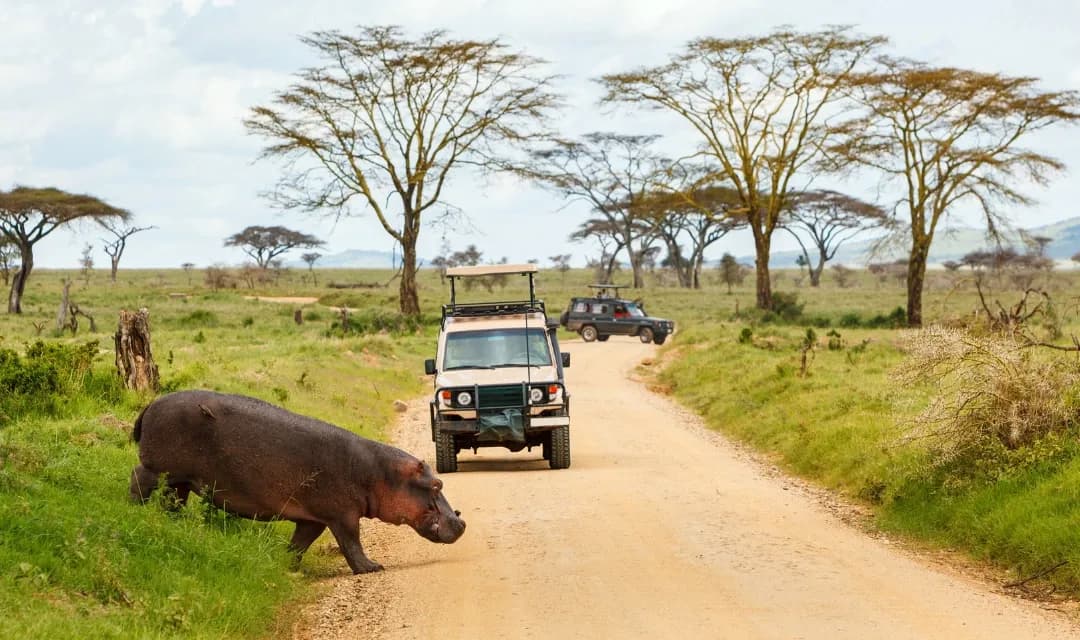
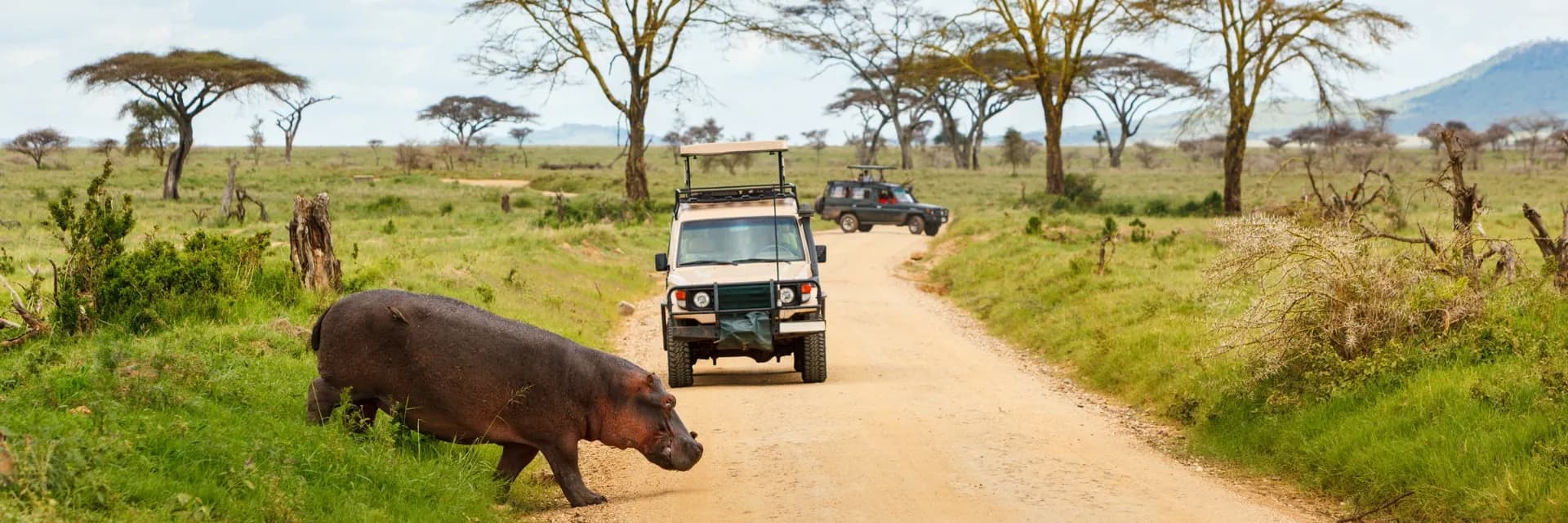
Why Kenya and Tanzania Together Create the Ultimate Safari


At a glance: A Kenya and Tanzania safari combines four of East Africa's greatest parks into one journey. Two countries, two entirely different landscapes, and the full arc of the Great Migration.
Why the Combination Works
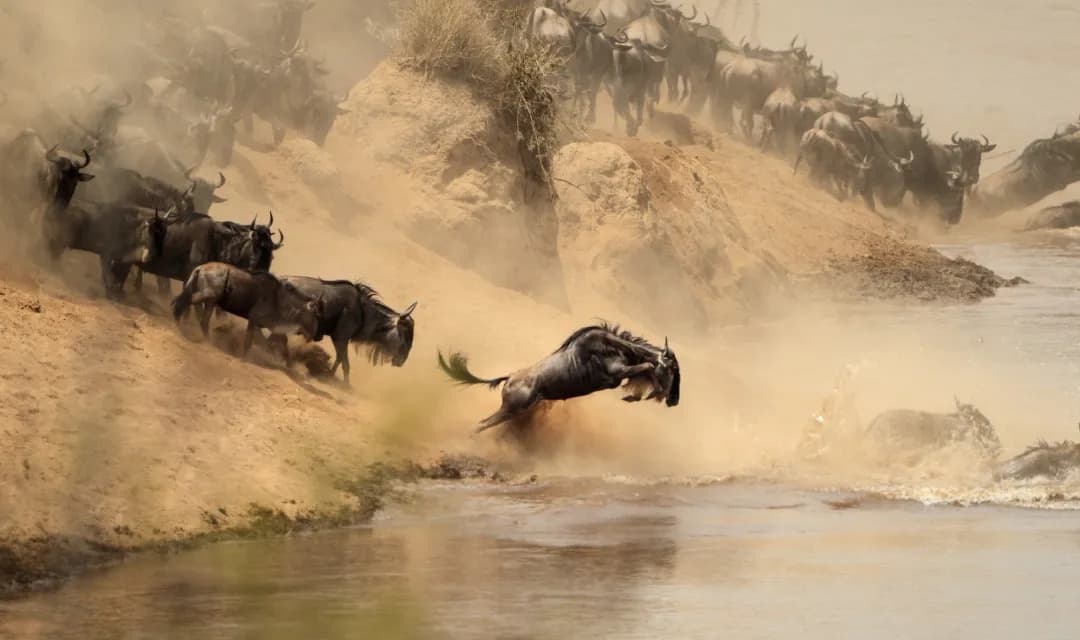
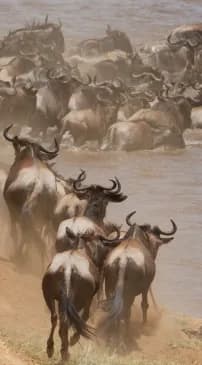
The Great Migration is the most visible thread between them. Two million wildebeest and zebra follow the rains in a year-long loop between Tanzania's Serengeti and Kenya's Masai Mara. The river crossings happen in Kenya. The calving season, and the predators that follow, happens in Tanzania. One country gives you the beginning. The other gives you the climax.
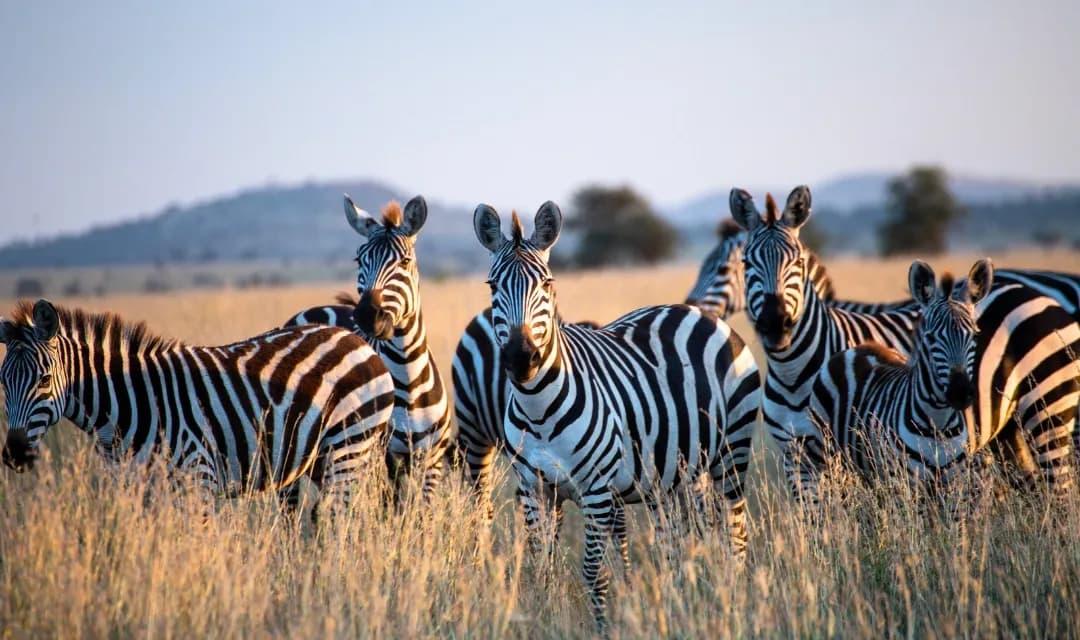
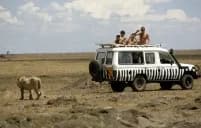
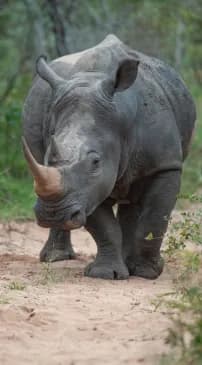
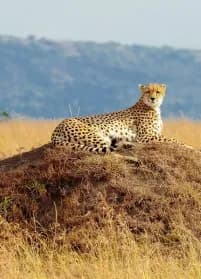
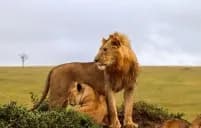
Then there’s the wildlife. In the Masai Mara, lion sightings are near-daily, cheetahs hunt on open ground, and leopards are spotted more reliably than almost anywhere else in Africa. Cross into Tanzania and the cast changes: black rhino can be found here in numbers seen nowhere else, and the Serengeti's predator density is extraordinary even outside migration season. Between the four parks, you are not choosing which animals to see. You are choosing how many.
What Each Country Gives You
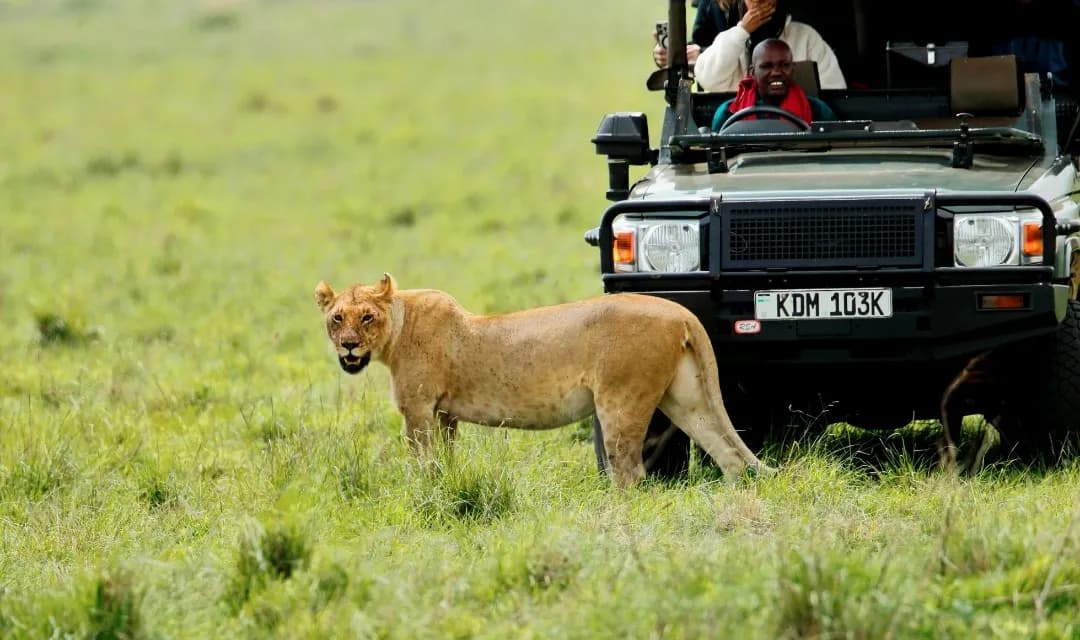
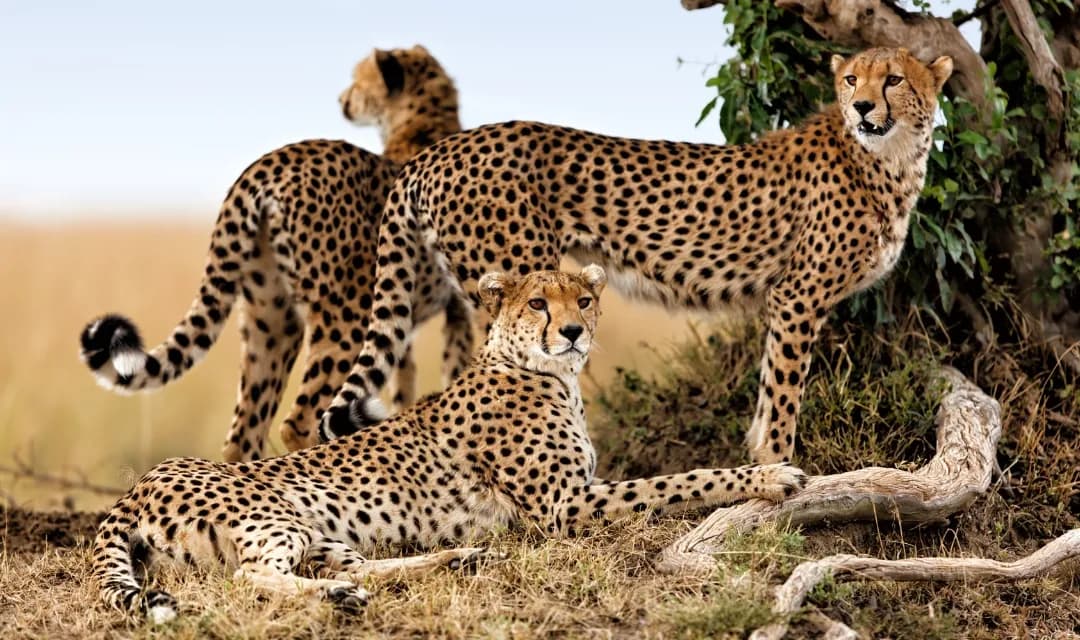
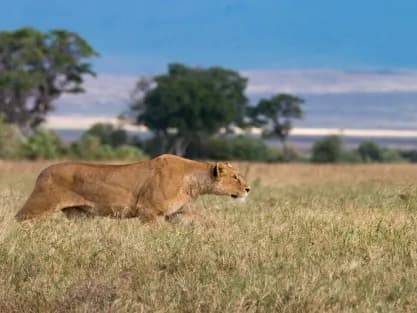
Kenya is more compact and easier to move through. The Masai Mara is East Africa's finest big cat destination. Lions are spotted almost daily. Cheetahs hunt on open ground where you can watch the entire sequence, from the stalk to the sprint to the kill. Leopards drape themselves over trees with the bored confidence of animals who know they are exactly where they want to be.
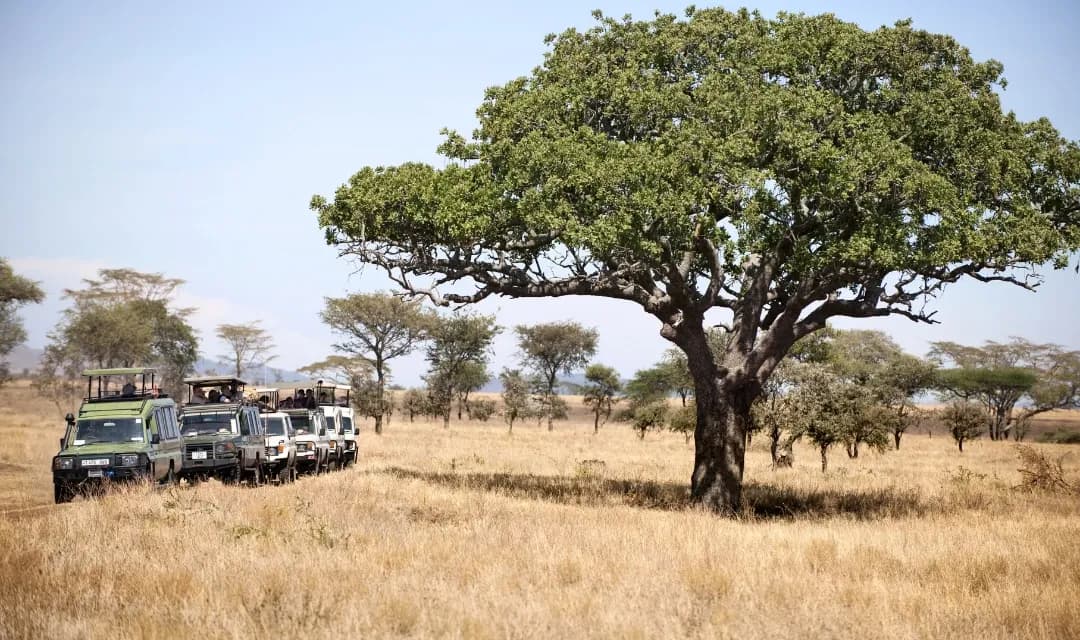
Tanzania goes wide. The Serengeti alone covers nearly 15,000 square kilometers of open savannah. Its parks feel more remote and less domesticated, the kind of wilderness where you can drive for an hour without seeing another vehicle. Put the two countries together and you have the full East African story.
Where You'll Go
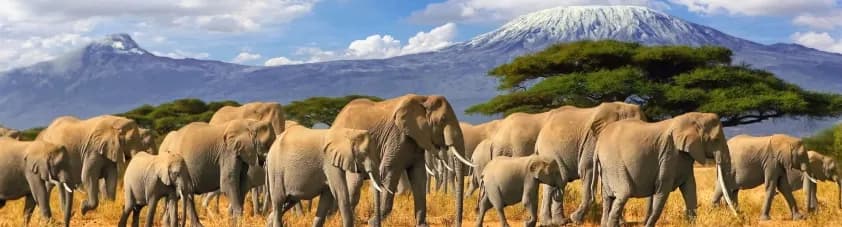
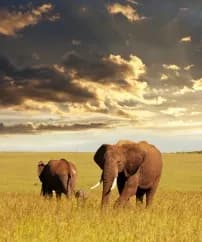
Amboseli, Kenya. Elephants walk beneath Kilimanjaro, and on a clear morning the mountain is simply impossible: all that ice and altitude rising out of the savannah. Among the most powerful images in safari.
Ngorongoro Crater, Tanzania. You descend into it rather than admire it from a distance. A collapsed volcano 600 meters deep, holding one of the densest concentrations of wildlife on the continent. Big Five sightings in a single morning are common. For black rhino, there is nowhere better.
Serengeti, Tanzania. Where the migration lives. Where lion prides sprawl on kopjes the color of honey and leopards move through long grass like a rumor. Alive in every season.
Masai Mara, Kenya. The dramatic finale. River crossings, the highest big cat concentrations in the region, and a landscape that rewards both patience and simply showing up.
When to Go
June through October for the driest conditions and strongest game viewing.
July through September specifically for the Mara River crossings.
January through March for calving season in the southern Serengeti and a landscape that's green rather than tawny.
April and May for quieter camps and lower prices.
How Many Days?
Ten to fourteen. Less than that and you're driving past things you should be sitting still for. Two to three nights per park is the right pace.
What the Journey Looks Like
You arrive in Nairobi. The first park introduces you to East Africa's scale. You cross into Tanzania and the landscape changes register. Each stop brings something the last one couldn't. The Mara, which comes last, feels like everything you were building toward.
Getting the logistics right across two countries takes experience. That is exactly where a travel specialist earns their place.
.webp&w=2560&q=75)
Plan Your East Africa Safari With Travelopod
Travelopod's Kenya and Tanzania safari brings together Amboseli, Ngorongoro, the Serengeti, and the Masai Mara in one seamless journey. Every border crossing, domestic flight, and transfer is handled for you. Every booking includes Travelopod Circle membership, earning 1% back toward your next trip.
When you call, you'll speak with a safari specialist who can shape the trip around your dates, your group, and what you most want to see.
Explore the Kenya & Tanzania itinerary.
Call +1-844-354-4809 to speak with a safari specialist or write to us at journeys@travelopod.com.
Frequently Asked Questions
Is Kenya or Tanzania better for your first safari? Both are exceptional, which is why combining them works. Kenya has easier logistics and the finest big cat sightings in the region. Tanzania offers wider, more remote wilderness that Kenya can't match. A combined trip gives you the full picture rather than half of it.
What animals will you see in Kenya and Tanzania? The Big Five: lion, leopard, elephant, buffalo, and black rhino, with rhino most reliably spotted in Tanzania. Beyond the five, expect cheetah, giraffe, hippo, crocodile, and over a thousand bird species. Explore the full itinerary
When is the best time to visit? June through October for peak game viewing and the Mara River crossings. January through March for calving season in the Serengeti. April and May for quieter camps and lower prices.
How much does a Kenya and Tanzania safari cost? A combined 10 to 14 day safari typically ranges from $4,000 to $10,000 or more per person. Travelopod's Kenya & Tanzania Game Tracker starts at $4,550 per person, including accommodations, game drives, domestic flights, and all transfers.
ExclusiveOur Signature Journeys
View All >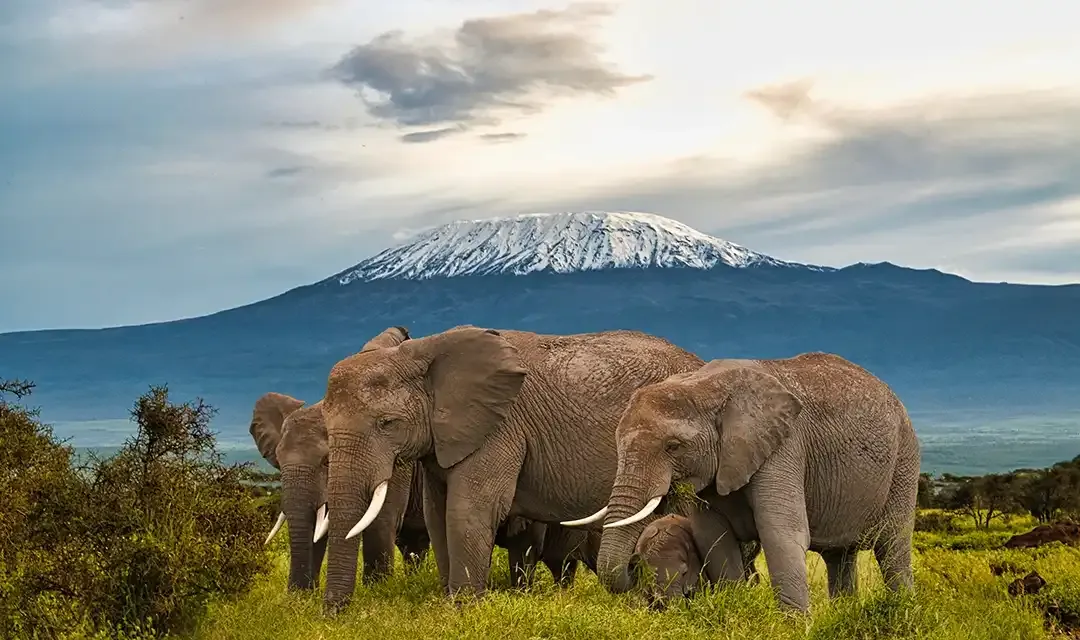

Why Choose Travelopod
Travelopod makes every journey seamless, affordable, and unforgettable. Here's why travelers choose us for flights and vacations.
Your Next Adventure Awaits
Meet Our Special Advisors
Our trusted advisors bring decades of expertise to help plan your perfect journey.

Anna
Holiday Expert

Vic
Holiday Expert

Suzane
Holiday Expert
Get Holiday Inspiration & Exclusive Offers
Join our mailing list to receive the latest updates and travel inspiration
We respect your privacy. Unsubscribe at any time.