Wildlife in India: Why It Belongs on Your Bucket List


When people plan a wildlife trip, India rarely makes it to the list. That is a mistake most travelers only realize once they arrive. A wildlife safari in India offers a variety few countries can match.
The Quick Snapshot
- India is one of just 17 megadiverse countries on earth.
- It is home to around 70% of the world's wild tigers, about 3700 in number.
- The only wild Asiatic lions on the planet are here.
- India records over 500 mammal species and more than 1,300 bird species.
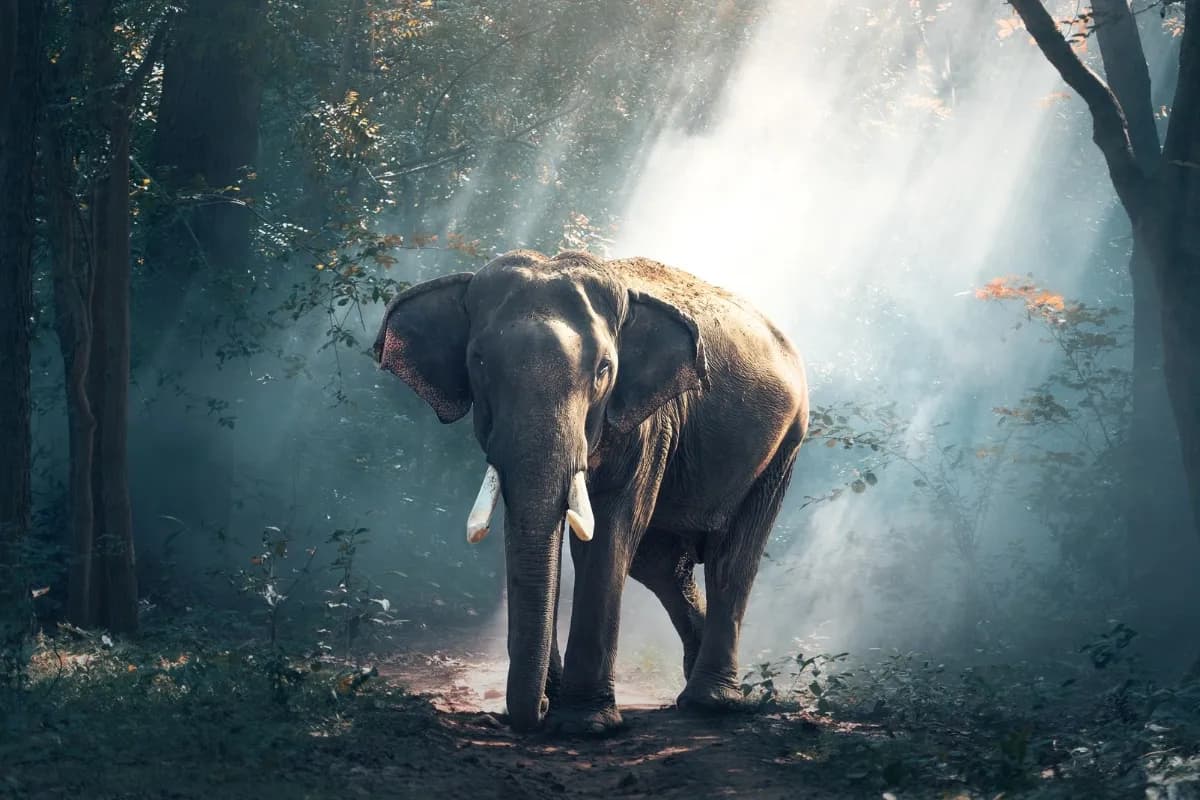
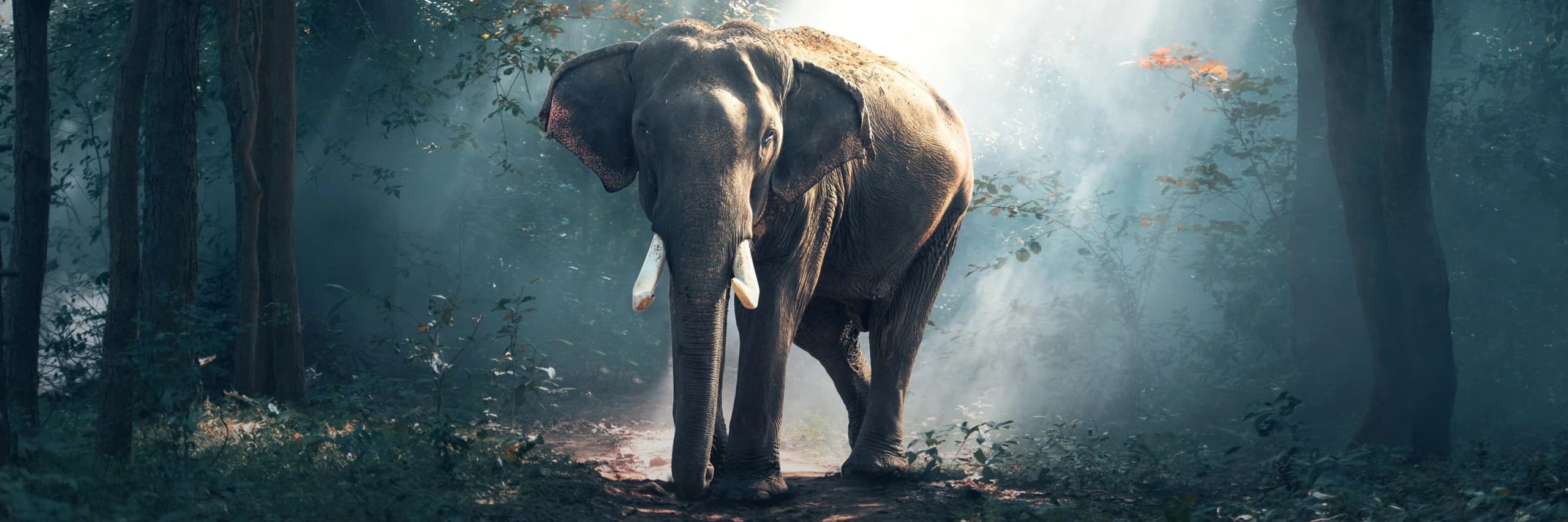
- It is home to close to 60% of the world's Asian elephants.
- More than 100 national parks and 500 wildlife sanctuaries protect this diversity.
But statistics only carry you so far. What stays with you is the moment every safari traveler remembers. The forest falls silent. A spotted deer gives an alarm call. Your guide switches off the engine. A striped shape steps out of the trees. That is when you understand why once people come to India for a safari, they return to India's forests. Again and again.
It is also when you understand that India belongs in the same conversation as the Serengeti and Mara.
Wildlife in India goes far beyond the tiger
The tiger is what brings most travelers here first. But, India's biodiversity spans habitats that few countries can match in a single trip. Tropical rainforest in the Western Ghats. Cold desert in Ladakh. Mangrove delta in the Sundarbans. Grassland floodplain in Assam. Dry scrub in Gujarat. Alpine meadow in Sikkim.
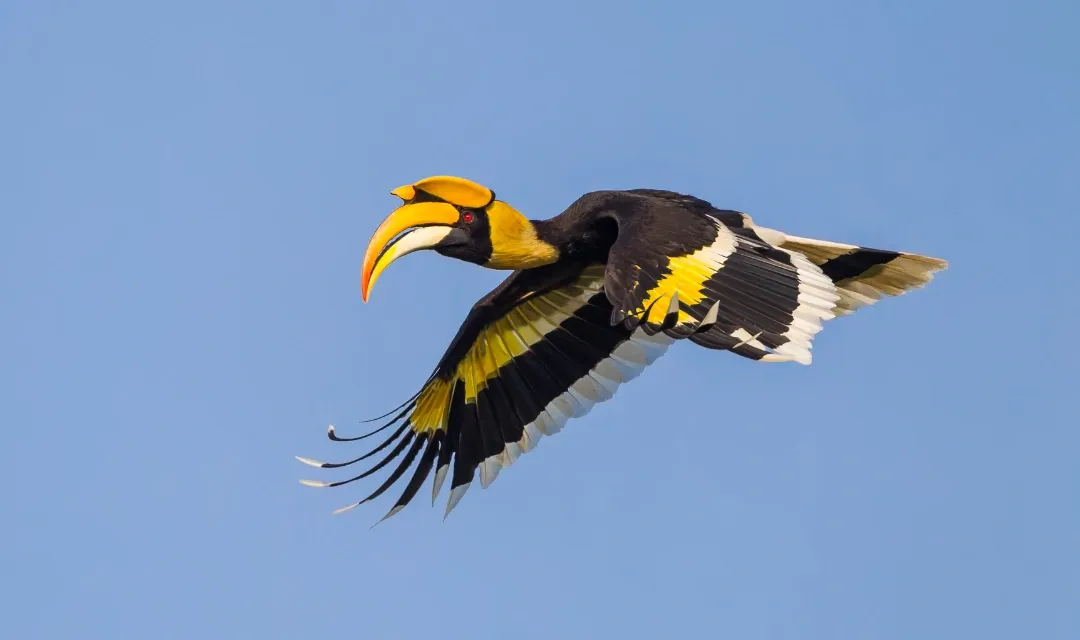
Look past the headline animals and the list expands quickly. Sloth bears crashing through undergrowth in Satpura. Gaur, the largest wild cattle on earth, standing shoulder-height at a waterhole. Dholes, India's wild dogs, hunting in packs. Great hornbills in Kaziranga with a wingbeat you can hear before you see the bird. Barasingha, the swamp deer, wading through Kanha's meadows. Gharials basking on sandbanks in Chambal. Gangetic river dolphins surfacing in Assam.
India's wildlife is defined by the astonishing variety of life waiting around the next bend in the trail.
The best wildlife destinations in India
Every region has its own signature encounter, and its own feel. Most work well as a two or three-night addition to a wider India itinerary.
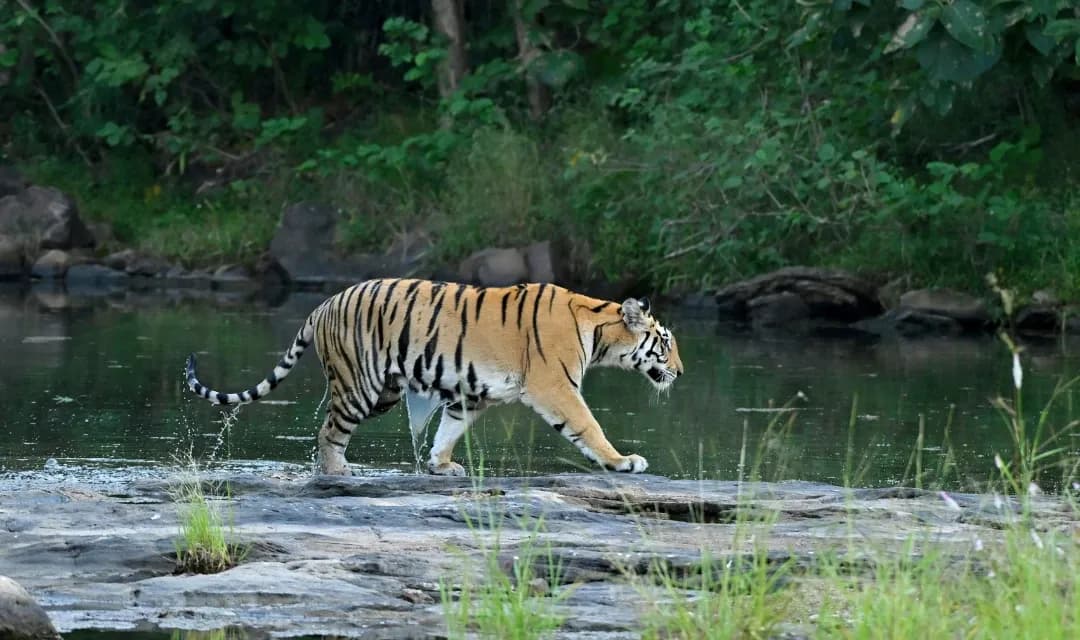
Central India is tiger country. Sal forests, silvery meadows, orange soil, langur calls carrying through the trees. Bandhavgarh, Kanha, Pench, and Tadoba form the strongest tiger circuit in the country, alongside sightings of leopards, sloth bears, gaur, and barasingha.
Did you know, it was Kanha & Pench that inspired Rudyard Kipling’s The Jungle Book. (highlight)
Pair a safari with the temples of Khajuraho, the tribal villages of Chhattisgarh, or the sloth bear country of Satpura for a fuller central India route.
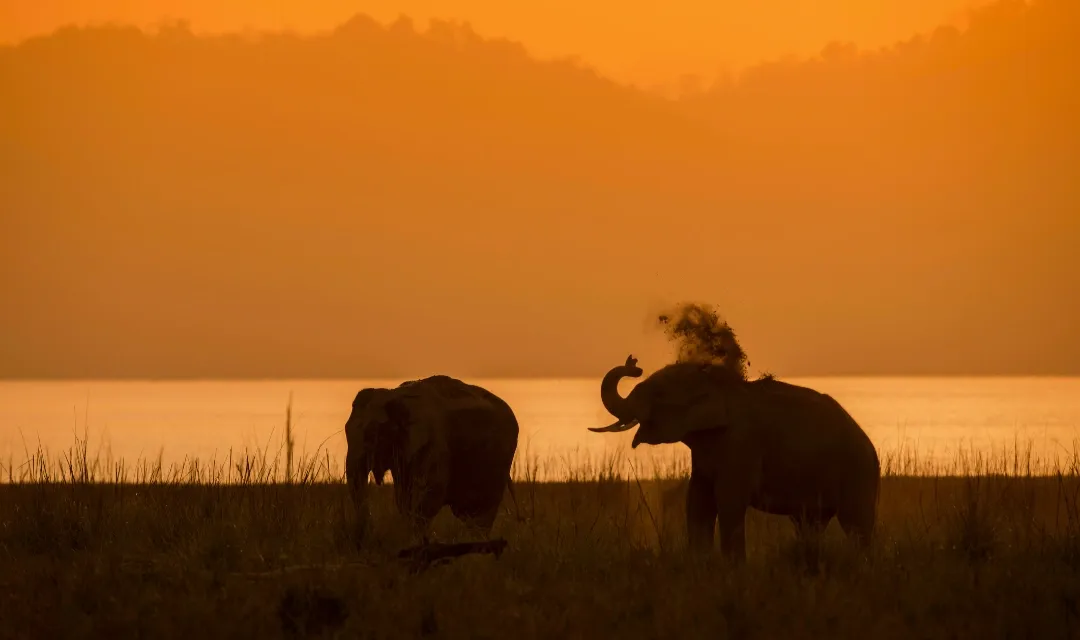
Corbett, in the Himalayan foothills of Uttarakhand, is India's oldest national park and its most storied. Tigers, elephants, and gharials share the Ramganga river valley. Dhikala zone at dawn, with mist rising off the grasslands and mountains behind, is one of the great sights in Indian wildlife. Combine it with Rishikesh, the Ganges, and yoga in the foothills.
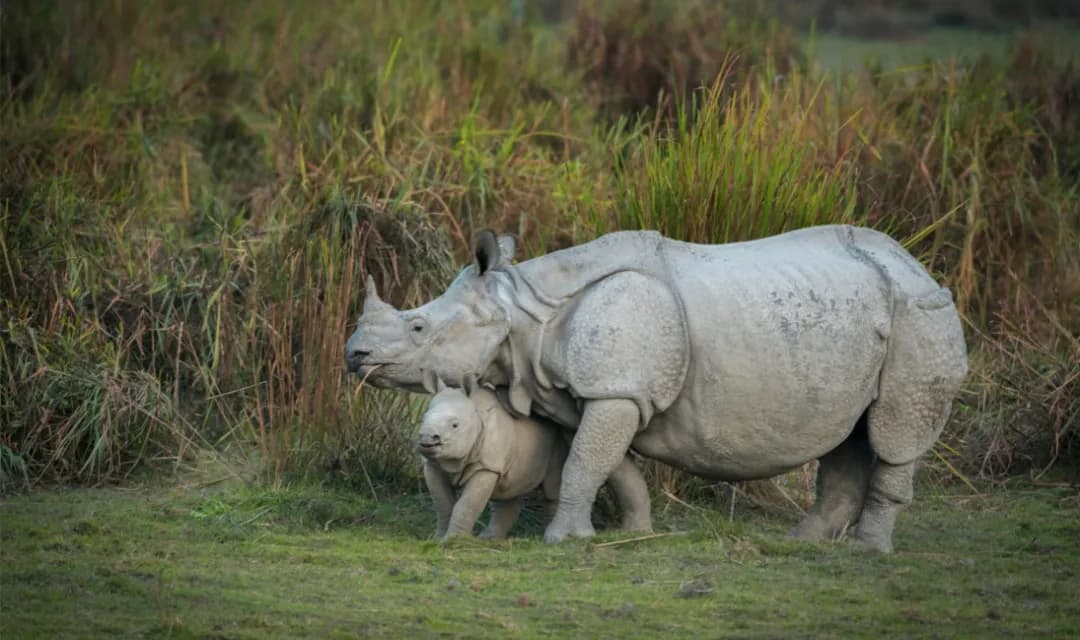
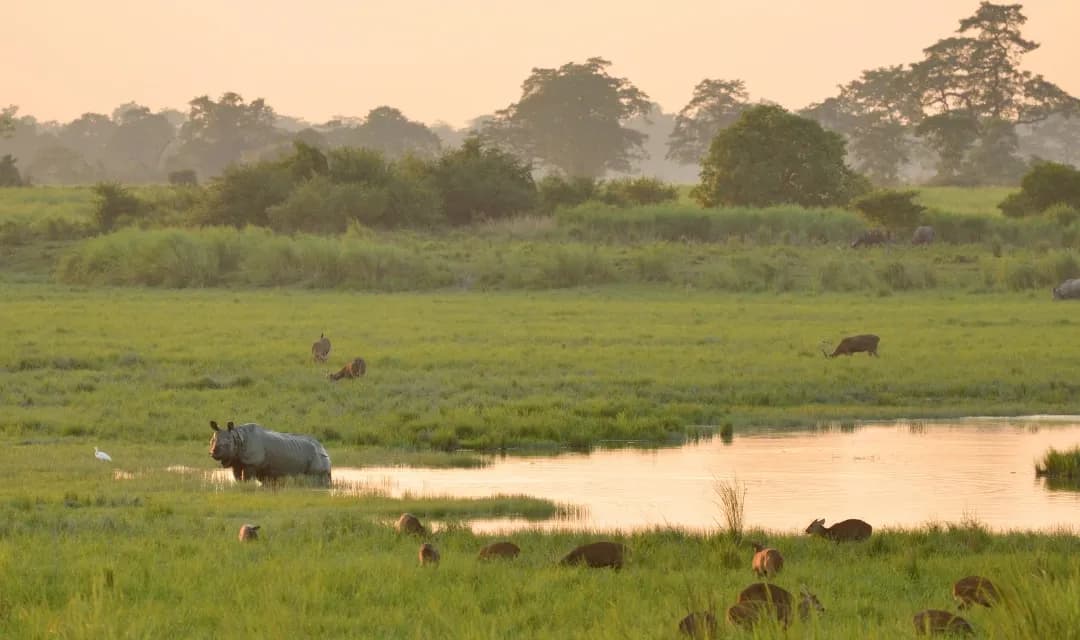
Kaziranga is where rhinos graze in tall elephant grass that towers over safari jeeps. Mist lifts off the grassland at dawn and you hear elephants before you see them. Alongside the rhinos are wild elephants, buffalo, tigers, and one of the richest bird populations in the country. Pair it with the rest of Assam for tea gardens, the Brahmaputra, and Meghalaya's living root bridges.
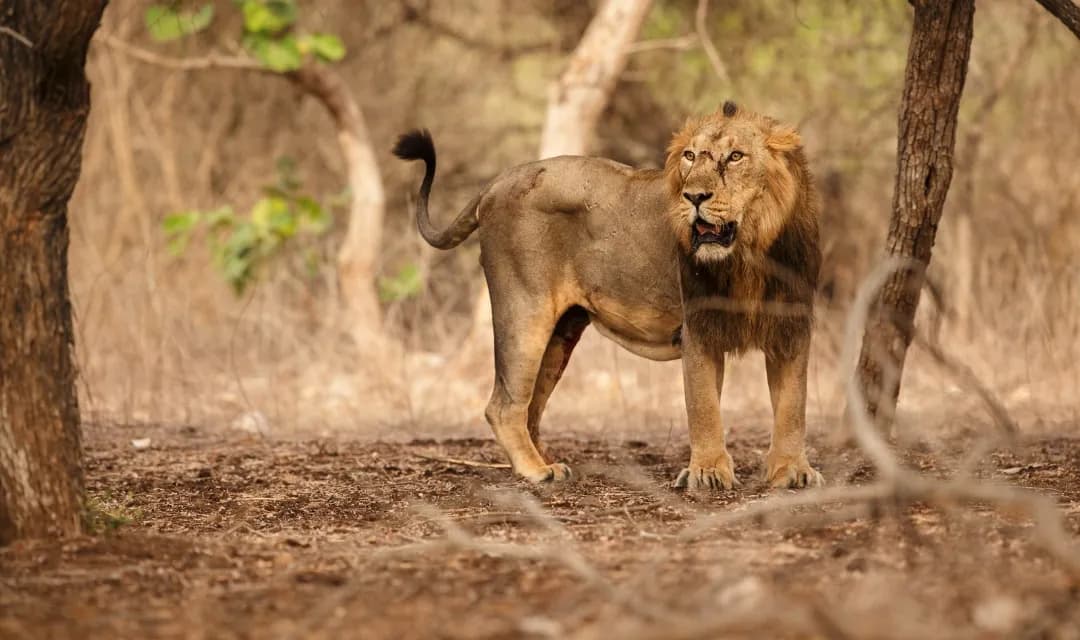
Gir, in Gujarat, is the only place on earth to see wild Asiatic lions. Around 700 live in a dry teak forest of golden light and long shadows. Combine it with the temples at Somnath, the old city of Junagadh, and the salt desert of the Rann of Kutch further north.
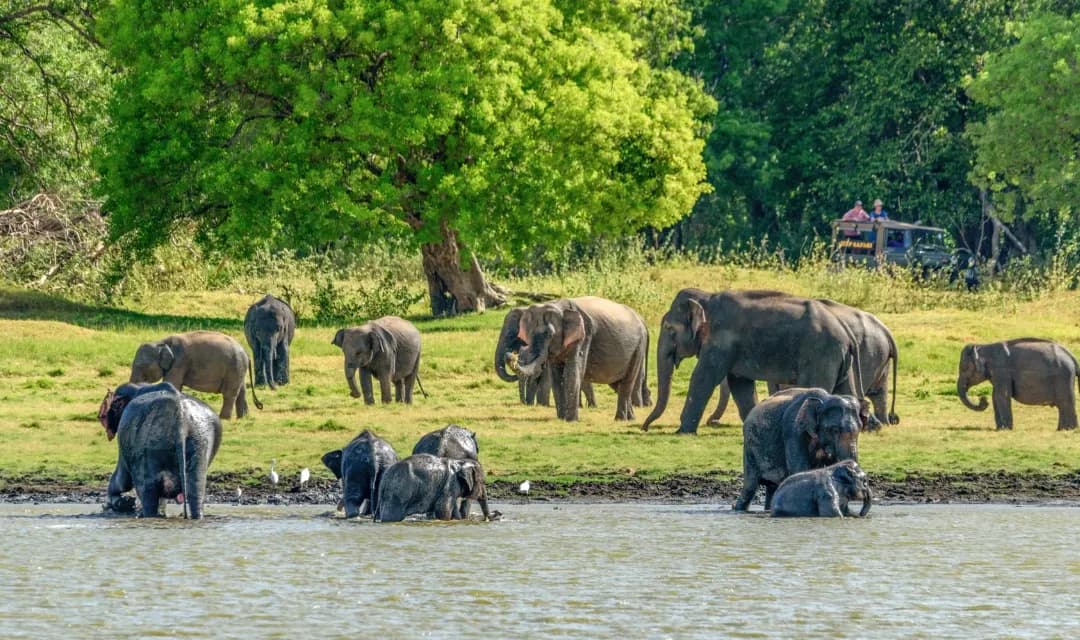
Kabini and Nagarhole, in Karnataka, are for elephants and big cats. The Kabini reservoir cuts through the forest, and herds appear almost unexpectedly along the water. Leopards drape themselves across branches at dusk. Tigers, dholes, and gaur are all here. The lodges are among the finest in Asia. Pair with the coffee estates of Coorg along with a night in resplendent Mysore and India’s tech hub, Bangalore.
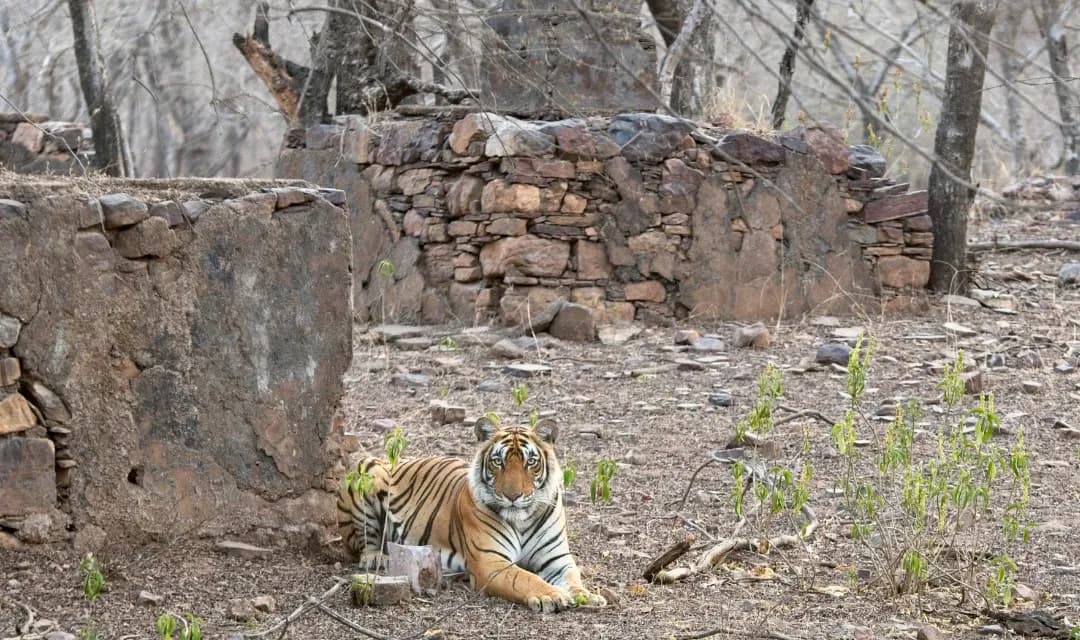
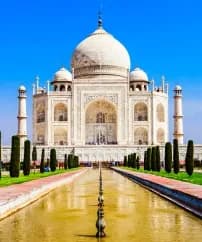
Ranthambore is theatrical. Tigers cross the courtyards of a 10th-century hilltop fort, one of the most striking in Rajasthan. Sambar deer graze in the ruins. Ancient stone gateways, cenotaphs, and stepwells frame the forest, and every sighting feels staged for you. It works beautifully into a Gold Triangle route along with the Taj Mahal in Agra and Jaipur, the pink city.
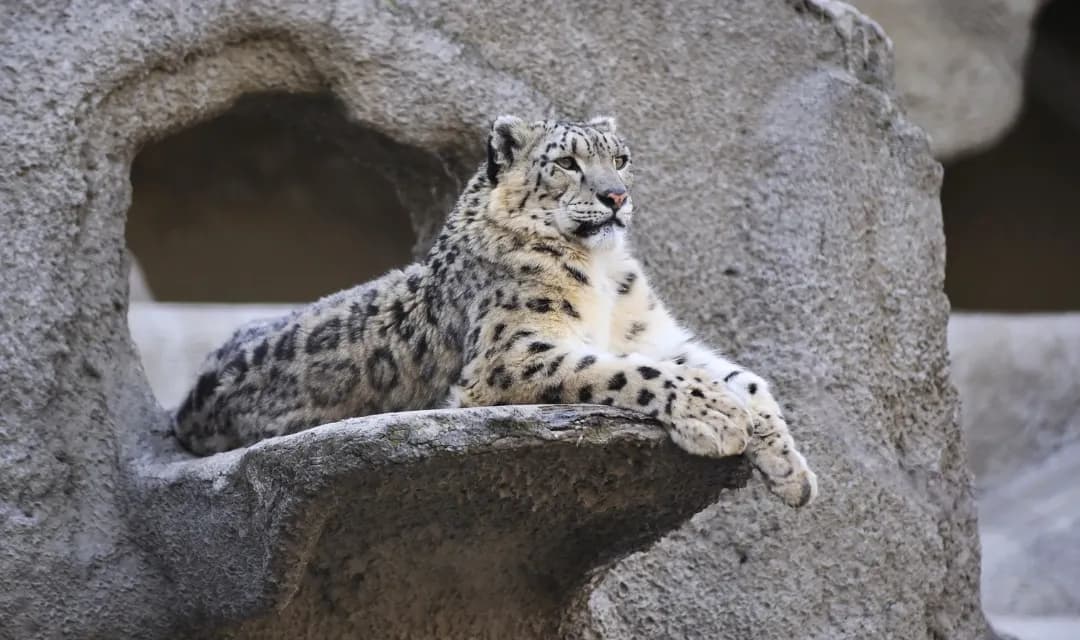
Ladakh is a different country from the rest. It’s a cold desert. Snow leopards tracked across ridgelines above 12,000 feet in the Hemis region. Combine with monasteries in and around Leh, and the high-altitude lakes of Pangong and Tso Moriri in shoulder season.
Plan an India safari with us
The permit systems, seasonal windows, and lodge choices in wildlife tourism in India reward careful planning. Call us at +1 844 770 7948 or write to us at journeys@travelopod.com and tell us about your trip and we will build the route around the sightings you actually want.
When to visit
India's wildlife calendar is tighter than most travelers expect. Most national parks in India close during the monsoon, typically from July through September, and reopen in October.
October to March is the classic wildlife season across most of the country.
April to June is peak tiger season. It is hot, sometimes very hot, but water sources shrink and animals concentrate around them. Sightings are at their best.
December to February is the window for snow leopards in Ladakh.
Kaziranga runs November to April.
Gir is best December to April.
Central India and Corbett are strong November through June.
Where to stay: India's wildlife lodges
India's wildlife lodges have transformed the game over the last decade.

The top tier is world class. Names like Suján, Taj Safaris, andBeyond, Serai, Diphlu, and Pugdundee run properties designed around the wilderness outside. Private plunge pools. Plated dining that would hold its own in a city. In-house naturalists who often spend years learning a single reserve. Interiors that reference the local landscape without lapsing into kitsch. All rival any safari lodge in Africa.
The mid-tier is strong too, and often gets you closer to the naturalist-led experience without the resort feel.
Forest rest houses inside the parks are more basic but closer to the action.
Wildlife travel tips that matter
Book early. Popular zones in Ranthambore, Bandhavgarh, and Corbett sell out months ahead. Plan five to six months in advance for peak season.
Do at least three safaris per park. Sightings in one safari is a lottery ticket. Three gives you a real chance at the real deal and, more importantly, at understanding the forest.
Bring your own binoculars. Most top lodges provide a pair, but your own set of 8x42s that fits your grip changes what you actually see, especially with birds and distant cats.
Wear muted colors. Olive, khaki, brown, gray. Skip white, bright colors, and camouflage (which is restricted in many parks).
Trust your naturalist. They know the tiger's territory, the wind direction, and every alarm call in the forest. Do not pressure them to drive faster or push closer. The best sightings come to travelers willing to wait.
Respect the park rules. Stay in the vehicle at all times. Keep your voice low. No flash photography.
Pack for temperature swings. Early mornings in central India can be near freezing in December, then push into the 20s by mid-morning. Layers matter.
Choose ethical operators. Book with lodges and outfits that put the animal first and that reinvest in the local community. Ask before you book.
Frequently asked questions
When is the best time of year for wildlife in India? October to March is the general wildlife season. April to June is best for tigers. December to February is the window for snow leopards.
How many nights do I need for a wildlife trip to India? Two to three nights in one park is enough for three safaris. A two-park route runs five to six nights. Snow leopard trips are the exception, and typically need eight to ten nights in Ladakh.
Can I see a tiger on a single safari? Sometimes, yes. Reliably, no. Plan at least three safaris per park, ideally over two to three days.
Is India good for a first wildlife trip? Yes, not just first but several. And the right park depends on where you are already. From Delhi or Agra, Ranthambore or Corbett fit naturally. From Mumbai, Tadoba or Kanha. From Bangalore or Hyderabad, Kabini. From the northeast, Kaziranga. We can build a safari into whatever route you are already planning.
Are wildlife lodges in India comfortable? The top tier rivals any safari lodge in Africa, with private plunge pools, in-house naturalists, and world class dining.
India's wildlife does not perform. It reveals itself, briefly, to travelers who show up and stay still. A tiger dissolving into a bamboo thicket. A leopard folded across a granite boulder as if carved from it. An elephant herd crossing a river as the light drops. A rhino stepping out of grass tall enough to swallow a jeep. These moments belong to travelers who trade the itinerary's certainty for the forest's.
If you have only ever thought of India as temples, palaces, and crowded cities, its forests may surprise you the most.
Our India safari specialists have spent 21 years designing wildlife journeys across the country. Call us at +1 844 770 7948 or write to journeys@travelopod.com.
ExclusiveOur Signature Journeys
View All >




Why Choose Travelopod
Travelopod makes every journey seamless, affordable, and unforgettable. Here's why travelers choose us for flights and vacations.
Your Next Adventure Awaits





Meet Our Special Advisors
Our trusted advisors bring decades of expertise to help plan your perfect journey.

Anna
Holiday Expert

Vic
Holiday Expert

Suzane
Holiday Expert
Get Holiday Inspiration & Exclusive Offers
Join our mailing list to receive the latest updates and travel inspiration
We respect your privacy. Unsubscribe at any time.