Expedition
How to Plan an Arctic Expedition
Routes, Costs, and What to Expect


The short answer: Arctic expeditions are organised around four regions, three meaningful seasons, and one format: expedition, not cruise. Voyages run from late spring through early autumn, last 7 to 15 days, and are priced as all-inclusive luxury travel. The route you choose depends on what you most want to see: polar bears, the Northern Lights, or multi-region cultural depth.
Arctic Expeditions Look Complex. They Aren't.
If you've decided you want to go, the next question is usually the same one: where do you actually start? New to the Arctic? Start with what the trip actually looks like — our guide to the full expedition experience.
Arctic expeditions feel intimidating because they're outside the standard travel grammar. No flight comparisons, no recognisable hotel chains, no Tripadvisor consensus. But once you understand how they're structured, the decisions become straightforward. There are four core regions. Three meaningful seasons. One format (expedition, not cruise). And one cost bracket that, looked at honestly, is more all-inclusive than most luxury holidays.
This is what you actually need to know.
Where Arctic Expeditions Actually Go
Four regions account for almost every Arctic expedition you'll find on the market. Each delivers a different experience.
Svalbard, Norway
The heart of polar bear country and the most accessible Arctic departure. Most voyages depart Longyearbyen and sail through ice-choked fjords with strong wildlife density: bears, walrus, reindeer, seabird cliffs.
Best for: polar bears, classic Arctic landscapes, first-time polar travelers. Typical duration: 7–11 days.
East Greenland & Iceland
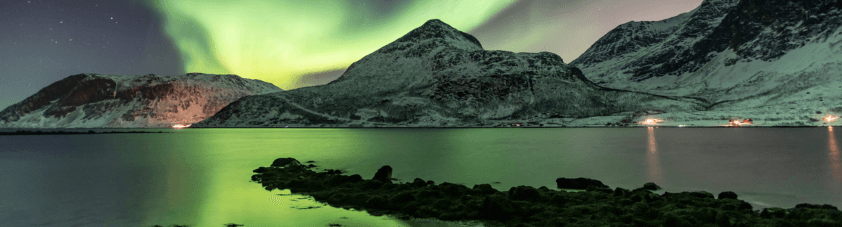
The autumn route. Voyages depart Reykjavík, cross the Denmark Strait, and enter Scoresby Sund: the world's largest fjord system, almost untouched by tourism. September is the aurora window. Iceland's Westfjords typically feature on the return leg.
Best for: Northern Lights, dramatic fjord landscapes, fewer ships. Typical duration: 14 days.
Canada to Greenland
The longest single route. Toronto to Nuuk over 15 days, threading Eastern Canada and Newfoundland before crossing into West Greenland. The trade-off versus Svalbard: less polar bear focus, more cultural and historical depth across multiple regions.
Best for: travelers who want cultural depth alongside Arctic landscapes; longer voyages. Typical duration: 15 days.
The North Cape & Top of Norway
Departs Longyearbyen, calls at Bear Island, reaches the North Cape plateau (the northernmost point of mainland Europe), and disembarks at Tromsø. Svalbard wilderness with a Norwegian mainland bookend.
Best for: travelers who want Svalbard plus the top of Norway in one voyage. Typical duration: 10 days.
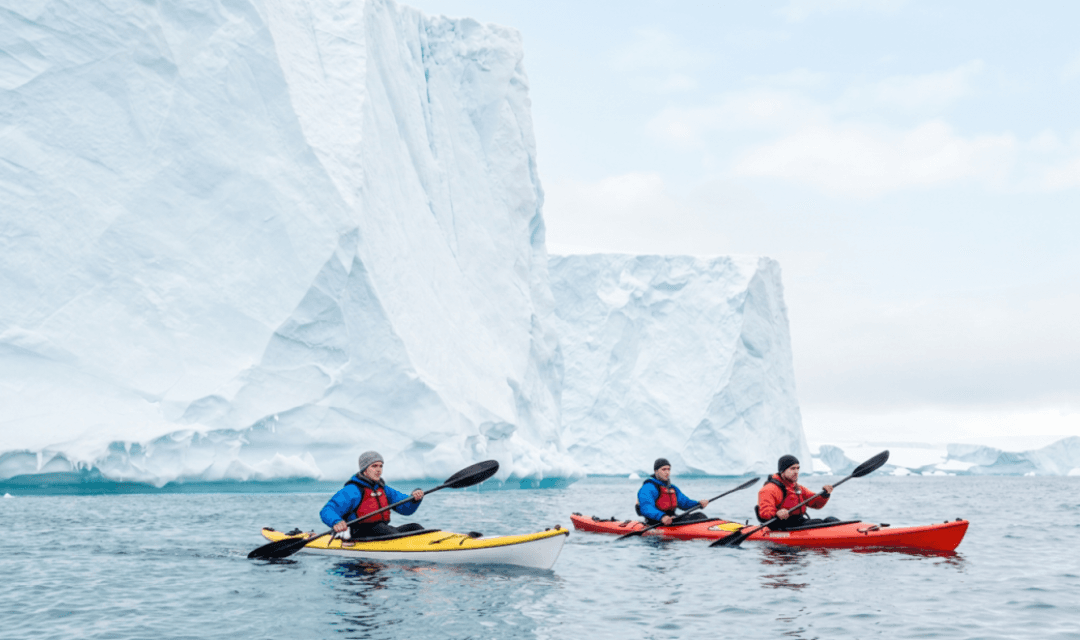
When to Go
The Arctic season is short, roughly May to September, and your experience changes substantially by month.
Late May to early June: Spring conditions. Heavy snow, ice still pervasive, polar bears beginning their active season. Voyages feel quieter and more dramatic visually.
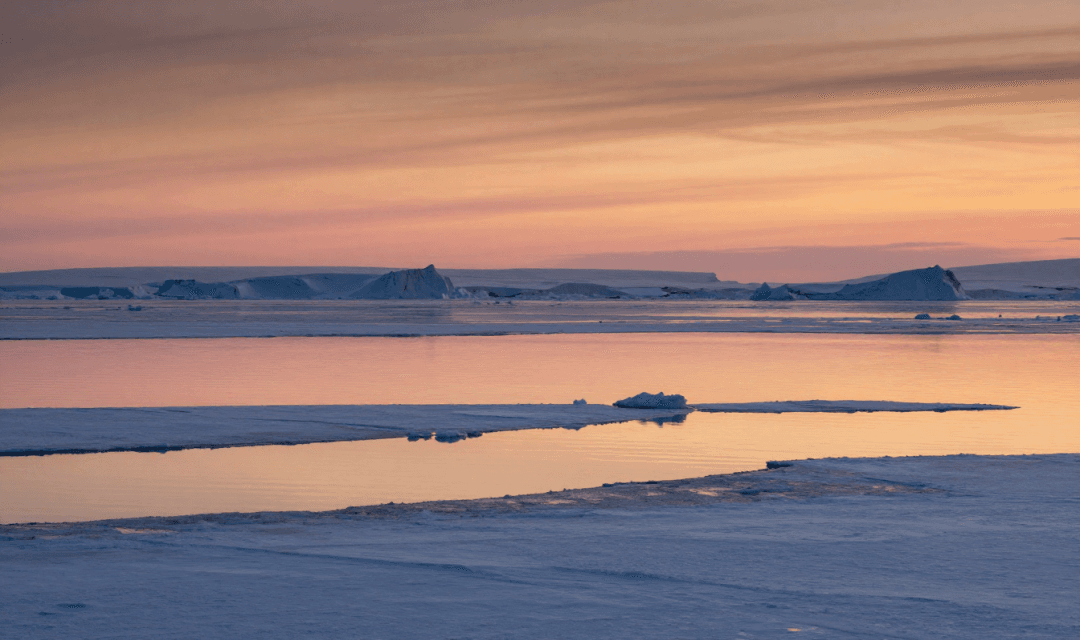
Mid-June to mid-July: Peak Midnight Sun. Maximum daylight, peak wildlife activity, classic Svalbard conditions. The most popular window.
Mid-July to August: The most accessible window. More open water, warmer (relatively), still strong wildlife. Best balance for first-time polar travelers.
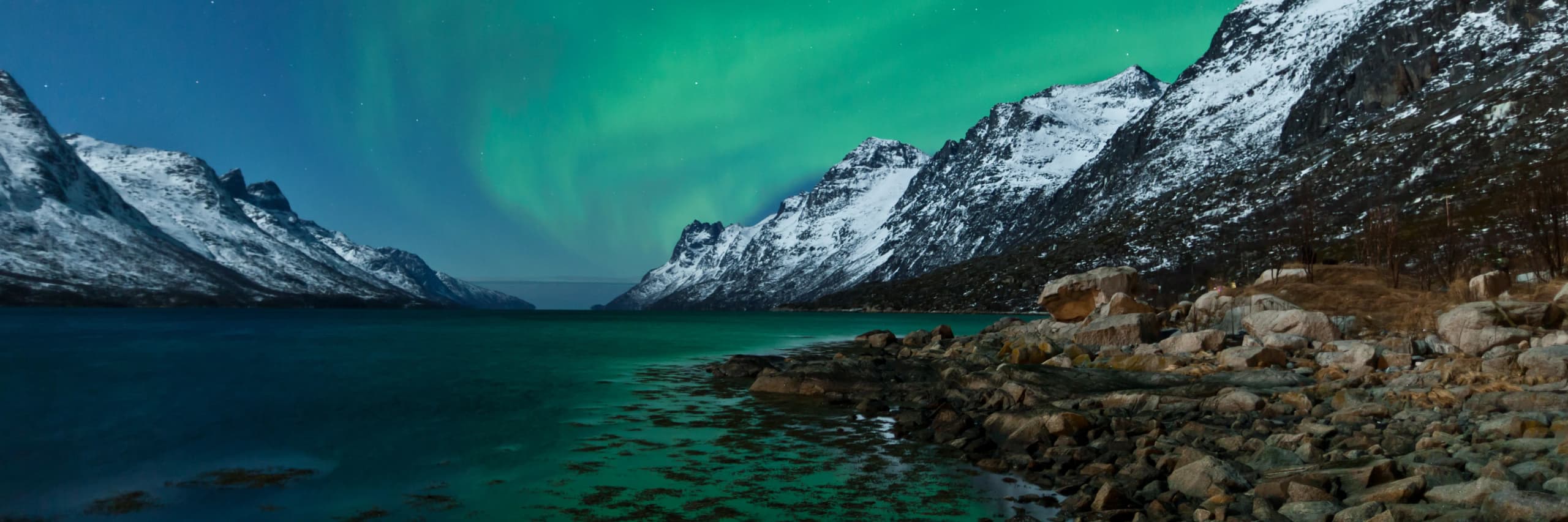
September: Northern Lights window for Arctic expeditions. Autumn colors in Greenland and Iceland, dark-sky corridors active, aurora visible. Wildlife is winding down for the season; the sky takes over.
The takeaway: don't pick a month for weather. Pick it for what you want to see.
Expedition vs Cruise: The Distinction That Actually Matters
The single most useful clarification before you book: an Arctic expedition is structurally different from a conventional cruise. Confusing the two is where most first-time inquiries go wrong.
Expedition | Traditional Cruise | |
Routing | Flexible: captain navigates by ice and wildlife | Fixed: published port-by-port itinerary |
Direction | Wildlife-led | Port-led |
Ship size | Small (typically under 200 guests) | Large (2,000–5,000 guests) |
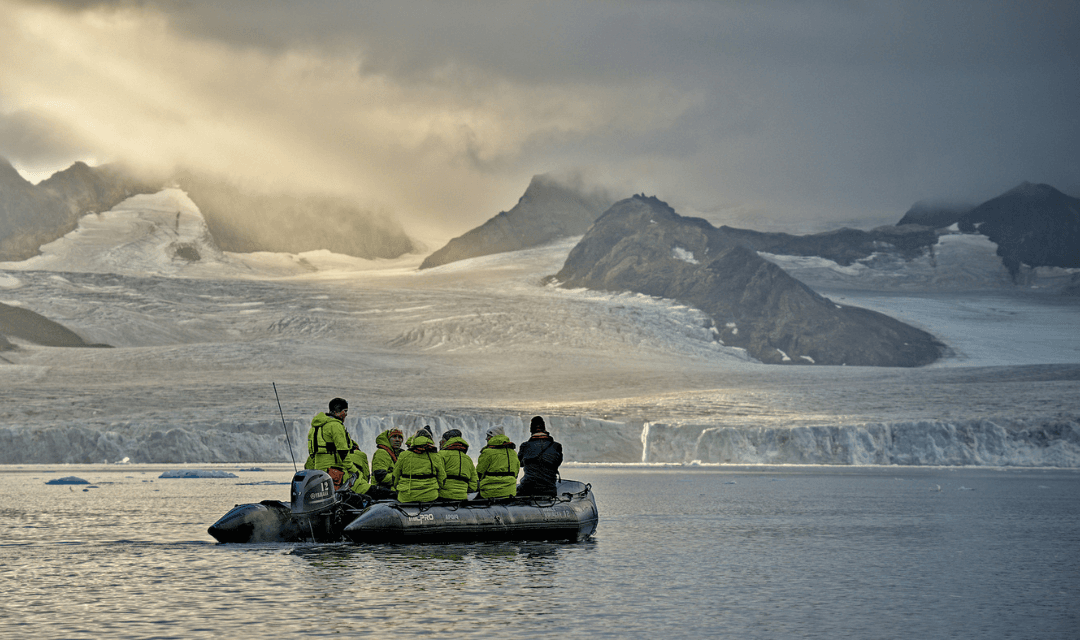
Daily activity | Zodiac landings, shore excursions, kayaking | Tender to ports, organized excursions |
Crew | Scientists, biologists, historians, photographers | Hospitality and entertainment staff |
Days at port | Most days involve a landing | Sea days are common |
If you've cruised before, mentally set that experience aside. Arctic expeditions have more in common with a research voyage than a Caribbean sailing.
What Actually Happens on a Day
A typical day on board has shape, not a script.
Morning briefing. The expedition leader announces the day's plan based on overnight ice scouting, wildlife sightings, and weather. You won't know exactly where you're going until breakfast.
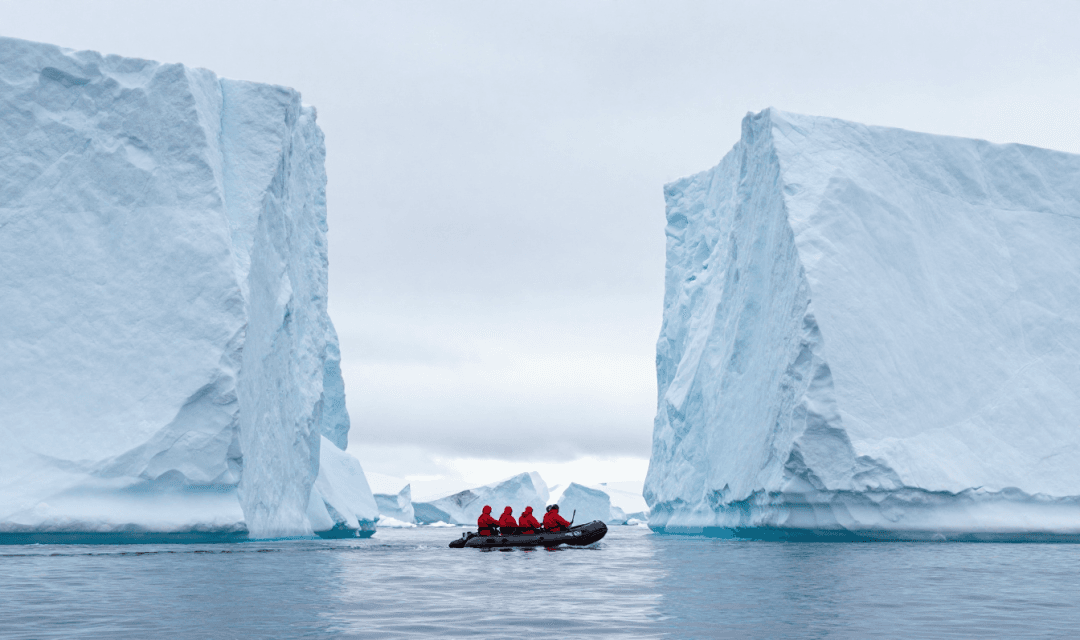
Mid-morning excursion. Guests board Zodiacs in small groups for a shore landing, scenic cruise, or kayak outing. Specialists accompany every group.
Lunch on board. Informal, with fellow travelers and the expedition team mixing freely.
Afternoon outing. A second excursion, often a different format from the morning. Hiking, photography session, scenic Zodiac cruise.
Recap and lecture. Late afternoon: a polar biologist, historian, or photographer presents on what you've seen, what's coming, and the science behind it.
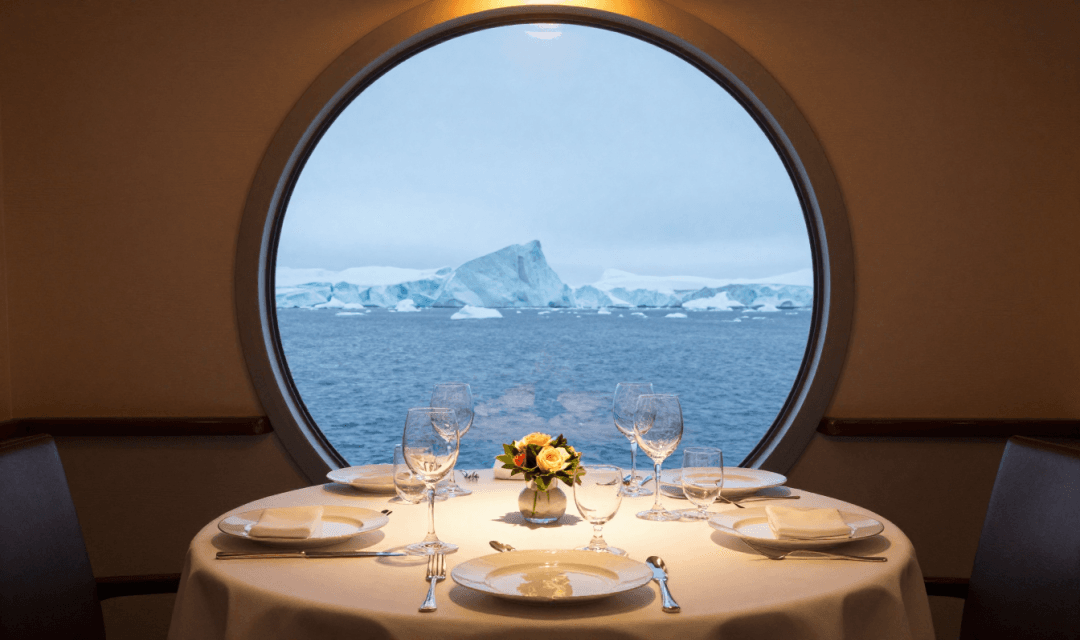
Dinner. Fine-dining service, often featuring regional ingredients.
Evening on deck. In summer, the Midnight Sun keeps everything visible until well past midnight. In autumn, the deck becomes an aurora-watching post.
The structure is consistent. The content of each day is not.
What an Arctic Expedition Actually Costs
Arctic expedition pricing should be looked at honestly, because the headline number is misleading until you understand what's inside it.
Prices vary by ship, duration, and departure window. The range is wide and the difference between the cheapest and most expensive option is almost always about the ship and what it includes, not the destination itself.
See our current Arctic expedition itineraries.
What's included on most operators:
- All accommodation aboard
- All meals, often including 24-hour dining
- Most beverages (some operators include unlimited alcohol, others select beverages)
- All daily excursions and Zodiac landings
- Expedition parka, boots rental
- Onboard lectures, gym, sauna, library, observation lounges
- Onboard gratuities (most operators)
- Basic Wi-Fi
What's typically not included: international airfare (At Travelopod, we book both flights and expeditions. Please feel free to reach out to us and discuss details) travel insurance with medical evacuation cover, optional pre- or post-cruise hotel nights, and personal expenses.
The relevant comparison: a 10-day Arctic expedition at $12,000 with everything included is structurally comparable to a luxury safari at the same price point. It's a high-end product, priced as one, but with fewer hidden line items than most premium travel categories.
What You Need to Prepare
Less than people expect.
Clothing. The expedition operator typically provides the heavy parka and waterproof boots. You bring base layers, mid-layers, gloves, hats, and waterproof trousers. Layered, not bulky.
Fitness. Moderate. You need to manage Zodiac transfers (a step from ship to inflatable), short walks on uneven tundra, and stairs on the ship. No technical climbing or polar trekking experience is required. If you can manage a moderate-paced city walk, you can manage an Arctic landing.
Documents. A valid passport with at least six months remaining. Travel insurance with medical evacuation cover (mandatory on most expeditions, and worth confirming the policy specifically covers polar regions).
Visa requirements depend on your embarkation port — speak to a Travelopod specialist to confirm what applies to you.
That's the list. Most other concerns will be handled by us.
Who This Trip Is Actually For
Arctic expeditions are not for everyone, and that's part of why they work.
This trip suits travelers who:
- Have done the mainstream destinations and are looking for something they haven't seen before
- Are interested in nature, landscape, and wildlife rather than nightlife or shopping
- Are comfortable with unpredictability: itineraries shift daily based on conditions
- Can spend 7 to 15 days at sea without restlessness
This trip is probably not the right fit for travelers who:
- Want a fixed schedule with reliable port calls
- Prioritise pool time, shopping, and nightlife
- Are uncomfortable on small vessels
- Expect guaranteed wildlife sightings
The unpredictability is not a flaw of the format. It is the format. The travelers who do best on Arctic expeditions are the ones who've stopped looking for guarantees and started looking for experiences.
Common Concerns
The four questions that come up most often, answered directly.
Is it safe? Yes. Polar expedition operators have decades of experience, ice-class vessels, trained crew, and full medical and evacuation cover built into the product. Polar bear safety on shore landings is managed by armed expedition staff with strict protocols.
Will I see wildlife? Almost certainly, though specifics vary. Whales, seabirds, walrus, and reindeer are reliable. Polar bear sightings are common but not guaranteed; that uncertainty is the trade-off for genuine wild encounters rather than choreographed ones.
Is it too cold? Less than people expect. Summer Arctic temperatures hover between freezing and 5°C. The provided gear is built for the conditions. You will be cold on Zodiac excursions; you will not be cold on the ship.
Will I get bored? Almost no traveler reports this. The combination of daily excursions, lectures, wildlife scouting, and changing landscapes means most days feel too short, not too long.
Why Plan Through Travelopod
Arctic expeditions are one of the few travel categories where booking direct or through a generalist agent quietly costs travelers money and experience.
The reasons are structural. The operators are highly differentiated: different ships, different routes, different inclusion structures, different style of expedition. The wrong match doesn't fail catastrophically. It just means you spent $15,000 on a voyage that wasn't quite the one you should have been on. Cabin categories matter more than people realize, and the right cabin depends on the route, the duration, and the kind of traveler you actually are. And when something shifts mid-trip, you're not navigating hold times or automated systems. You have a real person, available 24/7, who knows your booking and can act on it. What Travelopod adds:
- Curated selection across the major polar operators
- Route, ship, and cabin matching against your specific priorities: polar bears, aurora, cultural depth, comfort tier, mobility
- Cash back, onboard credit, and Travelopod Circle member rewards on all sailings
- End-to-end coordination: flights, pre- and post-cruise hotels, visas, insurance
- Direct operator relationships: faster answers, better resolution when plans shift
Frequently Asked Questions
How much does an Arctic expedition cost?
Prices vary by ship, duration, and departure window. The range is wide and the difference between the cheapest and most expensive option is almost always about the ship and what it includes, not the destination itself.
See our current Arctic expedition itineraries for the prices, specific inclusions and details.
When is the best time to visit the Arctic?
It depends entirely on what you want to see. June and July deliver peak Midnight Sun, maximum daylight, and the strongest polar bear and wildlife activity in Svalbard. August offers the best balance of access, weather, and wildlife. September is the Northern Lights window: best in East Greenland and Iceland, but wildlife is winding down. The Arctic season runs from late May through September; outside that window, most operators are not sailing.
What is the difference between an Arctic cruise and an Arctic expedition?
A cruise visits scheduled ports on a published timetable; an expedition does not. On an expedition, the captain navigates toward wildlife and ice conditions rather than a port schedule. Ships are small (typically under 200 guests, vs. 2,000-plus on a cruise), the crew are scientists and naturalists rather than entertainers, and almost every day involves a Zodiac landing or shore excursion. If you want a fixed schedule and a large ship, you want a cruise. If you want to actually engage with the Arctic, you want an expedition.
What should I pack for an Arctic expedition?
Most operators provide the heavy outerwear: an expedition parka and waterproof boots for shore landings. You bring thermal base layers, mid-layers (fleece or wool), waterproof trousers, gloves, a warm hat, sunglasses (essential: the Midnight Sun and ice glare are intense), a swimsuit if your ship has a pool or sauna, and binoculars if you have them. Pack lighter than you think; most cabins have limited storage and the ship is climate-controlled. Travel insurance with medical evacuation cover is mandatory on most expeditions.
Ready to Take the Next Step?
You now have enough to know which region suits you, which season fits your priorities, and what to expect once you're on board. The next step is choosing the right expedition and securing your place before the best departures fill.
Read: How to Book the Right Arctic Expedition for you.
Call us at +1-844-354-4809 or write to us at vacations@travelopod.com.
ExclusiveOur Signature Journeys
View All >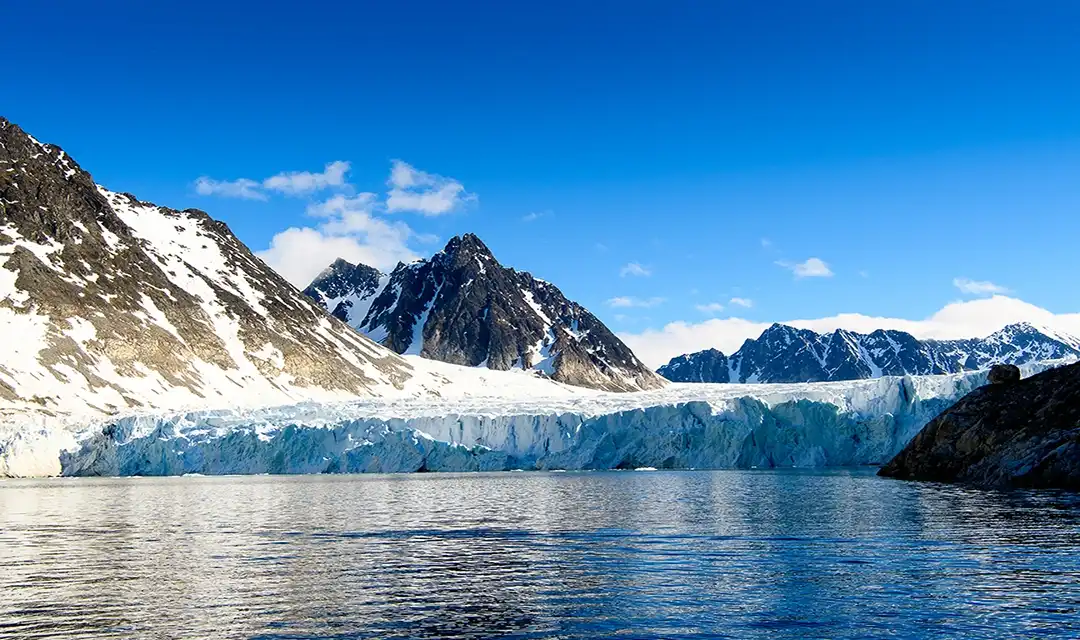
.webp&w=2560&q=75)
Why Choose Travelopod
Travelopod makes every journey seamless, affordable, and unforgettable. Here's why travelers choose us for flights and vacations.
Your Next Adventure Awaits
Meet Our Special Advisors
Our trusted advisors bring decades of expertise to help plan your perfect journey.

Anna
Holiday Expert

Vic
Holiday Expert

Suzane
Holiday Expert
Get Holiday Inspiration & Exclusive Offers
Join our mailing list to receive the latest updates and travel inspiration
We respect your privacy. Unsubscribe at any time.