.webp&w=2560&q=75)
Expedition
Why an Arctic Expedition Should Be on Your Bucket List


The short answer: An Arctic expedition is not a holiday in the conventional sense. It is access to a world that operates on different physical laws, where the sun doesn't set, where the Barents Sea around Svalbard sustains roughly 3,000 polar bears, and where the ship navigates not toward the next port but toward wherever the ice and wildlife lead. For the experienced traveler, the Arctic delivers the one thing the rest of the world cannot: something genuinely, irreducibly rare.
You've Seen the World. But Have You Stood Here?
Think back to the last great trip you took. Kyoto in cherry blossom. The Amalfi coast at golden hour. A tiger sighting in a national park. All extraordinary, and all sharing one quality: they have been witnessed before, posted about before. The route is known. The moment is anticipated.
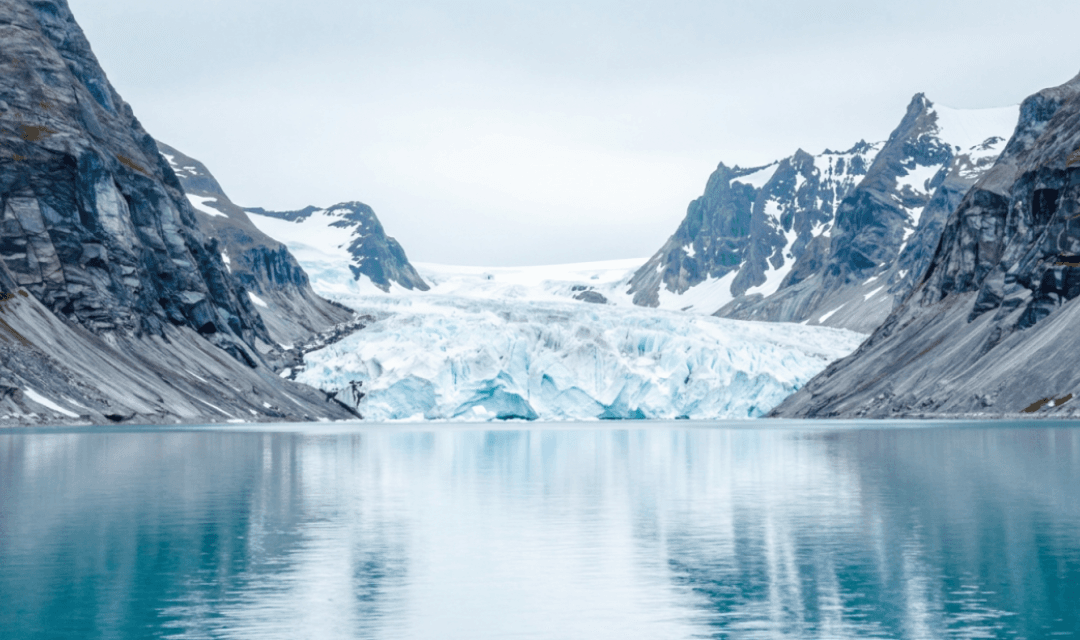
Now picture standing on the deck of a small expedition ship at 2 a.m. as a glacier the height of a building calves into the sea in front of you. The sound arrives a second after the ice falls. Around you, no commentary, no crowd, no signal. Just the realization that you are watching something the planet has been doing, without an audience, since long before the idea of travel existed.
The Arctic doesn't compete with other destinations. It occupies an entirely different register.
A Sky That Refuses the Rules
Most of the world operates on a 24-hour rhythm. The Arctic, in summer, simply doesn't.
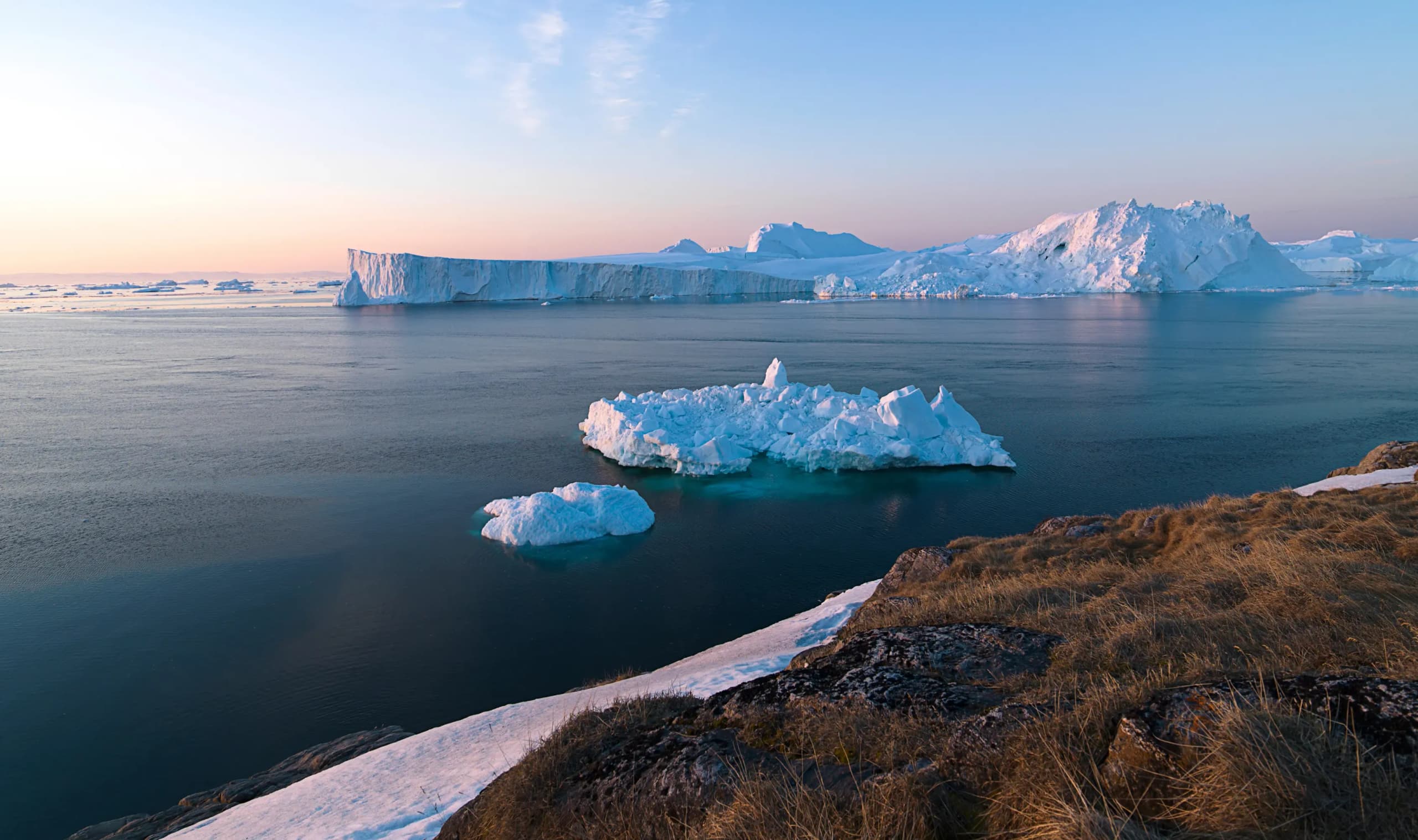
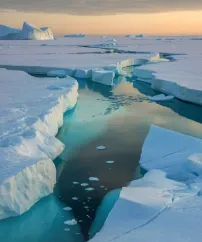
Above the Arctic Circle, the sun stays above the horizon for weeks. It dips and rises through amber and rose and pale gold, painting the sea ice in colors that have no warm-world equivalent. You can stand on deck at midnight and photograph water lit by a sun that should have set hours ago.
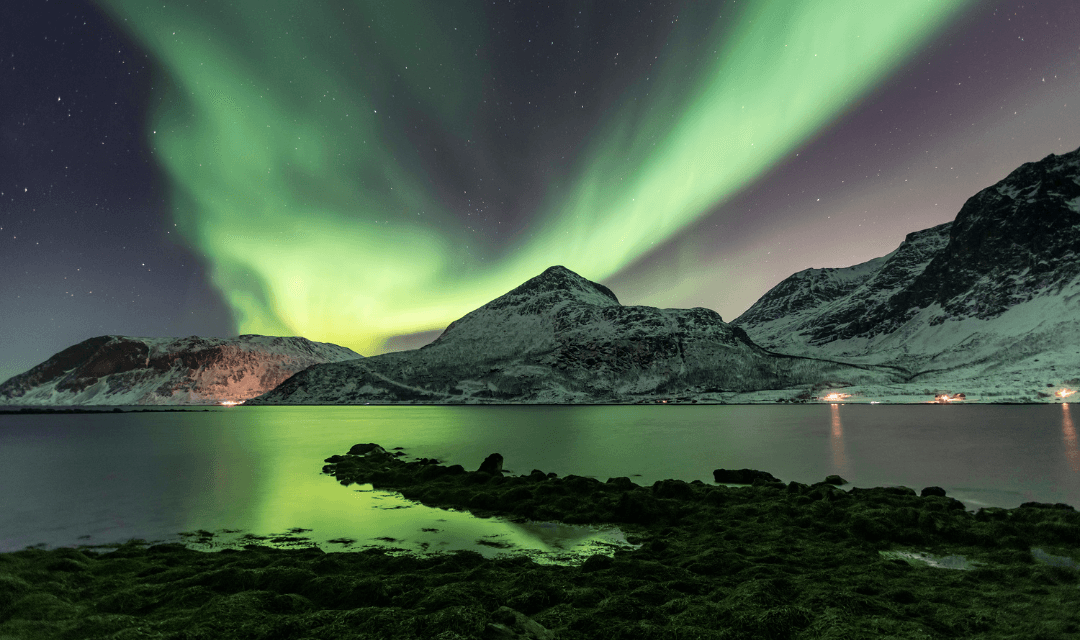
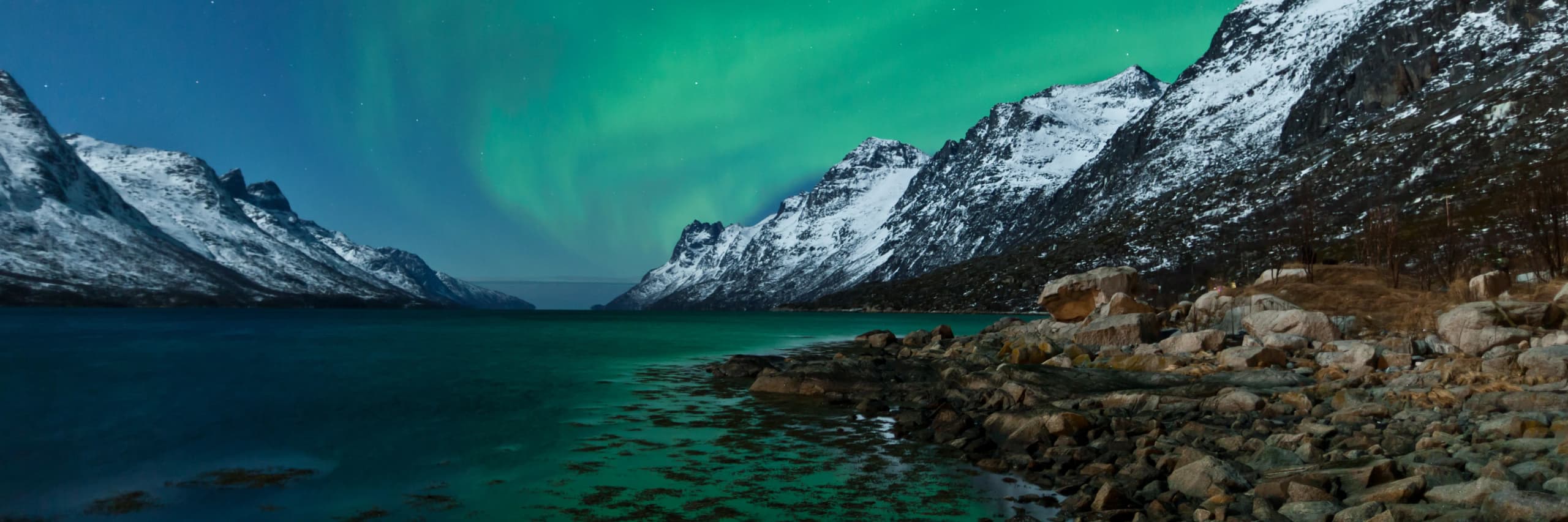
As expeditions push into autumn, the sky transforms again. East Greenland's dark-sky corridors become one of the planet's most under-witnessed theatres for the Northern Lights.
The Wildlife Doesn't Know It's Being Observed
Every great wildlife destination involves a version of the same compromise: the encounter is real, but the conditions are managed. Game drives depart at fixed hours. Sightings are tracked between vehicles. The animal fits into your itinerary.
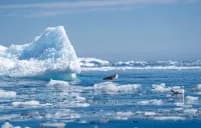
The Arctic resolves this. Here, the expedition team scouts each morning and the captain navigates toward what they have found, not toward a timetable. A polar bear moving along the ice edge. A walrus colony hauled out on a remote shingle beach. A bowhead whale surfacing close enough to hear it exhale.
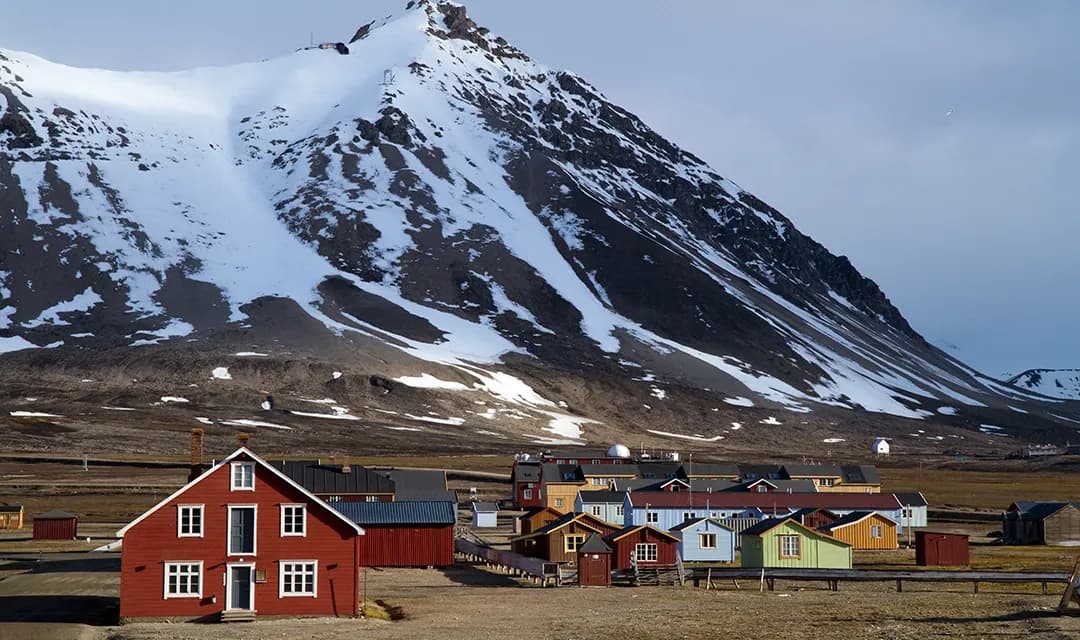
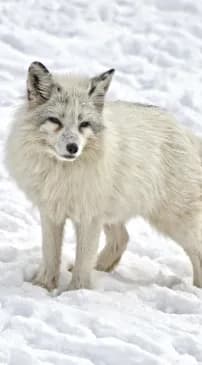
Svalbard, the Norwegian archipelago that anchors many of these voyages, sits at the heart of one of the world's great polar bear strongholds. The Barents Sea region is home to around 3,000 bears. Its waters hold narwhals, those ancient spiral-tusked creatures that exist in almost no zoo photograph. Reindeer graze the tundra. Arctic foxes move between the rocks. In spring, the cliff faces become deafening with the return of thousands of seabirds.
None of it is on a schedule. None of it is guaranteed. The expedition adapts to what the environment offers. That is the entire point.
This Is Not Sightseeing. It Is Participation.
The ship is not the destination. It is the means of access.
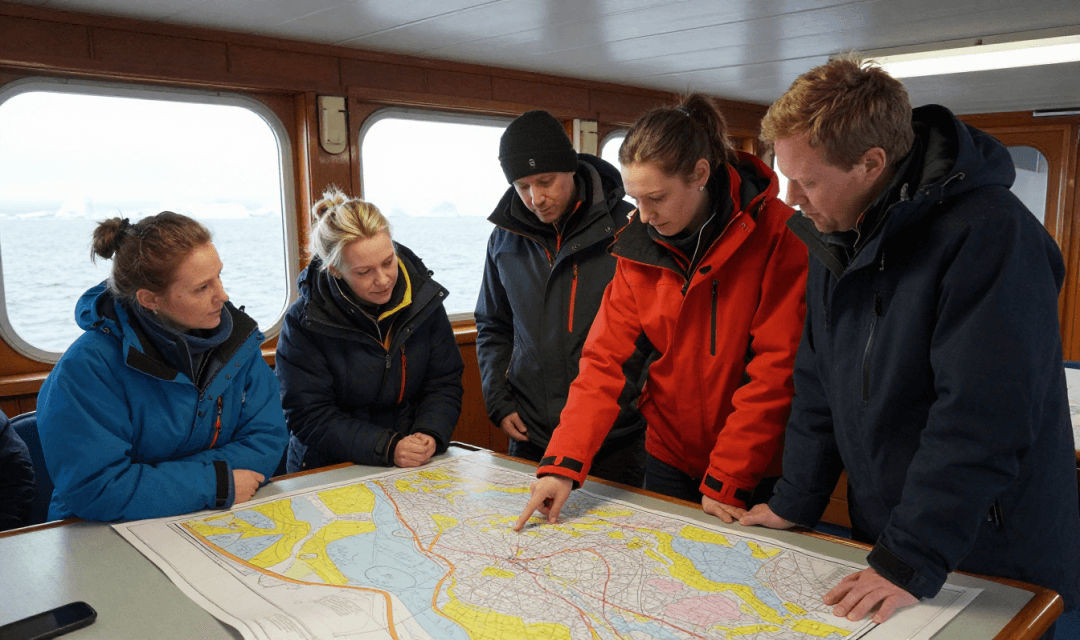
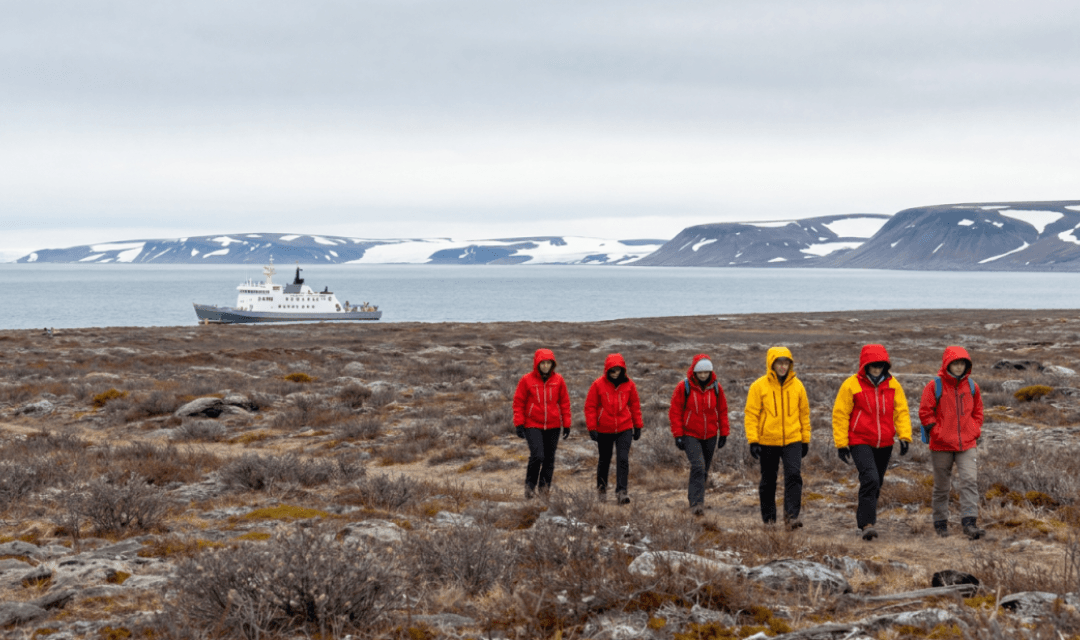
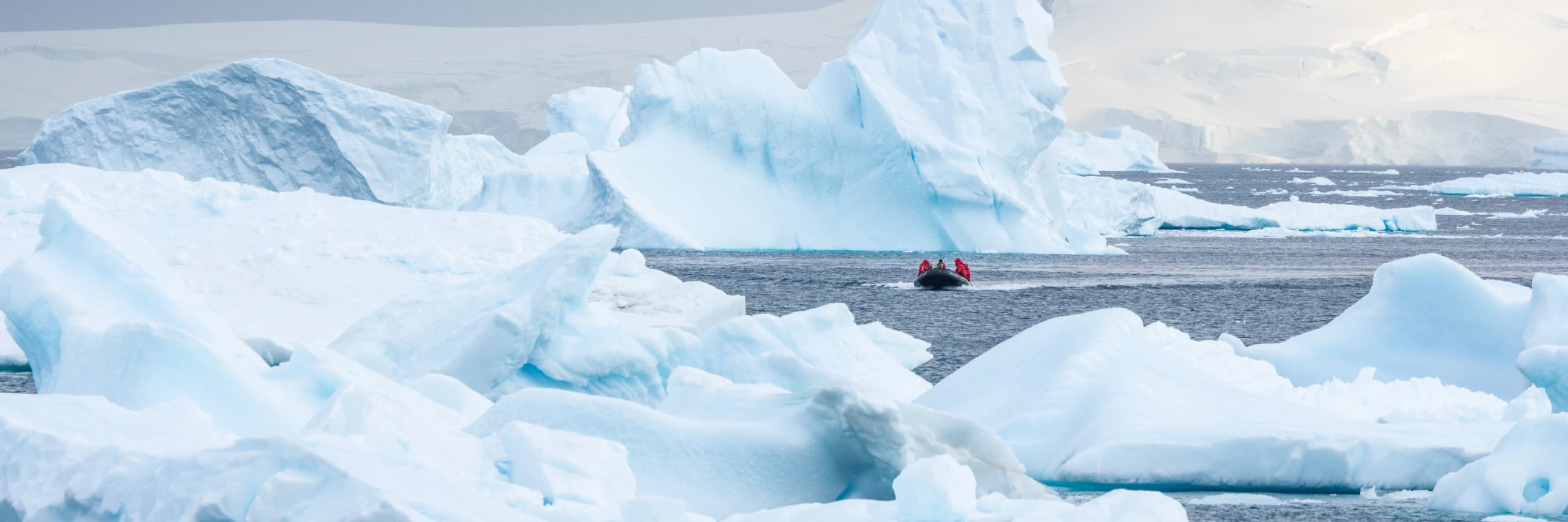
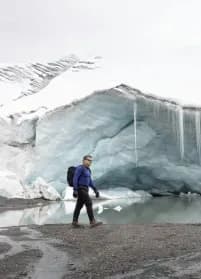
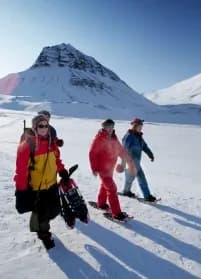
Each morning, you board a Zodiac: a compact craft that can navigate between icebergs, nose into shallow fjords, and land on beaches no road reaches. You step onto tundra. You walk into glacial valleys led by polar biologists, photographers, and historians whose purpose is to deepen what you see.
You do not observe the Arctic from a safe distance. Your boots get wet. Your jacket carries spray from a calving glacier for the rest of the day. Your hands ache from holding the camera in the cold.
The Moments You Will Remember for the Rest of Your Life
Ask someone who has done this what they remember most. It is rarely a day or a destination. It is a specific moment that arrived before they could prepare for it.
Standing on drifting sea ice, the ship a small silhouette half a kilometer away, and understanding the silence not as the absence of sound but as the presence of something older than noise.
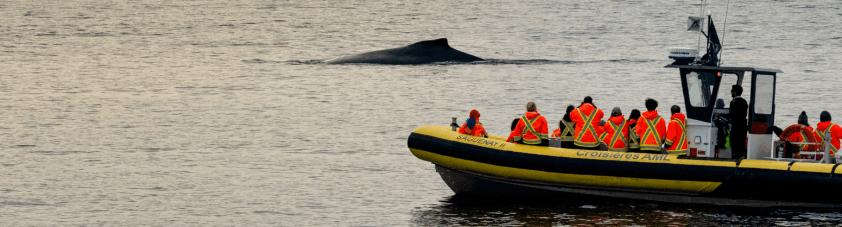
A pod of humpbacks surfacing alongside the Zodiac, the water still heaving long after they have dived. The barnacles on their backs. The smell of their breath.
Kayaking through a corridor of icebergs, ice that formed thousands of years ago, compressed into a blue-white that no paint manufacturer has accurately named, while the Midnight Sun turns the water gold.
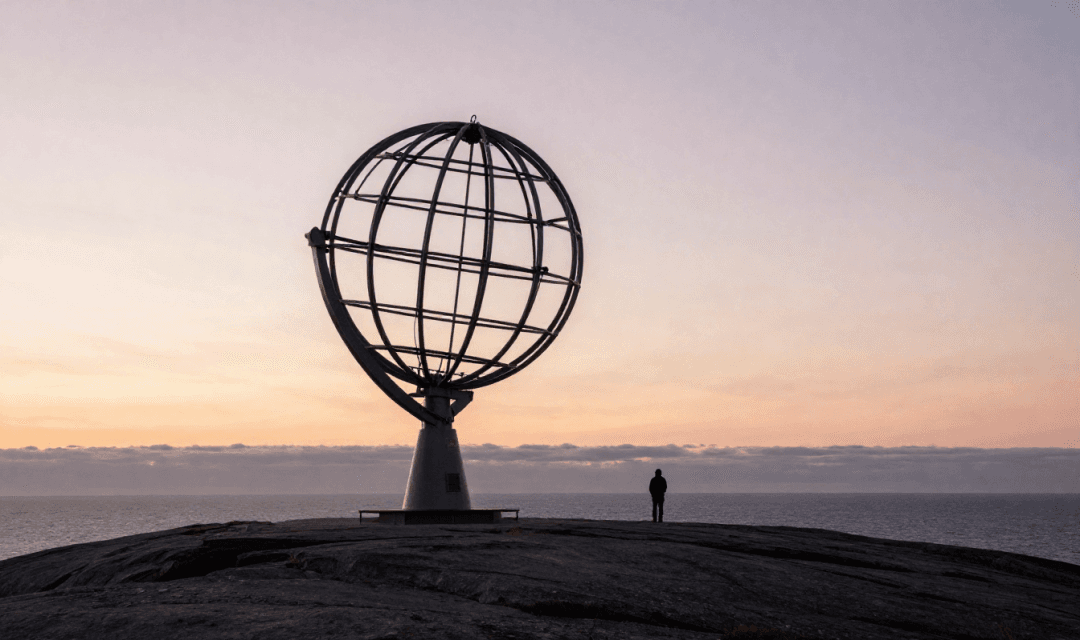
Standing on the North Cape plateau at midnight, with the sun still above the horizon and nothing between you and the North Pole but water and ice and the slow, indifferent turning of the world.
These are not approximations of something else. They are available only here. Only to those who go.
Why Very Few People Will Ever Do This
There is a geographical reality that gives Arctic expeditions their particular weight, and it is worth naming plainly.
Expedition ships carry a fraction of the passengers of a conventional cruise vessel, by design, because the places they reach cannot absorb large numbers. The sailing calendar is finite. The departure points of Longyearbyen in Svalbard and Reykjavík in Iceland are not places that casual tourism passes through. Scoresby Sund, the world's largest fjord system off the coast of East Greenland, receives a number of visitors each year that could fit into a single city block.
This is not artificial scarcity. It is the natural result of geography, remoteness, and a short window during which the ice and the light align.
A very small number of people will stand in these places this year. The question is simply whether you will be among them.
The Arctic Is Unforgiving. Your Ship Is Not.
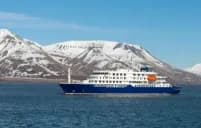
The expedition vessels operate at a level that consistently surprises first-time polar travelers. Suite accommodation. Daily-changing menus. Specialist crew, included excursions, and the quiet competence of a five-star hotel, delivered while you cross 80° North. The exterior is raw. The interior is not. That contrast is part of what makes an Arctic expedition impossible to fully describe when you return.
Travelopod curates Arctic expeditions that combine raw exploration with seamless luxury. Explore journeys into the Arctic few ever reach.
Frequently Asked Questions
Is visiting the Arctic worth it?
For a traveler who has covered most of the world and is searching for something that cannot be replicated, yes. The Arctic isn't about comfort or convenience or even beauty in the conventional sense. It is about scale, silence, genuine remoteness, and wildlife encounters that happen on nature's terms. The people who have done it describe it, consistently, as the journey that made everything before it feel ordinary.
What makes an Arctic expedition different from a regular cruise?
A conventional cruise visits scheduled ports on a published timetable. An Arctic expedition does not. The captain navigates toward wildlife and ice conditions rather than a schedule, and no two days follow the same program. Shore landings and Zodiac excursions are determined by what the environment offers each morning. The crew are scientists, biologists, and historians, not entertainers, and their purpose is to deepen what you see, not perform around it.
What animals can you see on an Arctic expedition?
The Barents Sea region surrounding Svalbard is home to an estimated 3,000 polar bears, one of the world's largest populations of the species. Beyond polar bears, these voyages move through habitat for walruses, reindeer, Arctic foxes, narwhals, bowhead and humpback whales, and, in spring, seabird colonies returning to cliff faces in their thousands. None of it is scripted. The expedition team scouts and the ship navigates toward what has been found, which is precisely what makes these sightings feel wild rather than arranged.
Is an Arctic expedition luxurious?
Yes, emphatically. The vessels are five-star expedition ships with suite accommodation, fine dining, full-service hospitality, spa facilities, and crew-to-guest ratios that match or exceed most luxury land hotels. Excursions, expedition gear, and most amenities are typically included. The proposition is not roughing it in exchange for remarkable scenery. It is remarkable scenery experienced from remarkable surroundings.
See available Arctic expeditions.
The Arctic Waits for Very Few People
Most trips are chosen. The Arctic is earned.
If this feels like your kind of trip, the next step is working out which expedition is right for you: the routes, the seasons, the ships, and what the right choice looks like for the kind of traveler you are.
Read: How to Plan an Arctic Expedition →
Or speak to a Travelopod Arctic specialist directly. No queue, no form. A conversation with someone who has placed travelers on every route in this catalog. Call us at +1-844-354-4809 or write to us at vacations@travelopod.com.
ExclusiveOur Signature Journeys
View All >
Why Choose Travelopod
Travelopod makes every journey seamless, affordable, and unforgettable. Here's why travelers choose us for flights and vacations.
Your Next Adventure Awaits
Meet Our Special Advisors
Our trusted advisors bring decades of expertise to help plan your perfect journey.

Anna
Holiday Expert

Vic
Holiday Expert

Suzane
Holiday Expert
Get Holiday Inspiration & Exclusive Offers
Join our mailing list to receive the latest updates and travel inspiration
We respect your privacy. Unsubscribe at any time.