%20(1).webp&w=2560&q=75)
Expedition
Month-by-Month Guide
When Is the Best Time to Visit Antarctica?


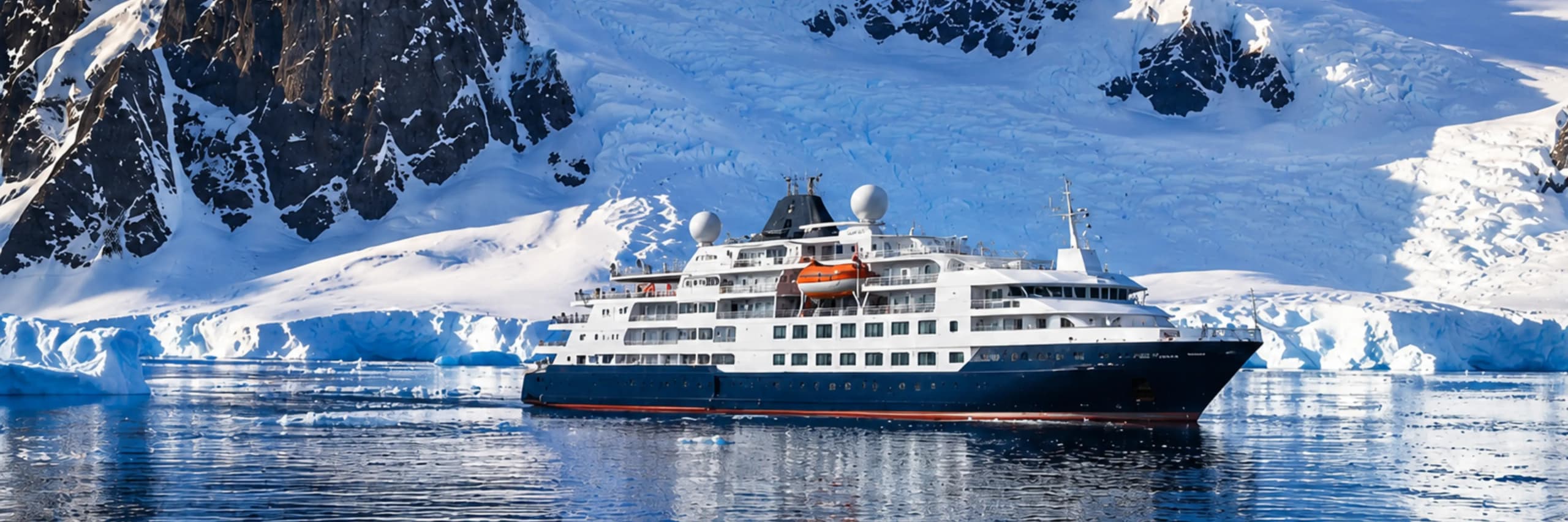
The best time to visit Antarctica depends on the experience you're looking for. Wildlife sightings, your budget, and even the ship you choose can all influence the ideal sailing date. That's why experienced travelers focus less on finding the "best" month and more on finding the right month.
Many first-time Antarctica travelers assume January is the best month. Our advisors often recommend different sailing windows instead.
Wildlife activity, photography opportunities, pricing, and the style of Antarctica cruise you choose can all influence which departure makes the most sense.
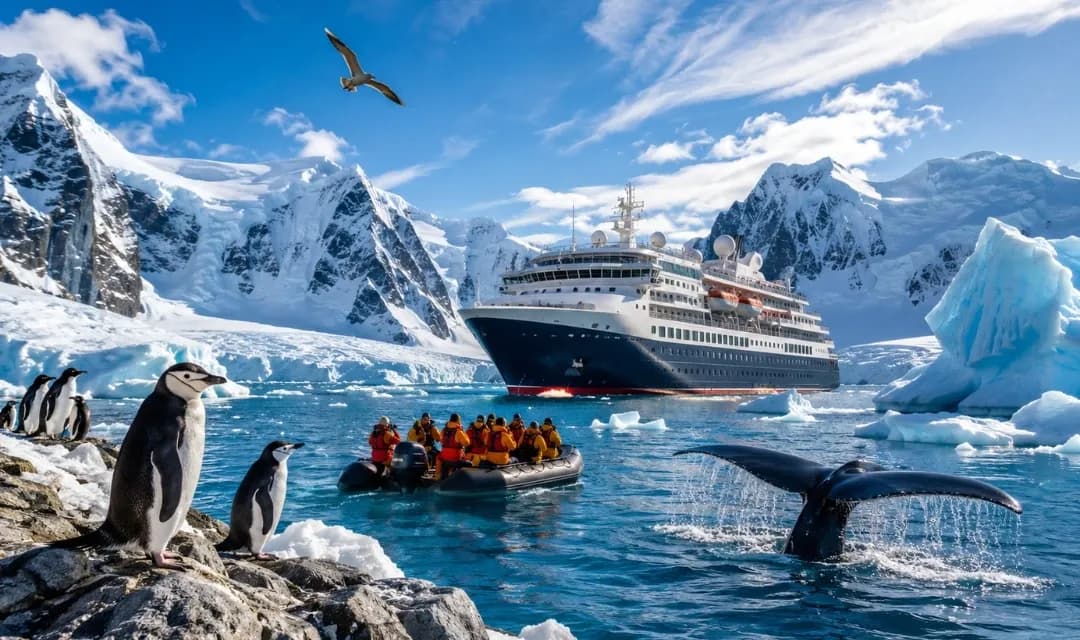
Someone focused on whale watching often prefers February, while photographers tend to favor the dramatic light and lower ship traffic later in the season. The "best" month isn't universal. It's the month that aligns with what matters most to you.
Not sure which month fits your travel goals? Our polar travel specialists help you narrow your options based on the wildlife, scenery, and experiences that matter most to you.
Best Months by Traveler Goal
Month | Best For |
November | Fresh snow, pristine landscapes, fewer ships |
December | First-time visitors, balanced conditions |
January | Penguin chicks and peak wildlife colonies |
February | Whale watching and rich marine life |
March | Photography, fewer crowds, better value |
Antarctica's Cruise Season at a Glance
Antarctica expedition cruises operate during a short travel season, from November through March. Each month offers different wildlife activity, weather conditions, daylight hours, and pricing opportunities, which is why choosing the right sailing window is an important part of the planning process.
Best Time to Visit Antarctica: A Month-by-Month Breakdown
If you're wondering about the best time to visit Antarctica, the answer depends on what you want to experience. The Antarctica season runs from November through March, and each month offers a different mix of wildlife activity, weather conditions, sea ice, daylight hours, and pricing.
Before choosing a departure, consider what matters most to you:
- What wildlife you want to see
- Whether photography is a priority
- Your budget and travel flexibility
- The type of experience you're looking for
The guide below breaks down what you can expect each month, along with the benefits, trade-offs, and traveler profiles best suited to each sailing period.
Let's start with November, the beginning of Antarctica's expedition season.
ANTARCTICA IN NOVEMBER: BEST FOR FRESH SNOW AND EARLY-SEASON SCENERY
Quick Snapshot
- Best for: Photographers and scenery lovers
- Wildlife: Early penguin nesting activity
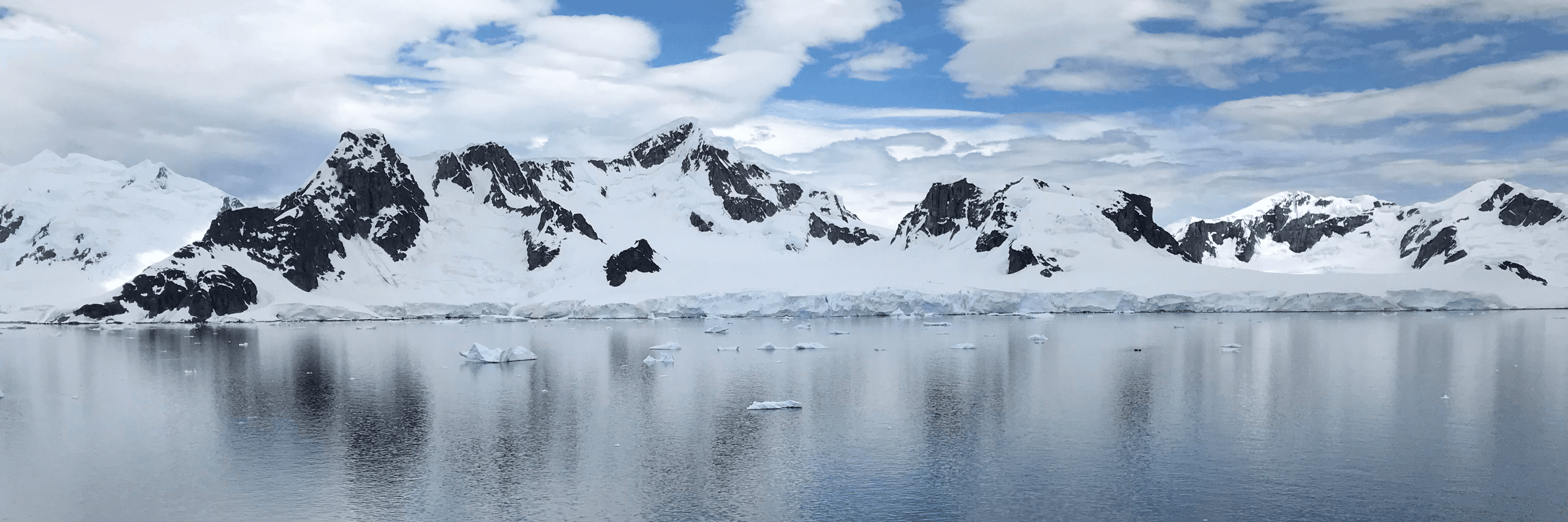
- Scenery: Pristine snow-covered landscapes and crystal-clear icebergs
- Crowds: Lower
- Pricing: Moderate
Why Travel to Antarctica in November?
Fresh snow blankets the landscape, sea ice remains prominent, and many landing sites feel untouched compared to later months. The scenery is often at its most dramatic, which makes it a favorite time for photographers and travelers. Wildlife activity begins to increase as penguins return to nesting colonies and seabirds become more active. While whale sightings are still relatively limited, the combination of blue ice formations, bright snow, and fewer ships creates exceptional photography opportunities.
Things to Consider
- Whale sightings are less common than later in the season
- Some areas may remain inaccessible because of sea ice
Expert Insight
November often appeals to travelers who prioritize landscapes over wildlife. If your goal is to see Antarctica looking wild, remote, and untouched, this can be one of the most rewarding months to visit.
At Travelopod, our Antarctica specialists often recommend November departures to travelers who prioritize pristine scenery and fewer ships.
ANTARCTICA IN DECEMBER: BEST FOR FIRST-TIME VISITORS
- Best for: First-time Antarctica travelers
- Wildlife: Active penguin colonies and nesting season
- Scenery: Spectacular glaciers, floating icebergs, and iconic Antarctic landscapes
- Crowds: Moderate
- Pricing: Higher demand
Why Travel to Antarctica in December?
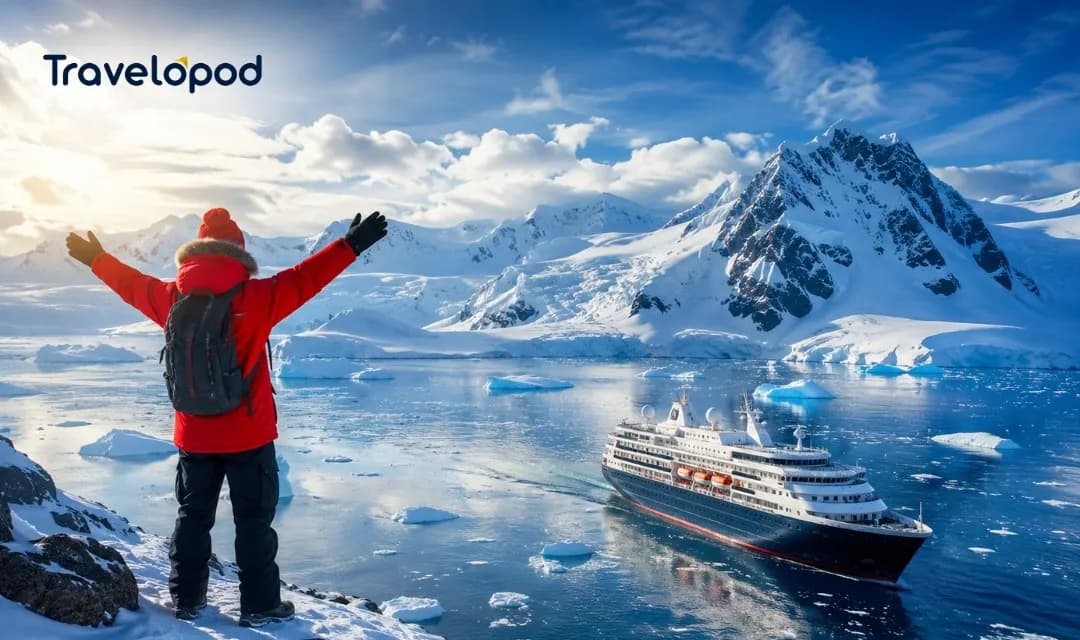
December is one of the most balanced months of the season. It offers a perfect blend of excellent weather conditions, long daylight hours, and growing wildlife activity. It’s a month when penguin colonies become increasingly active. Many travelers find this period an ideal mix of scenery and wildlife encounters.
With up to 20 hours of daylight in some regions, expedition teams have greater flexibility for landings, zodiac excursions, and wildlife viewing opportunities. Sea ice continues to open, allowing ships access to more areas of the Antarctic Peninsula.
It's often the month we recommend to travelers who want to experience a little of everything rather than focus on one specific highlight.
Things to Consider
- Holiday departures often sell out early
- Peak-season demand can raise pricing
Expert Insight
December is often the easiest month to recommend. It offers a balanced mix of wildlife, scenery, and favorable conditions. You don't have to prioritize one experience over another.
ANTARCTICA IN JANUARY: BEST FOR PEAK PENGUIN ACTIVITY
Quick Snapshot
- Best for: Wildlife enthusiasts
- Wildlife: Peak penguin activity
- Scenery: Glacier-filled bays,striking blue icebergs, and scenic polar waterways
- Crowds: Highest
- Pricing: Peak season
Why Travel to Antarctica in January?
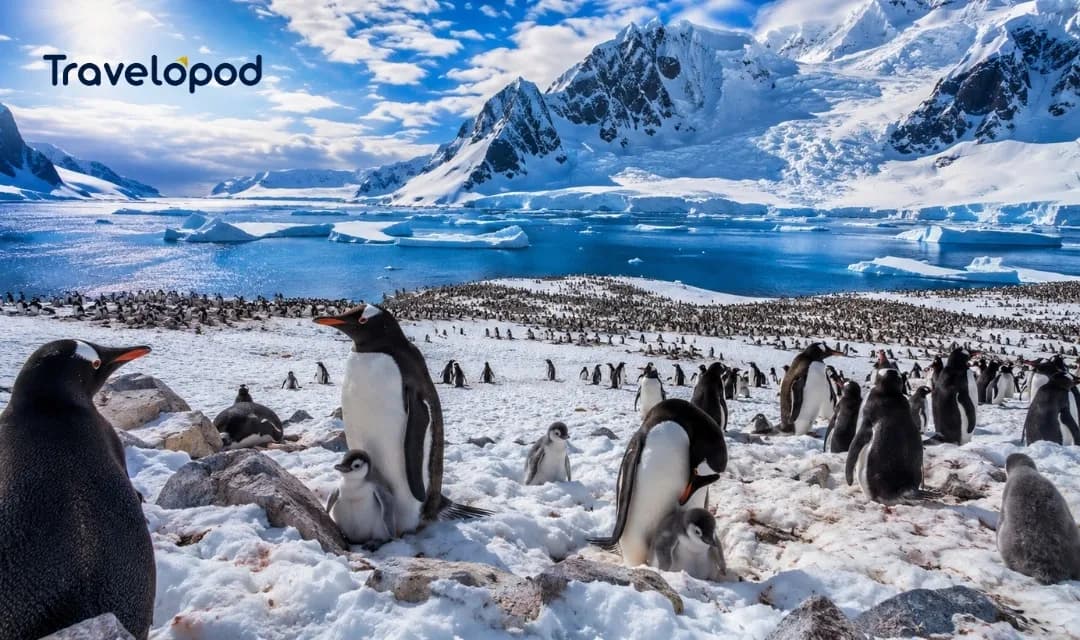
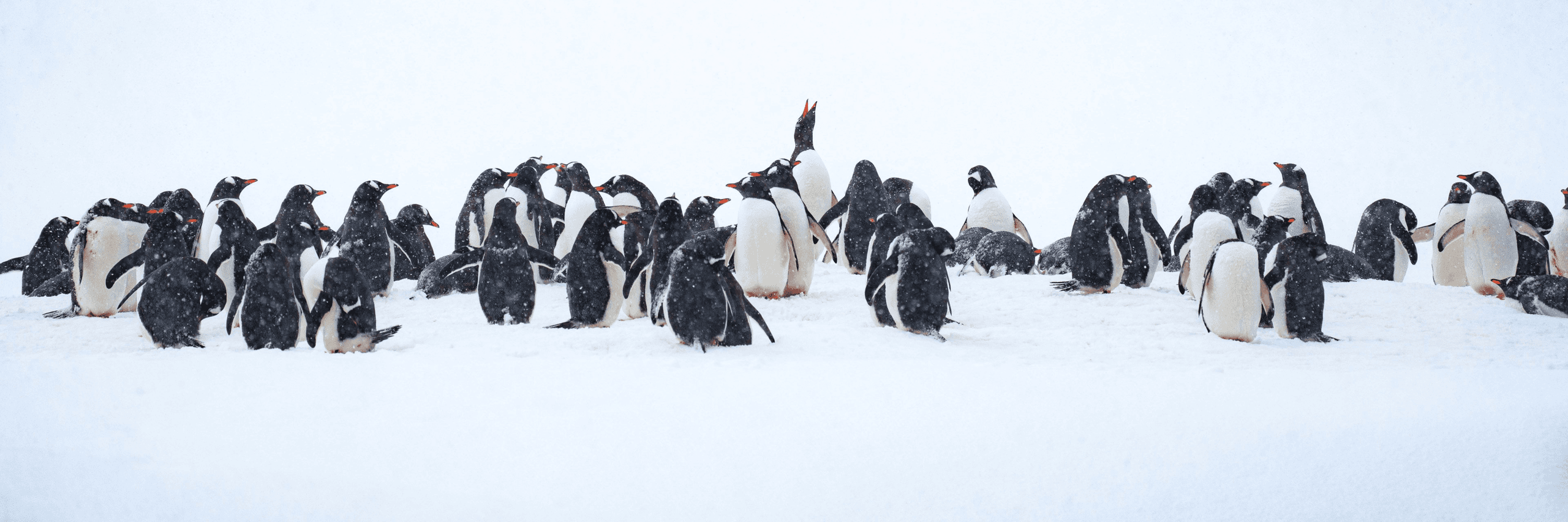
January is the warmest month of the Antarctic season, with temperatures often climbing into the high 30s and low 40s Fahrenheit. Penguin colonies are at their liveliest as chicks hatch, parents feed their young, and nesting sites buzz with activity.
Seal sightings are common, and favorable conditions often support frequent expedition landings. It’s the best month for travelers who want to experience Antarctica's busiest and most active penguin colonies.
Things to Consider
- Higher demand means less availability
- Popular departures often command premium pricing
Expert Insight
If penguin colonies are your priority during your visit to Antarctica, January is difficult to beat. Travelers willing to book well in advance often gain the widest selection of ships and cabin categories.
ANTARCTICA IN FEBRUARY: BEST FOR WHALE WATCHING
Quick Snapshot
- Best for: Whale watchers and wildlife photographers
- Wildlife: Peak whale activity
- Scenery: Less snow, more open water and icebergs
- Crowds: Moderate
- Pricing: Competitive
Why Travel to Antarctica in February?
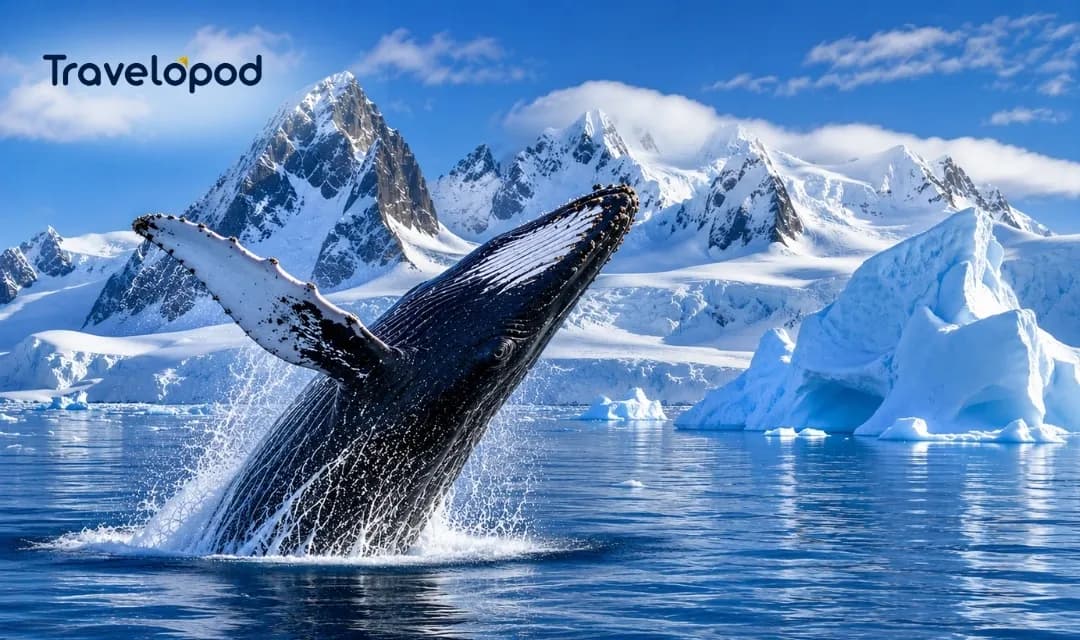
Many Antarctica specialists rate February as one of the strongest months of the season. By this point, sea ice has retreated significantly, revealing open waters dotted with towering icebergs. The scenery shifts noticeably from the pristine snow-covered landscapes of early November, offering a different but equally spectacular perspective. Retreating sea ice also brings whales closer to expedition routes, making sightings far more frequent.
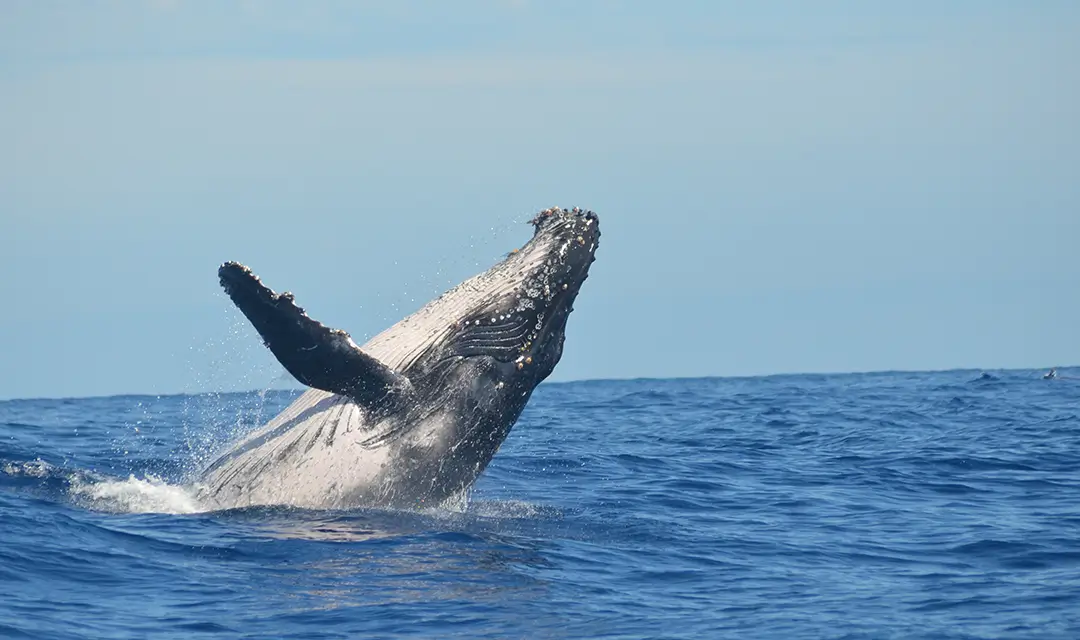
Humpback, minke, and orca sightings become common as pods feed heavily on krill before migrating north. Penguin chicks are bigger, more mobile, and starting to fledge. Fur seal pups grow bolder and more visible onshore.
Ship traffic runs moderate compared to January — shorter zodiac queues, more space at landing sites. Pricing typically sits below the peak holiday sailings of late December and early January, making February a strong value window if wildlife is your priority over pristine scenery.
Things to Consider
- Snow-covered landscapes are less visible than in the early season
- Popular wildlife-focused departures can still fill quickly
Expert Insight
If wildlife is your priority, February is often the best month to visit Antarctica. It offers some of the season's richest wildlife encounters.
ANTARCTICA IN MARCH: BEST FOR PHOTOGRAPHY AND VALUE
Quick Snapshot
- Best for: Photographers and value-focused travelers
- Wildlife: Excellent whale sightings
- Scenery: Dramatic autumn light,early-forming sea ice, and photogenic polar landscapes
- Crowds: Lower
- Pricing: Often better value
Why Travel to Antarctica in March?
March is the final month of Antarctica's cruise season, and the shift is noticeable. Ships thin out, landings feel quieter, and the rush of peak summer gives way to a slower pace.
The lower angle of the sun creates dramatic lighting conditions that many photographers prefer. By now, penguin chicks have mostly fledged and headed to sea, so colonies are smaller. But leopard seals patrol the shoreline more actively, hunting near what's left of the rookeries.
March offers attractive pricing opportunities compared to peak-season sailings, which makes it worth considering for those seeking greater value.
Things to Consider
- Colder temperatures compared to January
- Some wildlife activity is on the rise toward the season's end
Expert Insight
Many first-time travelers overlook March. Experienced Antarctica travelers often choose it for its excellent whale sightings and fewer crowds.
March rarely gets the same attention as January or February, yet many experienced travelers choose it for exactly that reason. Fewer expedition ships, beautiful late-season light, and excellent whale sightings often create a more peaceful and rewarding experience than many people expect.
Key Takeaway: There isn't one best time to visit Antarctica for every traveler. The ideal departure depends on your priorities — wildlife, photography, scenery, budget, or the kind of expedition experience you're after. The next step is to understand which Antarctica sailing window suits your travel style.
Still deciding between January and February? Our travel specialists help travelers compare departure dates, wildlife opportunities, and cruise operators to find the right fit.
Which Antarctica Month Is Right for Your Travel Style?
There's no single best month to visit Antarctica. The right month depends on what matters most to you. Use this guide to find the departure that best matches your travel style.
- All-around Antarctica Experience
Recommended: December
December offers the most reliable travel conditions for first-time visitors. Days are long, the weather is stable, the wildlife is highly active, and the widest choice of ships and cabins. It's the easiest entry point into Antarctica, even if it means paying peak-season prices. - Wildlife Lovers
Recommended: January for penguins • February for whales
You can choose January to watch active penguin colonies and newly hatched chicks. February is the best month for whale watching. Retreating sea ice also opens landing sites that are harder to reach earlier in the season.
“We rarely recommend a departure based on the calendar alone. We start by understanding what you want most from your trip. If whale watching is your top priority, we usually recommend February. If active penguin colonies are at the top of your list, January is often the better choice.”
Compare Antarctica Months by Experience
Not sure which month is right for you? The table below compares each month across the experiences travelers ask about most.
Experience | Nov | Dec | Jan | Feb | Mar |
Fresh Snow | ⭐⭐⭐⭐⭐ | ⭐⭐⭐⭐☆ | ⭐⭐⭐☆☆ | ⭐⭐☆☆☆ | ⭐☆☆☆☆ |
Penguin Activity | ⭐⭐☆☆☆ | ⭐⭐⭐⭐☆ | ⭐⭐⭐⭐⭐ | ⭐⭐⭐⭐☆ | ⭐⭐☆☆☆ |
Whale Watching | ⭐☆☆☆☆ | ⭐⭐☆☆☆ | ⭐⭐⭐☆☆ | ⭐⭐⭐⭐⭐ | ⭐⭐⭐⭐☆ |
Photography | ⭐⭐⭐⭐⭐ | ⭐⭐⭐⭐☆ | ⭐⭐⭐⭐☆ | ⭐⭐⭐⭐☆ | ⭐⭐⭐⭐⭐ |
Fewer Crowds | ⭐⭐⭐⭐⭐ | ⭐⭐⭐☆☆ | ⭐⭐☆☆☆ | ⭐⭐⭐☆☆ | ⭐⭐⭐⭐⭐ |
Value | ⭐⭐⭐⭐☆ | ⭐⭐☆☆☆ | ⭐⭐☆☆☆ | ⭐⭐⭐☆☆ | ⭐⭐⭐⭐⭐ |
We had words with the developer regarding the table you suggested. He said that the one I added above would fit better than the previous one.
- Photographers
Photography Goal | Best Time | Why |
Fresh snow and untouched landscapes | November | Pristine white scenery, dramatic ice formations, fewer footprints and ships |
Penguins with chicks | January | Colonies are at their busiest with newly hatched chicks and lots of activity |
Whales breaching and feeding | February | Peak whale activity as humpbacks, minkes, and orcas feed in Antarctic waters |
Golden light and dramatic landscapes | March | Lower sun angle creates softer light, richer colors, and more atmospheric scenes |
Icebergs and blue ice | November–December | Larger sea ice and freshly sculpted ice formations early in the season |
Wildlife close-ups | January–February | Highest concentration of active wildlife both on land and in the water |
Every month offers exceptional photography, but the subjects change throughout the season. If photography is one of your priorities, explore our detailed guide to choosing the best month for different photography goals.
Antarctica Cruise vs Antarctic Circle Fly Cruise
One question we hear often is, "Should I take the cruise or the fly cruise?" The answer varies depending on how you want to experience Antarctica.
Travelers deciding between an Antarctic Circle fly cruise and a traditional Antarctica cruise often prioritize vacation time, comfort with sea crossings, and the kind of expedition they want.
Before we recommend either option, we usually ask three questions:
- How many vacation days do you have?
- Are you comfortable crossing the Drake Passage?
- Is your priority the journey itself or spending more time in Antarctica?
Your answers usually make the right choice much clearer.
Use the comparison below to see which option better matches your travel style.
Here's how we usually help travelers decide.
Traditional Antarctica Cruise | Antarctic Circle Fly Cruise |
Crosses Drake Passage | Flies over Drake Passage |
Longer itinerary | Shorter itinerary |
Lower cost | Higher cost |
More sea days | More time in Antarctica |
Which option is right for you?
The right choice depends on your travel style, available vacation time, and comfort with sea crossings. A traditional Antarctica cruise suits travelers who enjoy the full expedition experience and don't mind crossing the Drake Passage. A fly cruise is often a better fit if you have limited vacation time or prefer to avoid two days at sea each way.
Why We Recommend Different Options
“Travelers often assume a fly cruise is always the better option because it skips the Drake Passage. That's not always true. Some travelers consider the Drake Passage part of the Antarctica adventure, while others prefer spending more time on land. We rarely recommend one option based on popularity. We help you compare both options before you book. So you choose the itinerary that fits your travel style—not just the one that sounds appealing.
Not All Antarctica Operators Offer the Same Experience
How to Compare Antarctica Operators Before You Book
Many Antarctica itineraries visit the same destinations, but the onboard experience can be very different. Before you book, compare more than the itinerary. The details below often have the biggest impact on your overall trip.
What to Compare | Look For | Why It Matters |
Ship Size | Small or large expedition ship | Shapes the onboard atmosphere and expedition style. |
Passenger Capacity | Number of guests | Fewer than 200 passengers can improve opportunities for up to two daily landings. |
Itinerary & Route | Peninsula, Antarctic Circle, South Georgia | Determines where you'll go and how long you'll spend exploring. |
Landing Opportunities | Planned shore landings | Shore activities vary by itinerary, weather, and expedition planning. |
Expedition Team | Naturalists, marine biologists, historians | Expert guides make wildlife encounters and landings more meaningful. |
Included Experiences | Kayaking, camping, photography workshops | Included activities vary between operators and affect overall value. |
Choose an operator based on your priorities, itinerary, and the experiences included in the expedition—not just the price. Comparing these details before you book often leads to a better overall experience.
Expert Insight
We look beyond the price. We compare the itinerary, ship quality, cabin category, included excursions, and departure date before recommending an option. A slightly higher fare can often deliver a much better overall experience.
When Is the Cheapest Time to Visit Antarctica?
There's no single way to save on an Antarctica trip. Your price depends on when you book and when you travel. Those two decisions affect your final cost in different ways.
Option | What You Should Know |
November Departures | Often 10–20% cheaper than peak season. Ideal for travelers who prioritize scenery and fewer ships. |
March Departures | Frequently 10–20% below peak rates, with strong whale activity and lower demand driving the savings. |
Shoulder-Season Sailings | Early November and late March departures often balance value, wildlife, and availability. |
Last-minute Opportunities | Occasionally available, but shrinking each year as ship capacity tightens — cabin and ship choice is usually limited to whatever's left. |
Early Booking Advantages | Booking 10–12 months before provides access to the best cabin selection and the deepest discounts, often 25–35% off standard rates. |
Prices also vary between operators based on the ship, cabin category, included excursions, and itinerary. Comparing these details—not just the headline fare—often reveals the best overall value.
Why Booking Early Often Pays Off
Last-minute deals were once more common for Antarctica expeditions. Today, many popular departures sell out much earlier. Demand for Antarctica expeditions has grown steadily, while cabins on smaller expedition ships remain limited. As a result, many popular departures now sell out much earlier than they once did.
If you're chasing the lowest possible fare and you're flexible on dates, shoulder-season departures often offer the best balance of price, ship choice, and availability.
We'll help you understand what's included in the fare, identify where paying a little more makes sense, and avoid spending extra on features you may not need. We’ll explore current offers to help you find the best overall value. And not just the lowest advertised fare.
Expert Insight
By now, you've seen that every Antarctica sailing month offers something different. The next step is making sure the ship and itinerary match the experience you're hoping to have.
That's why we look beyond the price. We compare operators, itineraries, expedition teams, cabin categories, included excursions, and sailing dates before recommending an expedition, because the best choice isn't always the most expensive or the most popular. It's the one that's the right fit for you.
If you'd like help comparing your options, our Antarctica specialists are happy to walk you through the trade-offs and help you choose the expedition that best matches your travel style. Call Travelopod at 1-800-674-7778.
FAQs
What is the best month to visit Antarctica?
There isn't one best month to visit Antarctica for everyone. The ideal time depends on what you want to experience. November offers fresh snow and pristine scenery. December is ideal for first-time visitors. January is best for active penguin colonies, while February is the top choice for whale watching. March suits photographers and travelers looking for fewer crowds and better value.
Is November the best time to visit Antarctica?
Yes, November is an excellent choice if you want fresh snow, dramatic landscapes, and fewer expedition ships. Penguin courtship and nesting begin during this month, although whale sightings are less common than later in the season.
When can you see whales in Antarctica?
The best time to see whales in Antarctica is from February through March. During this period, humpback, minke, and orca sightings are common as whales feed in Antarctic waters. February is usually the best choice if whale watching is your top priority.
Is an Antarctic Circle fly cruise worth it?
Yes, if you want to avoid crossing the Drake Passage or have limited vacation time. Although it costs more than a traditional Antarctica cruise, it lets you spend more time exploring Antarctica instead of sailing across the Southern Ocean.
How far in advance should I book an Antarctica cruise?
Book your Antarctica cruise 10 to 12 months in advance whenever possible. Early booking gives you the best choice of ships, cabins, and departure dates. Popular expedition ships and premium suites often sell out well before the sailing season begins.
What is the cheapest time to visit Antarctica?
Early November and late March usually offer the best value. These shoulder-season departures are often priced below peak-season sailings while still providing excellent wildlife experiences. Booking early generally offers better fares and cabin availability than waiting for last-minute deals.
Should I avoid expedition ships with more than 200 passengers?
Not necessarily, but passenger capacity is worth considering. Ships with fewer than 200 guests often have better opportunities for up to two shore landings a day because Zodiac operations are generally more efficient. Daily landings still depend on weather, sea conditions, and expedition planning. Compare the entire expedition—including the itinerary, expedition team, and onboard experience—not just the ship size.
Is the Drake Passage worth experiencing?
It depends on your travel style. Many travelers consider crossing the Drake Passage part of the Antarctica adventure. Others prefer flying over it to maximize their time on the continent and avoid two days at sea each way. The right choice depends on your vacation time, comfort with sea crossings, and whether you value the journey itself or spending more time exploring Antarctica.
ExclusiveOur Signature Journeys
View All >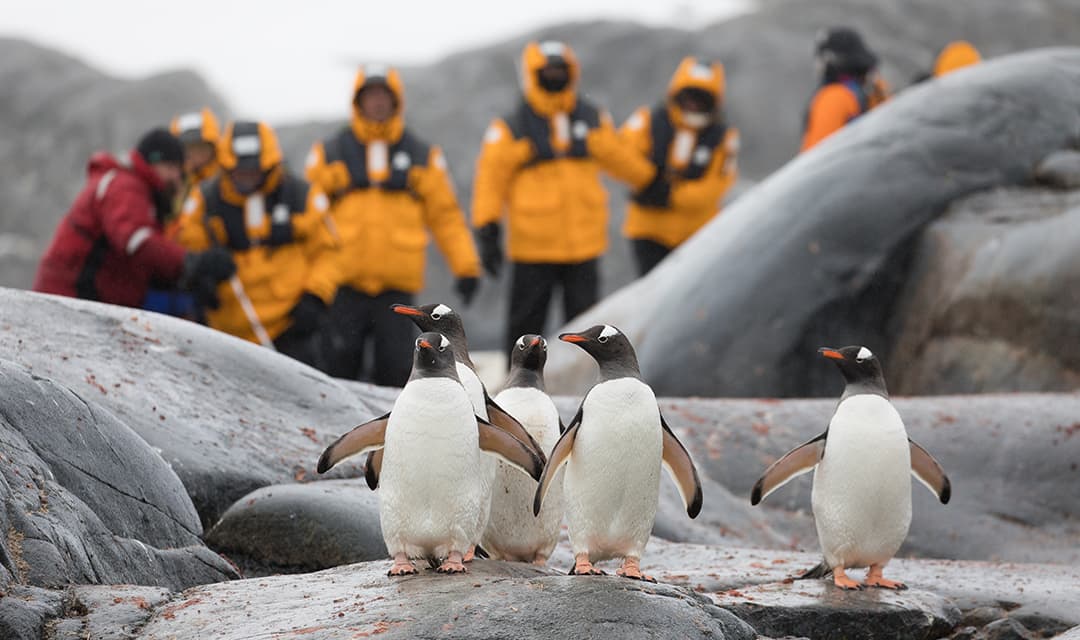
.webp&w=2560&q=75)
Why Choose Travelopod
Travelopod makes every journey seamless, affordable, and unforgettable. Here's why travelers choose us for flights and vacations.
Meet Our Special Advisors
Our trusted advisors bring decades of expertise to help plan your perfect journey.

Anna
Holiday Expert

Vic
Holiday Expert

Suzane
Holiday Expert
Get Holiday Inspiration & Exclusive Offers
Join our mailing list to receive the latest updates and travel inspiration
We respect your privacy. Unsubscribe at any time.