Expedition
What It's Really Like to Travel to Antarctica


“We shall not cease from exploration, And the end of all our exploring, Will be to arrive where we started, And know the place for the first time.
— T.S. Eliot
Antarctica is not a destination you stumble into. You plan for it. You think about it for months — sometimes years — before you go. And when you finally stand on that ice, looking at a horizon you couldn't have imagined, you understand exactly why.
We wrote this guide for travellers seriously considering Antarctica. What the continent is about, what you can expect, what it looks like day to day, what surprises people, what concerns are worth having (and which aren't), and how to decide if this is the right journey for you.
No fluff. Just what you need to know.
The Quick Overview
• Antarctica trips are expedition cruises, not traditional holidays
• Most trips run 10-14 days from Ushuaia, Argentina or Punta Arenas, Chile
• You go ashore by inflatable Zodiac boats, typically twice a day
• Wildlife includes penguins, humpback whales, leopard seals, and albatross
• Getting there means crossing the Drake Passage (2 days each way) — or flying to skip it
• Season runs November to March only
• Book 8–12 months in advance; popular sailings sell out faster
• Travelopod's Antarctica expeditions start from $9,269 per person — price varies by ship, cabin category, and departure. Check out the detailed itineraries.
.png&w=2560&q=75)
Month | Pricing | What To Know |
November | Lower | Great Value; premium cabins still go first |
December | High | Holiday premium; book 12-14 months out |
January | Highest | Peak demand; small ships sell out fast |
February | Moderate-High | Whale season drives strong demand |
March | Lower | Late season value; some genuinely excellent deals |
How Antarctica Trips Actually Work
Antarctica is not a port you dock into. There are no hotels, no airports, no infrastructure for tourists. Every trip is run by an expedition ship carrying between 50 and 200 passengers, staffed by a team of naturalists, ornithologists, marine biologists, and polar historians.
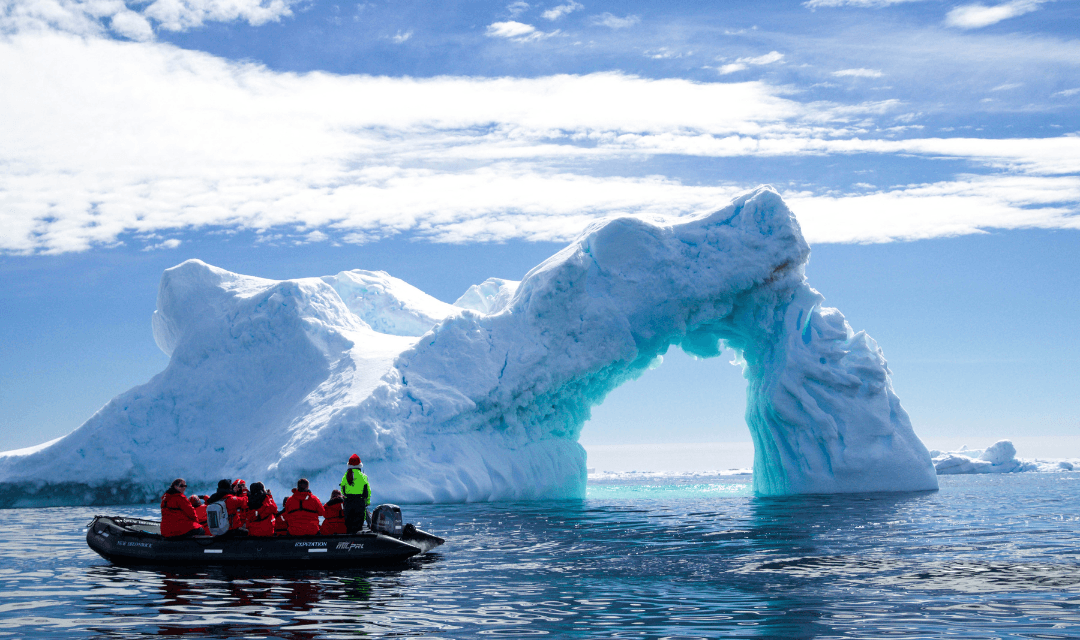
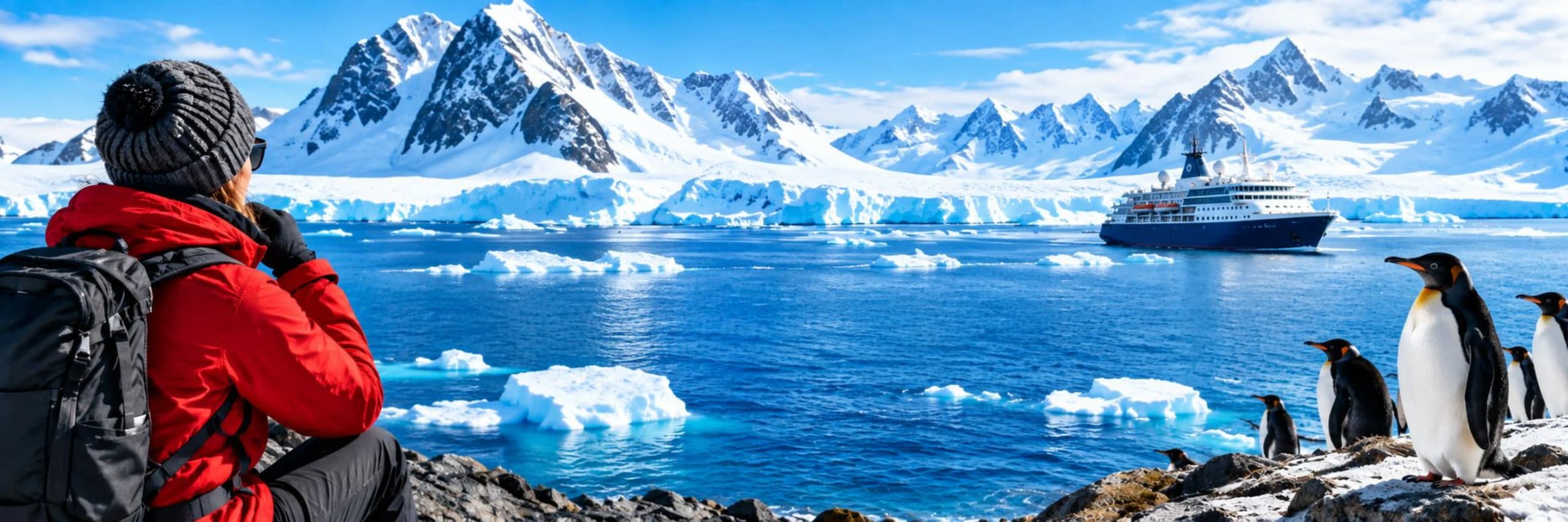
The ship is your base through the course of your trip. Every morning, the expedition team assesses conditions — weather, ice, wildlife activity — and decides where you're going. There is no fixed daily schedule. If a pod of orcas appears off the starboard side, the Zodiac launches. (A Zodiac is an inflatable rubber boat that ferries groups of 10–12 passengers each, to shore). If conditions are right to push further south, you push further south. This flexibility is what makes this trip unique.
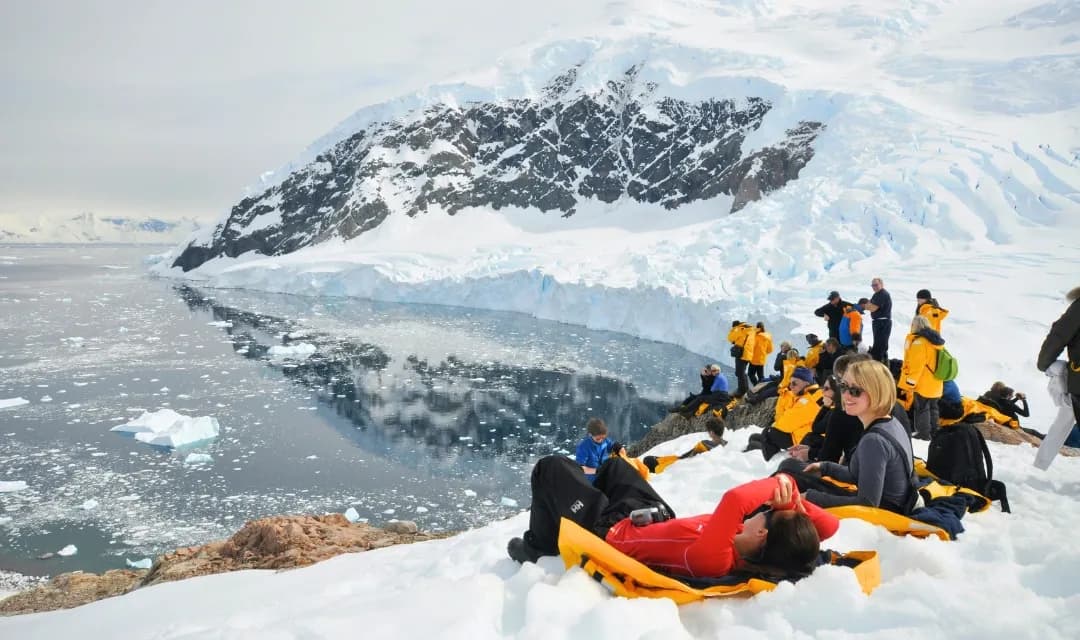
Landings happen by Zodiac. You wear waterproof boots, a parka, and a lifejacket. You may step off into ankle-deep Antarctic water (usually very briefly) and then onto the continent itself.
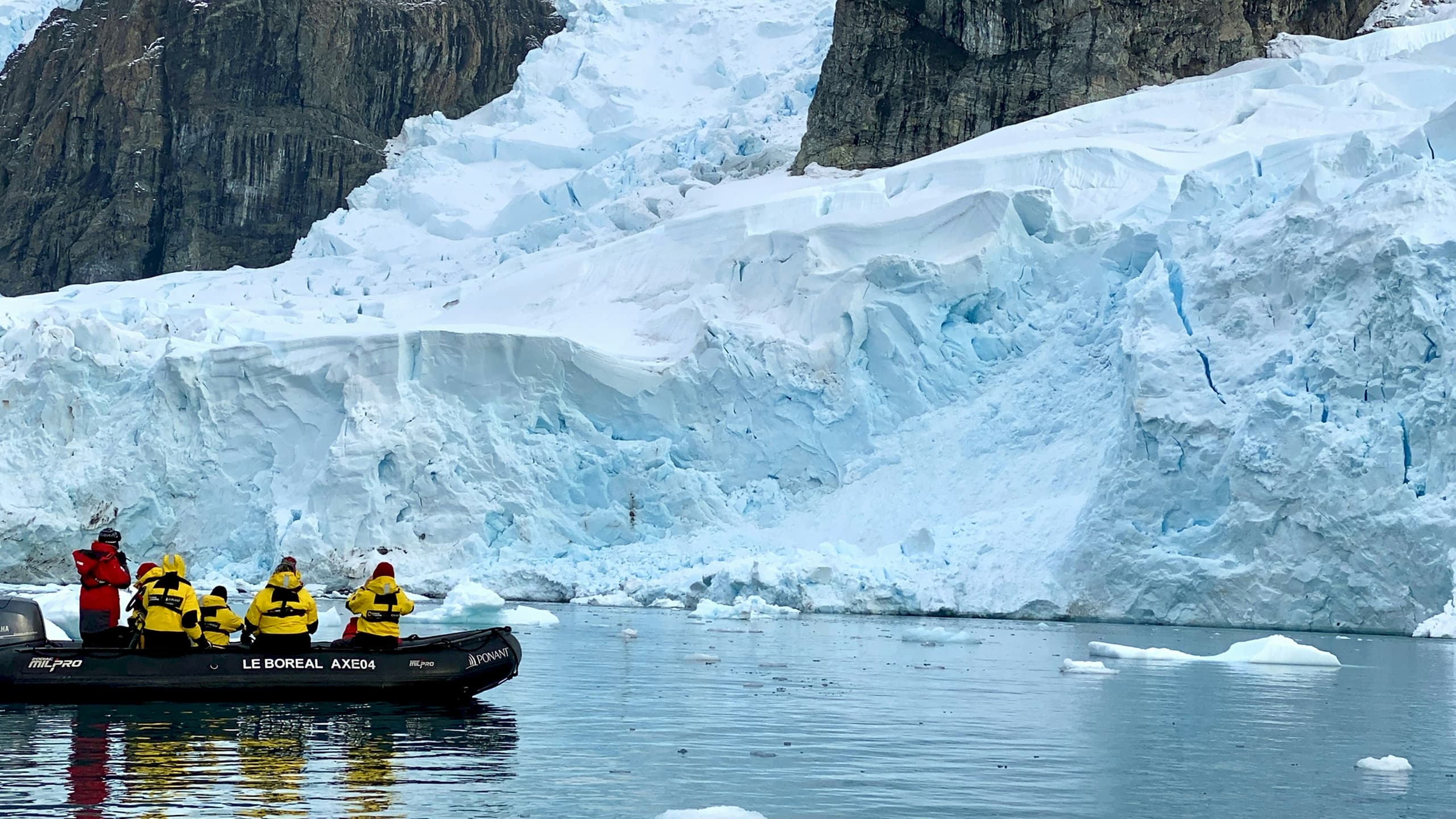
Most operators limit shore parties to 100 people at a time, in compliance with IAATO (The International Association of Antarctica Tour Operators) guidelines. On a well-run small ship, you'll get generous time on land, unhurried and uncrowded.
A Typical Day on an Antarctica Expedition
There is, actually, no typical day. Each day is unique, which is part of the appeal. But here's a rough rhythm:
Morning: Wake call from the expedition team, usually around 6:30–7am. Breakfast, then your first Zodiac landing. You might walk through a Chinstrap penguin colony, Zodiac cruise past a glacier face, or kayak into a silent ice-filled bay.
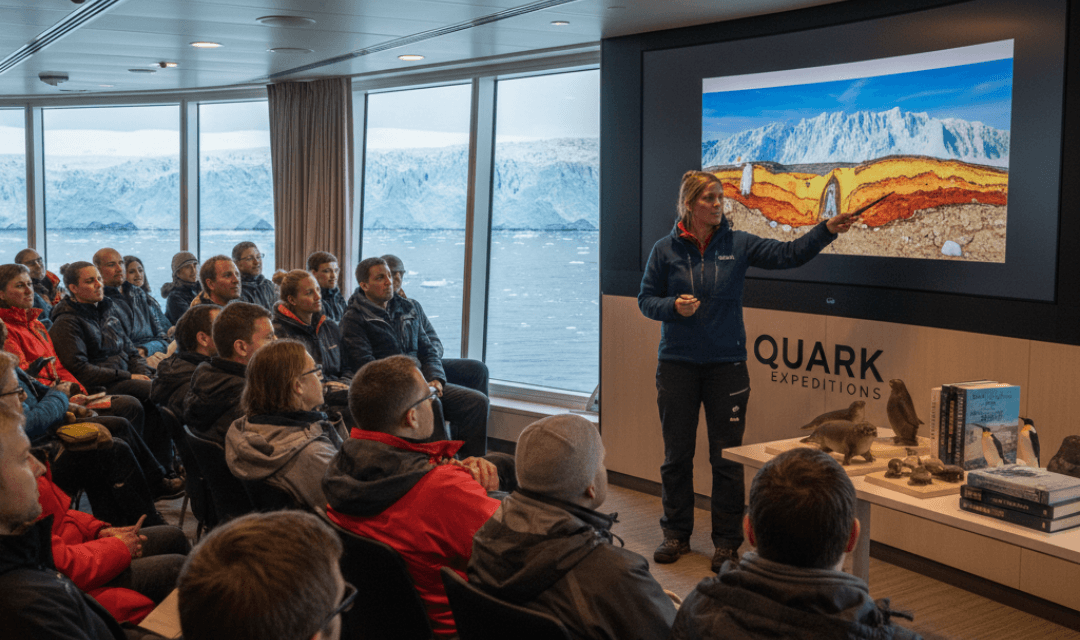
Midday: You return to the ship for lunch on board. Talks from the onboard scientists on penguin biology, glacial formation, polar history and more. These are really valuable lectures; most passengers attend every single one. They add an intellectual layer to the experience that changes how you see what you're witnessing.
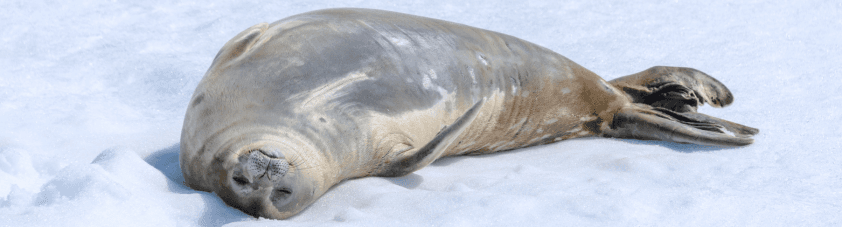
Afternoon: A second landing or extended Zodiac cruise. Wildlife encounters are more likely — humpbacks often surface closer to shore in calmer water. Leopard seals doze on ice floes. By now, the light in Antarctica is extraordinary: long, low, golden.
Evening: Dinner, debrief, expedition notes. The day's photos shared on the ship's system. Early sleep, because tomorrow starts the same way.
The pace is immersive and full, but not exhausting. You're not ticking off sights. You're learning to pay attention.
.png&w=2560&q=75)
Wildlife: What You Will Actually See
Antarctica is one of the most wildlife-dense environments on Earth. The difference from safari: here, the animals have no fear of humans. A penguin will walk directly up to you.
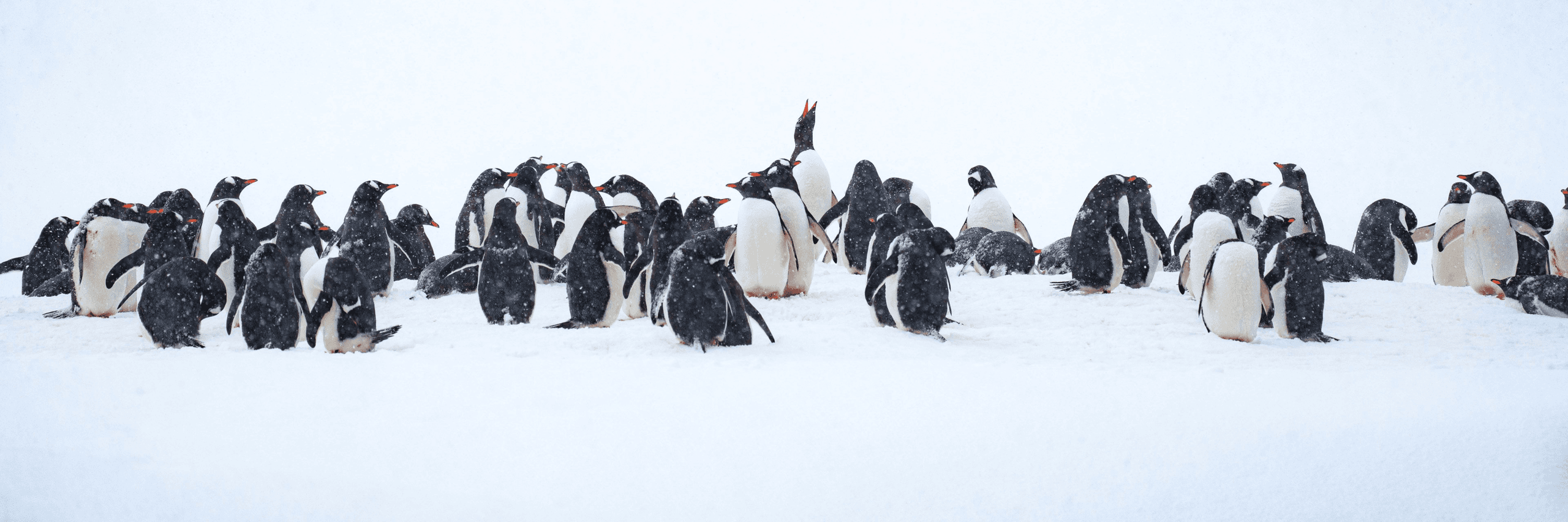
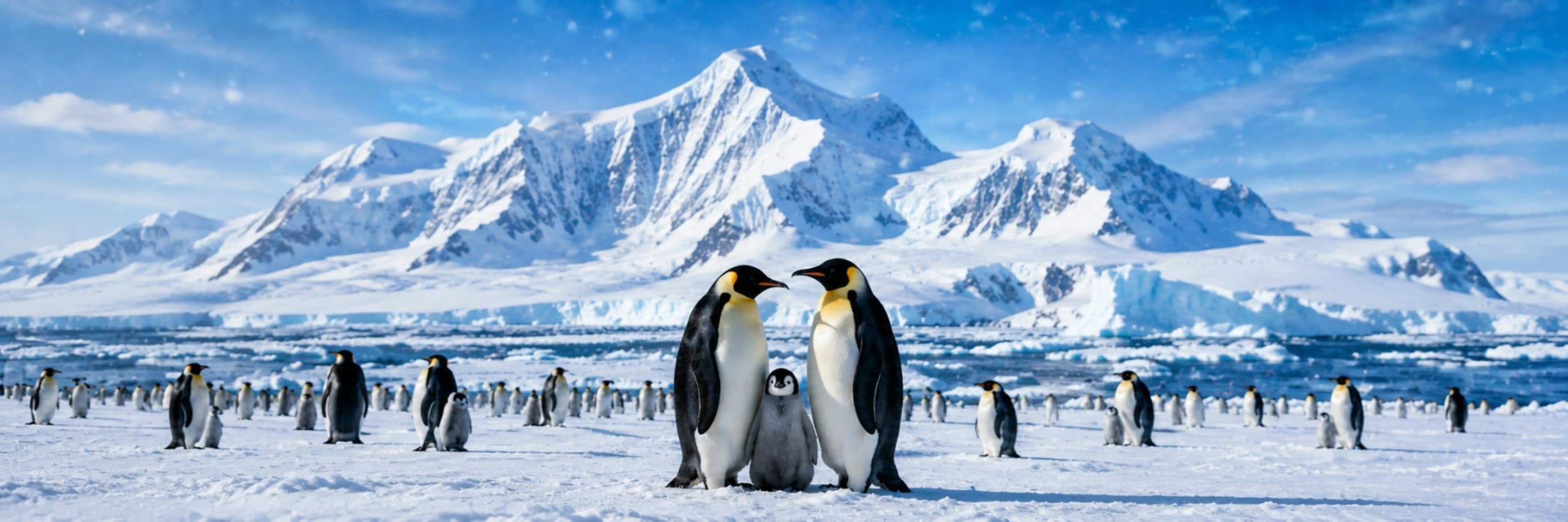
Penguins — The heart of the Antarctica experience. Gentoo, chinstrap, and Adélie are the most common species on the Peninsula. Emperor penguins require a separate, more logistically complex expedition further south or via South Georgia.
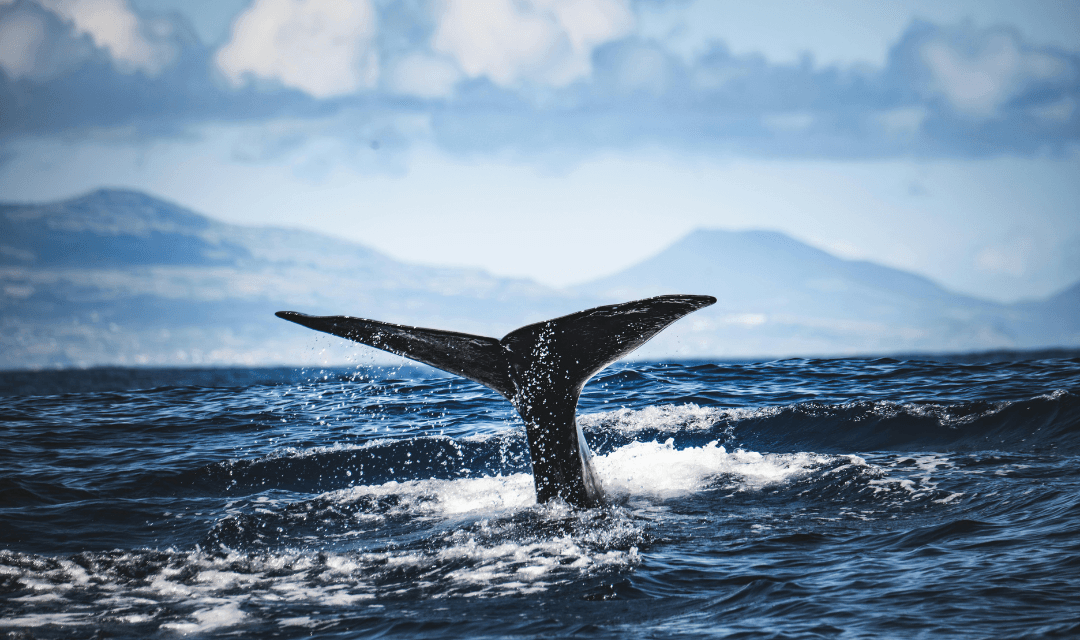
Humpback whales — Increasingly abundant, particularly from January onwards. It's common to watch them surface repeatedly within metres of your Zodiac.
Leopard seals — Powerful, curious, completely unbothered by your presence. Often seen hauled out on ice floes or surfacing near Zodiacs.
Seabirds — Wandering albatross, cape petrels, southern giant petrels. The Drake Passage, often written off as two days of suffering, is actually exceptional for seabird watching.
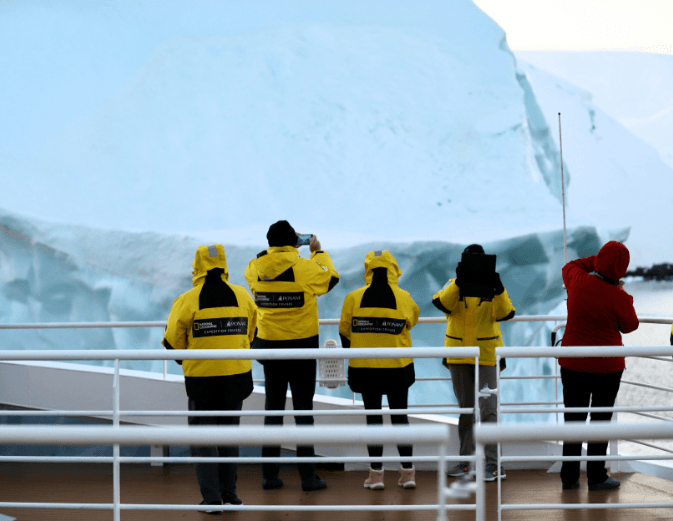
Icebergs — Not wildlife, but worth mentioning. The scale is impossible to photograph accurately. Blue ice formed over thousands of years. Bergs the size of city blocks drifting silently in calm water. This is the image that stays.
Thinking about Antarctica but not sure where to start? Brainstorm with one of our experts — no commitment, just a real conversation about what the trip involves and whether it's right for you.
The Drake Passage: What You Need to Know
The Drake Passage is the body of water between the southern tip of South America and the Antarctic Peninsula — roughly 600 miles of open ocean with no landmass to break the swell. It has a reputation, and that reputation is partly earned! While the Drake Passage can be rough, modern expedition ships are built for these conditions and crossings are considered very safe.
The Drake can be calm — sailors call this the Drake Lake. Or it can be two days of relentless rolling seas, known as the Drake Shake. Most travellers find their crossing is usually somewhere in between.
What to do: Take medication preventively, not reactively. Options include behind-the-ear patches or tablets. Please do consult your doctor before travel. Take them before the ship enters the Drake Passage. Don’t eat a heavy dinner on your first night onboard. You can also check with the ship staff about the best time to take your medication.
What to expect: Rough seas feel worse in the morning when you haven't slept. Most people feel significantly better by Day 2. Many feel fine throughout.
The fly option: Board a charter flight from Punta Arenas and cross the legendary Drake Passage in just two hours. You land at King George Island, transfer by Zodiac from shore to your ship, and begin sailing the Antarctic Peninsula — already in Antarctic waters, without a day of open ocean behind you. Arriving by sea, from a distance, watching the ice appear on the horizon, is an experience unto itself.
.webp&w=2560&q=75)
Is Antarctica Comfortable?
More than most people expect.
Modern expedition ships are well heated, thoughtfully designed, and increasingly comfortable.
Even mid-range ships offer proper restaurant dining, comfortable twin or double cabins, and expedition gear (parkas, boots) included. Higher-end vessels add fine dining, private balconies, even helicopters and submersibles. Do check our itineraries for vessel and facilities details.
Temperatures on deck during the austral summer range from -2°C to +5°C on the Antarctic Peninsula. Colder in wind. With proper layering — base layer, mid-layer, waterproof outer — you are comfortable.
Fitness requirements are modest. You need to be able to board and exit Zodiacs (which requires stepping over the inflatable tube) and walk on uneven terrain. Antarctica attracts guests in their 50s, 60s, and 70s routinely. You don't need to be fit; you need to be mobile and willing.
Internet: Limited and slow. Many passengers consider this an advantage rather than a concern!
Medical: Ships carry physicians. Emergency evacuation protocols exist. Travel insurance covering medical evacuation is non-negotiable.
Who This Trip Is For — and Who Should Wait
Antarctica is the right trip if you:
- Want to experience something genuinely different
- Are drawn to wildlife, science, or extreme environments
- Can tolerate itinerary flexibility (your plans change daily based on conditions)
- Are comfortable with the possibility of rough seas
- Are willing to invest seriously — in money, time, and planning
Antarctica may not be right for you if:
- You prefer controlled, scheduled travel — resorts, fixed itineraries, comfort as a primary goal
- You have significant mobility issues that would make Zodiac boarding difficult
- You're prone to severe seasickness and unwilling to take the fly option
- You're hoping for warm weather and beach time alongside the penguins
There is no judgment in either list. Antarctica is specific. Knowing whether it suits you is part of the planning.
Travelopod Expert Insight
What we tell every client considering Antarctica:
Book early. The best ships and the best cabins on the most popular departures sell 10–14 months in advance. If you want January — the peak wildlife month — on a small ship, you should ideally book 12 months ahead.
Ship size matters more than price. A 100-passenger ship gives you more landing time, more flexibility, and more time on the ice than a 200-passenger vessel. The difference is measurable. Don't let pricing lead the decision until you understand what smaller means experientially.
Cabin category on the Drake. If you're susceptible to seasickness, a lower-deck cabin amidships is significantly more stable. It's worth paying for.
November vs. January vs. February: November brings pristine ice, dramatic conditions, and lower prices — but it's cold and penguin chicks haven't hatched yet. January is peak wildlife, warmer, and most popular. February offers the best whale activity and the furthest ice penetration as sea ice retreats. Each month has a case for it.
Drake vs. fly: We recommend the Drake Passage for first-timers who are physically able. The psychological experience of crossing open water and arriving by sea is something the fly option doesn't replicate. But for guests with health concerns or severe seasickness history, the fly option is excellent — and removes the variable entirely.
Common mistakes we see:
- Booking too late and accepting a ship that was a compromise
- Not buying good travel insurance (medical evacuation from Antarctica is extremely expensive without coverage)
- Packing too much — you'll wear the same four layers every day
- Not taking seasickness medication preventively
How long should you go for? The classic Antarctic Peninsula trip is 10–11 days.
If budget allows, 14–15 days to include South Georgia is transformative — the king penguin colonies at South Georgia are on a scale that makes even the Antarctic Peninsula feel understated.
One Last Thought
Antarctica changes people in a way that's hard to explain until you've been. It's not just the wildlife or the silence or the ice. It's the sense of having been somewhere truly apart from everything. Most people who go once want to go back.
It is also a trip that rewards planning. The guests who get the most from it chose the right ship for their style, booked the right time of year for their priorities, and arrived knowing what to expect.
That's what we're here for.
Not sure where to start? Let's figure it out together. Call us at 1-800-277-4517
Travelopod | US-Based Travel Specialists | 21 Years Planning Extraordinary Journeys
ExclusiveOur Signature Journeys
View All >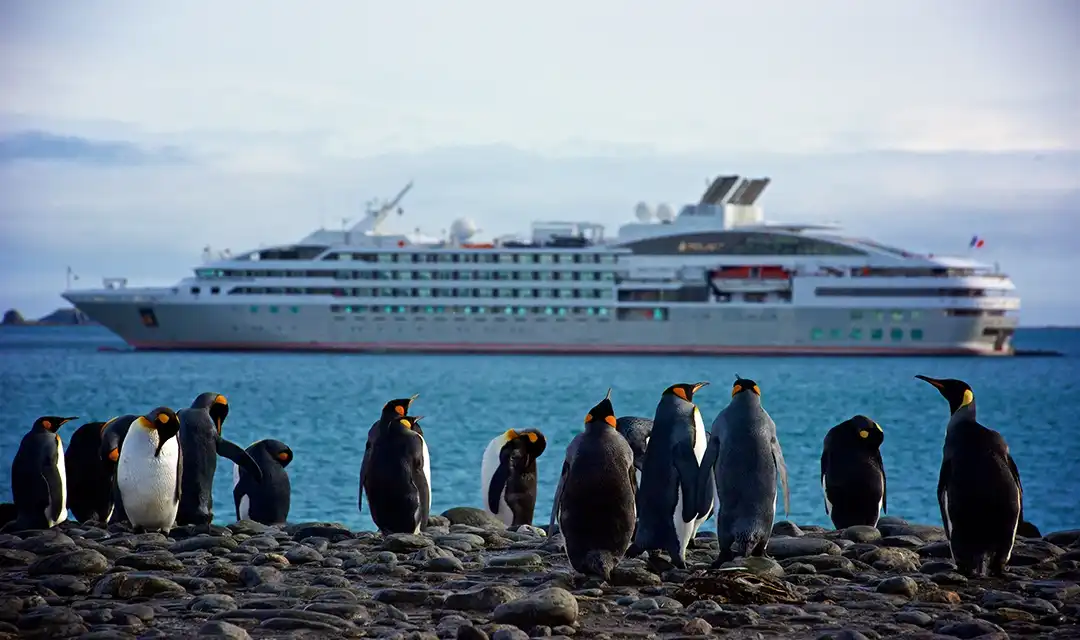

.avif&w=2560&q=75)
Why Choose Travelopod
Travelopod makes every journey seamless, affordable, and unforgettable. Here's why travelers choose us for flights and vacations.
Your Next Adventure Awaits
.png&w=2560&q=75)
.png&w=2560&q=75)
.png&w=2560&q=75)
.png&w=2560&q=75)
.png&w=2560&q=75)
.webp&w=2560&q=75)
.png&w=2560&q=75)
Meet Our Special Advisors
Our trusted advisors bring decades of expertise to help plan your perfect journey.

Anna
Holiday Expert

Vic
Holiday Expert

Suzane
Holiday Expert
Get Holiday Inspiration & Exclusive Offers
Join our mailing list to receive the latest updates and travel inspiration
We respect your privacy. Unsubscribe at any time.