Expedition
Plan: Best Time to Visit Antarctica
Wildlife, Weather & Prices Guide


And now there came both mist and snow, And it grew wondrous cold.
-Samuel Taylor Coleridge
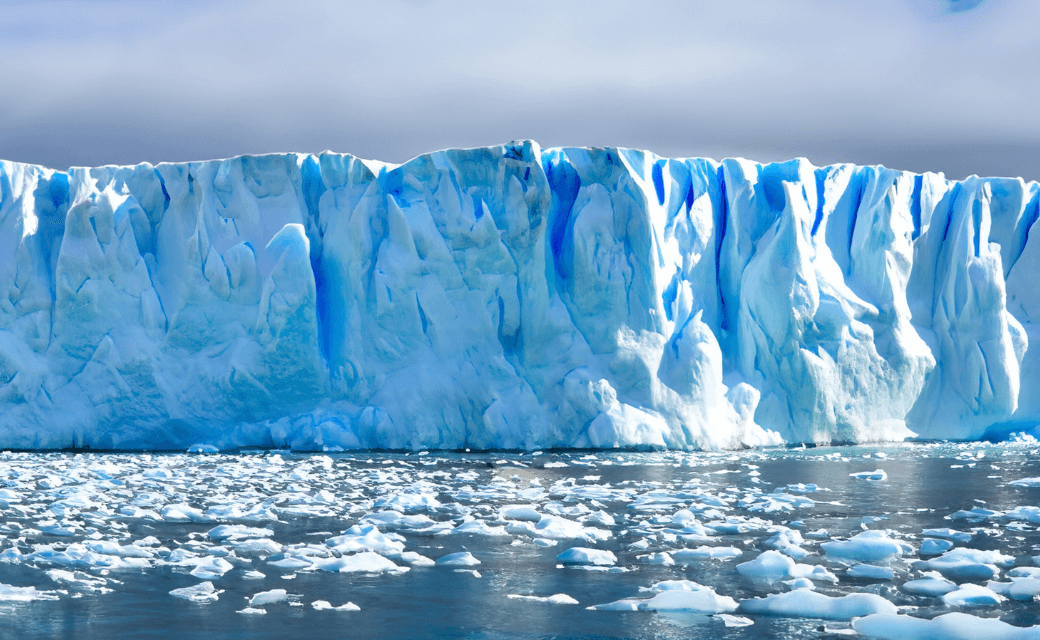
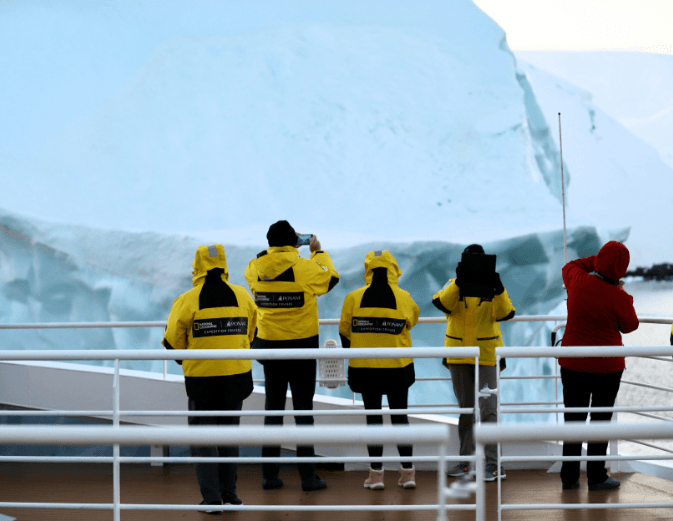
There is a moment — and every Antarctica traveler knows the one — when you're standing on the deck of an expedition ship, watching an iceberg the size of a city block drift silently past in water so still it looks like glass, and you think: I cannot believe I almost didn't come.
That moment exists in every month of the Antarctica season. But which moment you get — whether it's a leopard seal sleeping inches from your Zodiac, or a thousand penguin chicks demanding breakfast, or a humpback breaching so close you feel the spray — that depends entirely on when you go.
The Antarctica cruise season runs November through March. Five months. Within that window, the wildlife, the light, the ice, and yes, the price, change dramatically. This guide will help you find the month that's yours.
The Quick Answer
- Antarctica travel season: November to March — no exceptions
- Best overall month: January — warmest, wildest, most iconic
- Best for dramatic ice and photography: November–December
- Best for penguin chicks: January–February
- Best for whale watching: February–March
- Most affordable departures: November and March
- Book your Antarctica expedition 8–12 months in advance; January sailings on small ships go faster
Why the Season Is So Short — and So Precious
Antarctica's winter is not inhospitable. It's uninhabitable. Temperatures drop to -50°C. The sea freezes solid for hundreds of miles. The sun disappears for months at a time. No expedition ship attempts it. None can.
But when the southern hemisphere summer arrives, something extraordinary unfolds. The ice retreats. The sun returns — and in some months, never fully sets. Wildlife floods back to the continent in numbers that are genuinely hard to process until you're standing in the middle of it.
This five-month window is all there is. Which is exactly why an Antarctica expedition feels unlike any other journey. You are there in the only moment the continent allows you in.
Antarctica's winter is not inhospitable. It's uninhabitable. Temperatures drop to -50°C. The sea freezes solid for hundreds of miles. The sun disappears for months at a time. No expedition ship attempts it. None can.
But when the southern hemisphere summer arrives, something extraordinary unfolds. The ice retreats. The sun returns — and in some months, never fully sets. Wildlife floods back to the continent in numbers that are genuinely hard to process until you're standing in the middle of it.
This five-month window is all there is. Which is exactly why an Antarctica expedition feels unlike any other journey. You are there in the only moment the continent allows you in.
Why the Season Is So Short — and So Precious
Antarctica's winter is not inhospitable. It's uninhabitable
Month by Month: Finding Your Antarctica
November — For Those Who Want It First
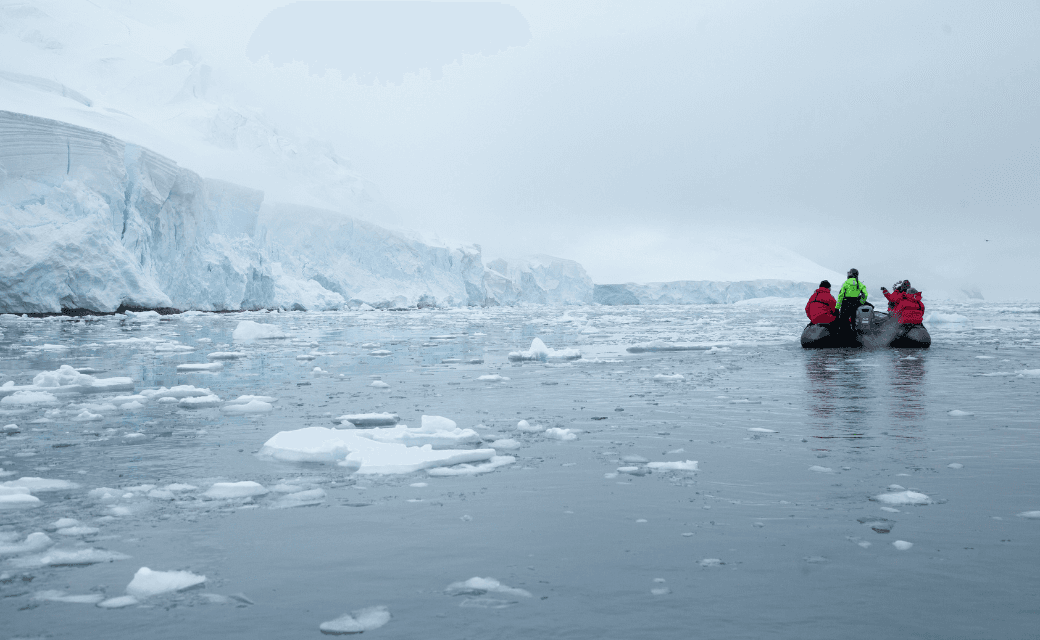
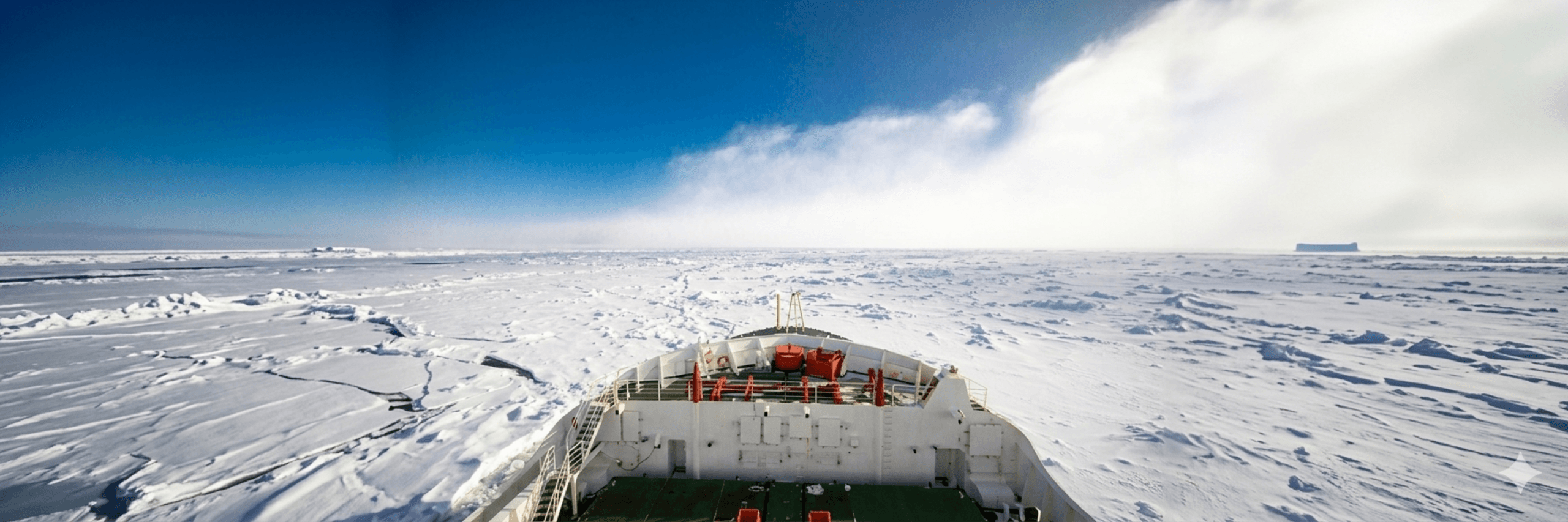
November is Antarctica before the world arrives. Fresh snowfall blankets the shoreline. Icebergs sit enormous and untouched, carved into shapes that look like something between architecture and a dream. The light is extraordinary — low and golden even at midday, the kind that makes every photograph look intentional.
It's colder (expect -1°C on the Peninsula), and the wildlife is earlier in its season — penguins are courting and nesting, not yet raising chicks, and whale sightings are occasional rather than frequent. But that's not what November is about. November is about having Antarctica feel like it's been waiting specifically for you.
Ships are quieter. Prices are lower. And there's a particular thrill in being among the first expedition travelers of the season — in breaking what feels like the silence of an entire winter.
November is best for: photographers, travelers who want fewer people on the ice, those looking for the best value on a premium Antarctica tour
December — When Antarctica Comes Alive
By December, the Peninsula is waking up in the best possible way. Daylight stretches to near-24 hours around the solstice — the famous Antarctic midnight sun, where the sky never fully darkens and time loses its grip. Temperatures climb above freezing. Penguin chicks begin to appear. Humpbacks arrive in growing numbers.
Christmas and New Year departures are the most sought-after in the season, and the prices reflect that. If you're considering a December voyage, the time to secure it is now, not after you've finished deliberating.
December is best for: holiday season travelers, families, those wanting peak-season energy and the magic of near-endless daylight
January — The Month Everyone Wants
There's a reason January is the most booked month in the Antarctica expedition cruise calendar. It is, by almost every measure, the peak of the experience.
Temperatures can reach 10°C on the Peninsula. Sea ice has retreated enough to push further south, sometimes beyond the Antarctic Circle — a milestone that carries genuine weight when you cross it. Penguin chicks are at their most irresistible — fluffy, loud, and completely unafraid of you. Humpbacks and orcas feed within view of the ship. The long days mean more time on the ice, more landings, more of everything.
If January is the month you want — and it probably is — book early. Not soon. Early.
January is best for: first-time Antarctica travelers, wildlife-focused expeditions, those who want the full, unreserved experience
February — The Whale Watchers' Month
Among experienced polar travelers, February is a quiet favorite — and if you've been to Antarctica before, or if whales are what moves you, you'll understand why.
By February, humpbacks are feeding with extraordinary intensity, fattening up before their migration north. Orcas are active. Minke whales surface routinely alongside Zodiacs. Penguin chicks, now nearly full-grown, are making their first clumsy attempts at swimming — a moment that is equal parts comic and moving. Sea ice has retreated to its minimum, opening coastline that's unreachable earlier in the season.
The snow is less pristine than November. But what you lose in ice drama, you gain in sheer wildlife density. February is Antarctica in full voice.
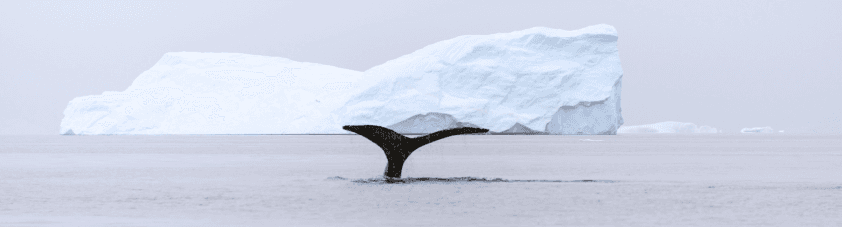
February is best for: whale watching, return visitors, those who want maximum wildlife intensity
March — Antarctica Unfiltered
March is for travelers who don't need the crowd to validate the experience.
The season is winding down. Days shorten. The first hints of autumn dust the landscape with new snow. Whale watching remains exceptional. But penguin colonies are quieter — many chicks have fledged — and there's a stillness to the continent that is unlike any other month. Melancholy is not the wrong word, but neither is magnificent.
Prices drop. Ships are less full. And the sunrises and sunsets in late March — that low, burning light returning after weeks of the midnight sun — are the kind that make you reach for your camera without thinking.
Be clear-eyed: March is not January. Weather is less predictable, and itineraries can shift. But for a certain kind of traveler, that's entirely the point.
March is best for: budget-conscious luxury travelers, photographers, those who want Antarctica with the commercial noise turned down
Wildlife: When to Go for What You Love Most
What You Want to See and Best Months
- Penguin courtship & nesting - November, December
- Penguin chicks - January, February
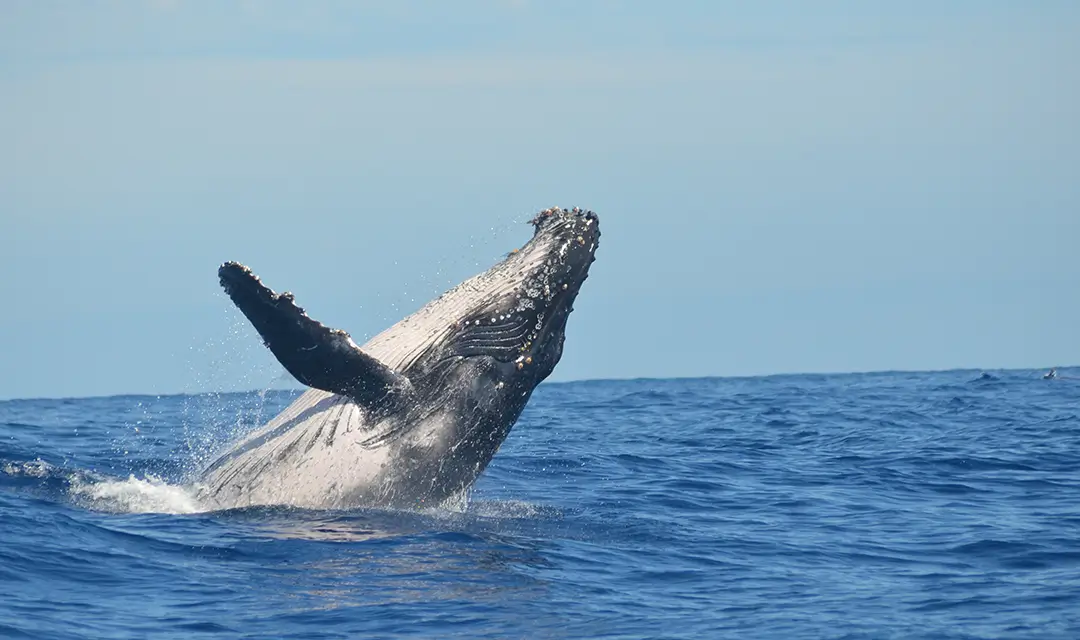
- Humpback & orca whales - February, March
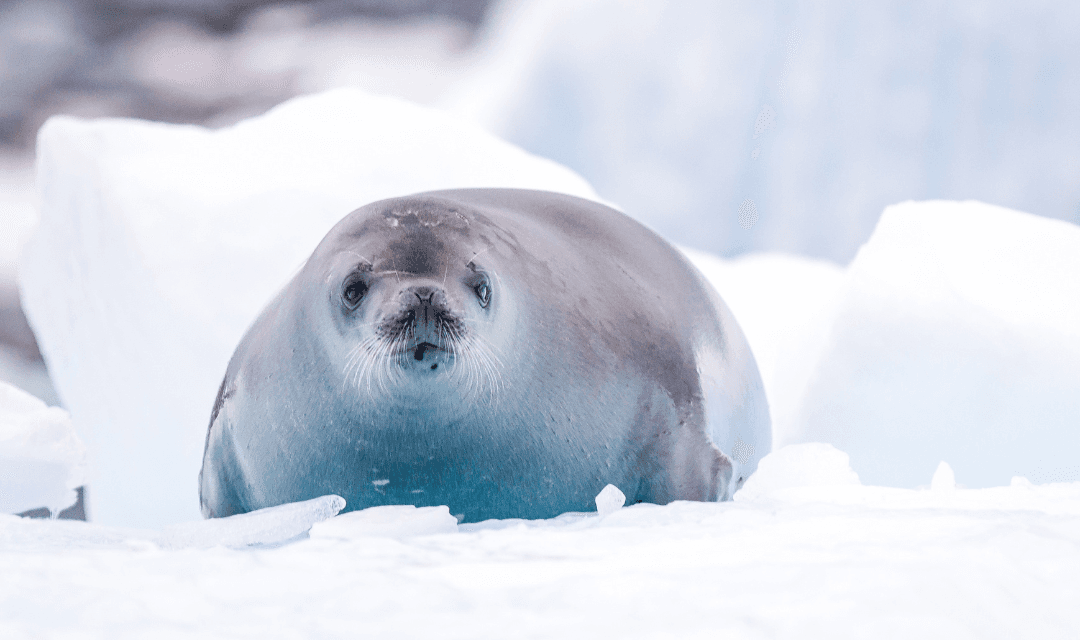
- Leopard seals - January, February, March (Peak)
- Dramatic icebergs - November, December
- Seabird: albatross, petrels - Throughout the season
- Emperor penguins - Specialist expeditions
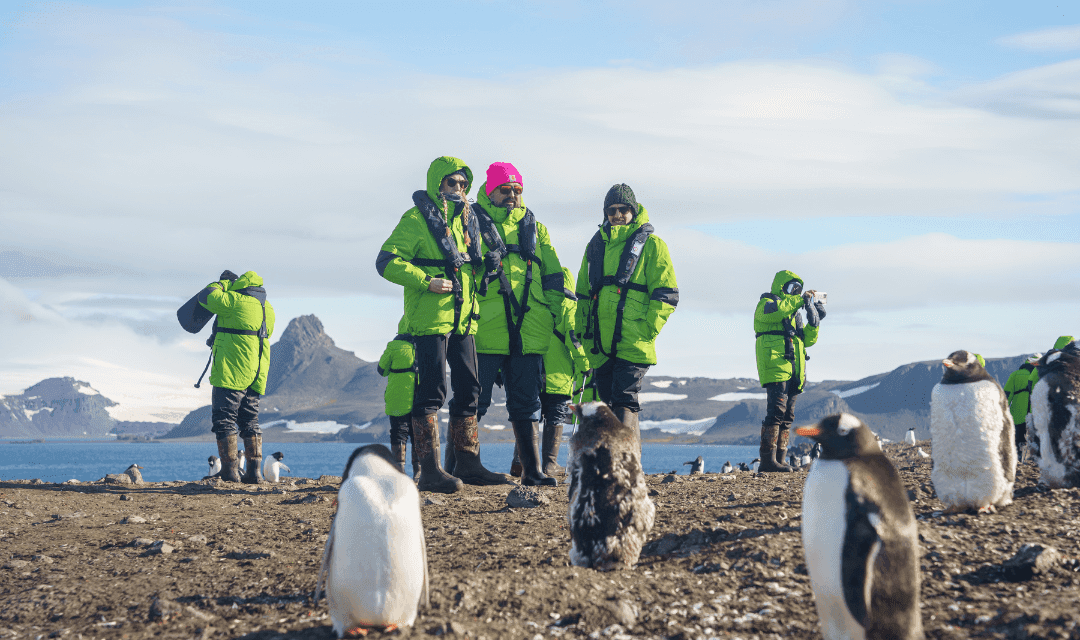
You've read the months. Now let's find yours.
Our Antarctica specialists have planned expeditions for every kind of traveler — and they know the questions to ask that will match you to the right departure. Call us. Let's start planning your expedition. Speak to a specialist at 1-800-277-4517.
Weather, Light & the Drake — Honestly
Antarctica will not perform on demand. What changes with the month is not a guarantee of good conditions — it's a shift in probability. Here's what you can reasonably expect:
Temperature: Ranges from around -1°C in November to a genuine 10°C in January, dropping back as March arrives. With the right layers — and your ship will sort you out — none of this is uncomfortable. The cold, when you're standing on the ice watching a whale surface twenty meters away, is the furthest thing from your mind.
Daylight: November gives you 15–17 hours of light. January approaches 24. By March, days shorten to 12–14 hours. The near-endless light of midsummer is one of Antarctica's most disorienting and wonderful qualities — dinner at 10pm in full sunshine never loses its novelty.
The Drake Passage: Let's be honest. The Drake can be rough in any month. It can also be glassy calm — what sailors call the Drake Lake. There's no month when you're guaranteed the latter. What you can do is prepare properly (take seasickness medication before you board, not after you need it), choose a well-designed ship, and trust that most travelers who dread the Drake the most end up describing it as one of the more memorable parts of the journey.
Did this reassure you? If you have any follow-up questions or any other concerns, speak to our expedition specialists — they’ll answer from experience and help you decide with confidence.
Prices & When to Book
The Antarctica expedition cruise market doesn't behave like conventional travel. There are no last-minute deals on the ships worth sailing on. The best vessels, on the best departure dates, in the best months, are committed by clients who planned early.
| Month | Pricing | What to Know |
| November | Lower | Great value; premium cabins still go first |
| December | High | Holiday premium; book 12–14 months out |
| January | Highest | Peak demand; small ships sell out fast |
| February | Moderate–High | Whale season drives strong demand |
| March | Lower | Late season value; some genuinely excellent deals |
What sells first, always: suite-category cabins, single supplements, and small ships (under 100 passengers) with strong reputations for landing frequency.
The booking window: For January on a quality small ship, 12–16 months is not excessive. For November and March, 8–10 months is usually workable. For itineraries including South Georgia — which, if you can, you should — book as early as possible.
What Our Experts Tell Every Antarctica Client
January is the answer for most people. If your schedule has any flexibility at all, align to January. It delivers the widest range of what Antarctica can give you.
If January isn't possible, November for photography and dramatic landscapes, late February for whales. Both are exceptional trips — just different ones.
Always arrive in Ushuaia a day early. The city is at the end of the world for a reason, and it connects through Buenos Aires. A missed connection doesn't mean a late arrival. It can mean missing your ship. Don't take the risk.
The fly-cruise option — chartering into King George Island to board the ship already in Antarctic waters — eliminates the Drake entirely. Some travelers choose to fly one way and sail the other: one Drake crossing, one flight. It's a smart option if time is limited or the Drake genuinely concerns you.
South Georgia changes the trip entirely. A 14–15 day itinerary that includes South Georgia will, without exception, be described by returning clients as the single greatest journey of their lives. King penguin colonies in the hundreds of thousands. The history of Shackleton. Landscapes that feel genuinely prehistoric. If your budget can extend, extend it here.
The Only Thing Left Is to Decide
Antarctica has no bad months. It has months that are wrong for what you want — and that's a different thing entirely.
What it does have is a season that ends in March, ships that fill up, and a trip that the people who've done it say they wish they hadn't waited so long to take.
The best time to visit Antarctica is, genuinely, as soon as you can plan it properly.
Our Antarctica specialists are ready when you are — not to sell you a departure, but to help you find the right one.
Call us at +1-800-277-4517. Allow us to work with you to plan your expedition.
Travelopod | US-Based Luxury Travel Specialists | 21 Years. 16,000+ Five-Star Reviews.
ExclusiveOur Signature Journeys
View All >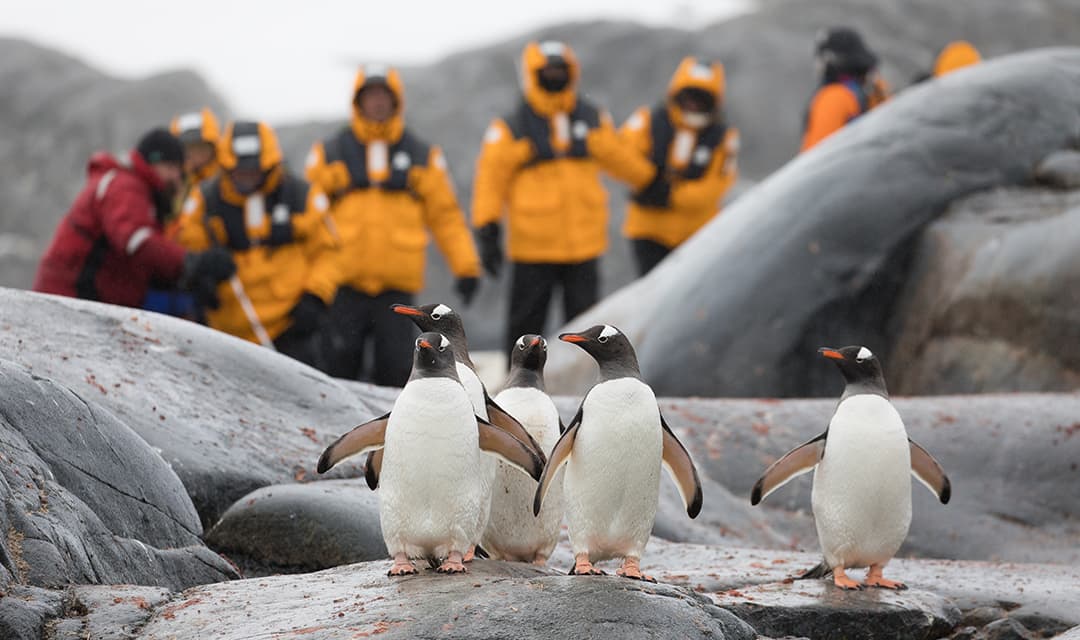
.webp&w=2560&q=75)
Why Choose Travelopod
Travelopod makes every journey seamless, affordable, and unforgettable. Here's why travelers choose us for flights and vacations.
Your Next Adventure Awaits
.png&w=2560&q=75)
.png&w=2560&q=75)
.png&w=2560&q=75)
.png&w=2560&q=75)
.png&w=2560&q=75)
.webp&w=2560&q=75)
.png&w=2560&q=75)
Meet Our Special Advisors
Our trusted advisors bring decades of expertise to help plan your perfect journey.

Anna
Holiday Expert

Vic
Holiday Expert

Suzane
Holiday Expert
Get Holiday Inspiration & Exclusive Offers
Join our mailing list to receive the latest updates and travel inspiration
We respect your privacy. Unsubscribe at any time.