Expedition
Antarctica Wildlife by Season: Best Time to See


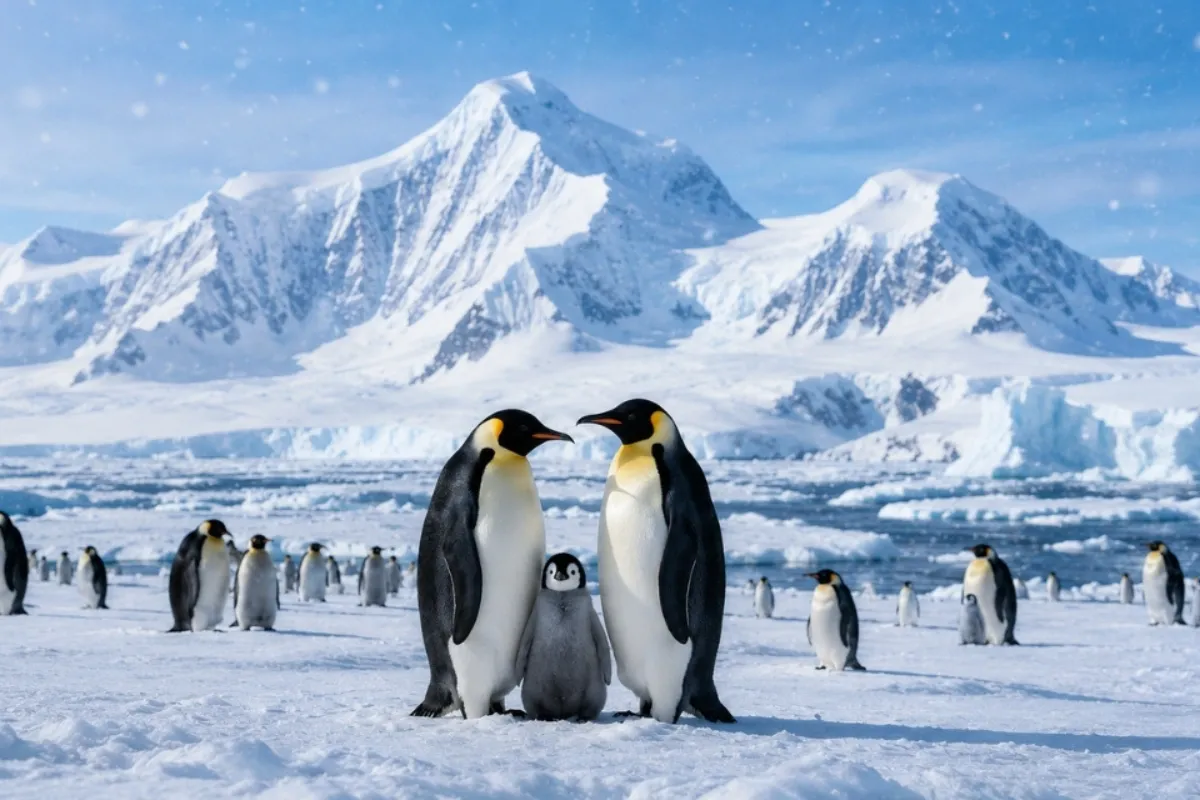
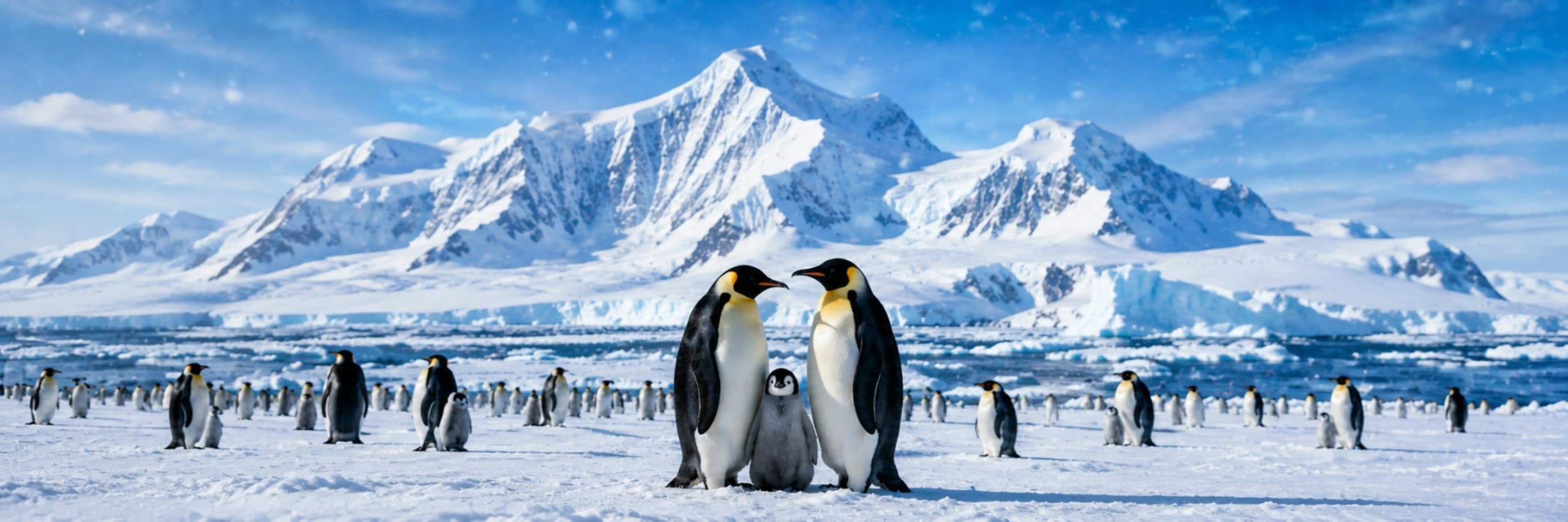
The timing of your Antarctica trip affects the wildlife you may see. Penguin nesting begins early in the season, chicks appear from December, and whale activity often becomes stronger later in the summer.
If penguins and chicks are your main interest, January and February offer a different experience from an early-season trip focused on nesting activity and fresh snow. If whales are your priority, later-season sailings may suit you better.
Your route matters too. The Antarctic Peninsula, South Shetland Islands, and South Georgia do not offer the same wildlife experience. A longer itinerary that includes South Georgia can add large penguin colonies and more opportunities for marine wildlife.
If you are comparing an Antarctica wildlife safari cruise, look at the sailing month and route together rather than choosing a date from the calendar alone.
Wildlife by Month: November to March
Antarctica's main visitor season runs from November through March. The Australian Antarctic Program identifies mid-November through early March as the main period for Antarctic Peninsula travel, when conditions are more suitable for tourism and wildlife becomes more visible.
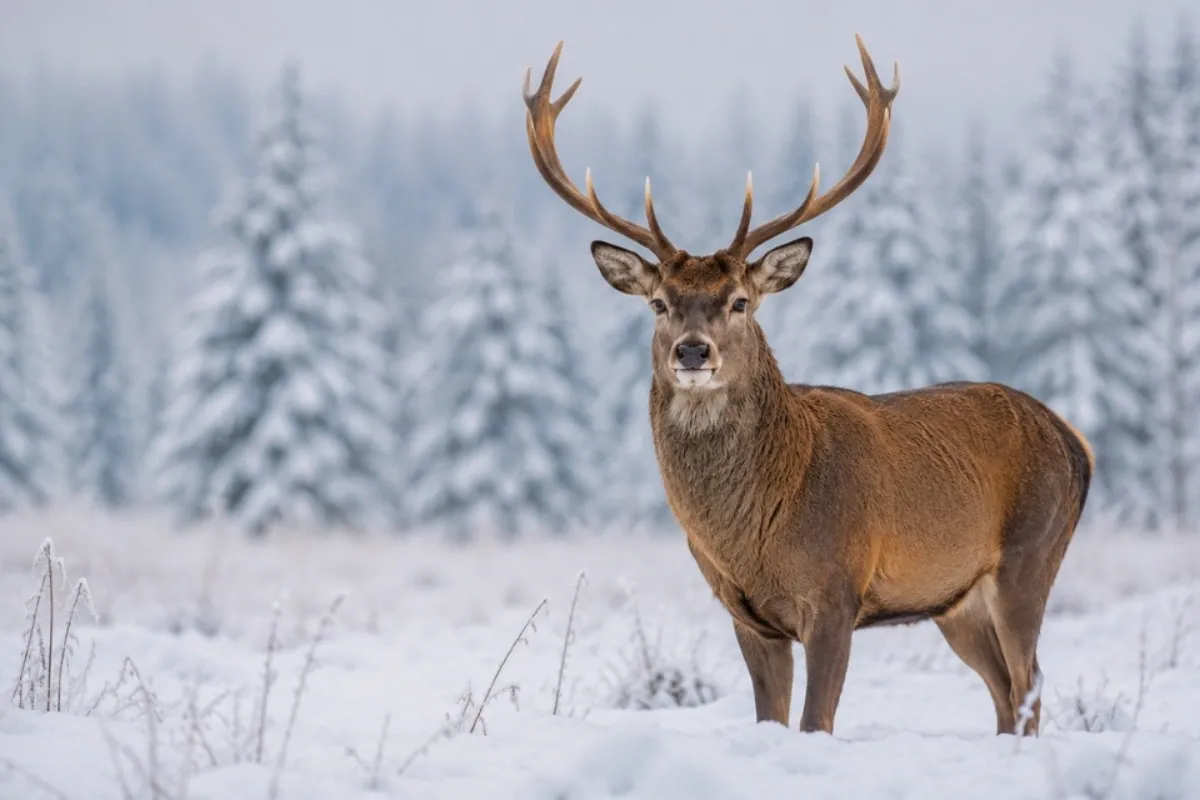
Wildlife activity changes as the season progresses. Here is what each month can offer.
Month | Wildlife & What to Expect |
November | Penguin nesting, seabirds, fresh ice |
December | Eggs, first chicks, active colonies |
January | Growing chicks, busy colonies, seals |
February | Larger chicks, whales, open water |
March | Whales, open water, fewer penguin chicks |
November: Early Nesting Activity
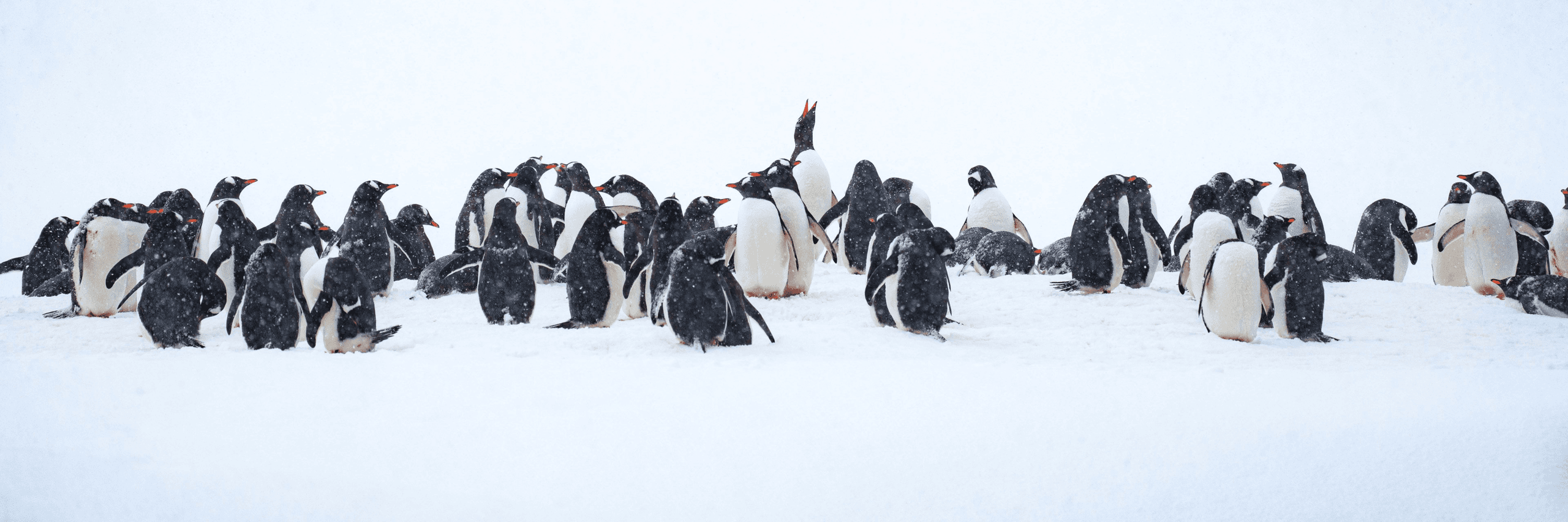
November marks the beginning of the main Antarctic visitor season. Penguins return to breeding colonies, establish nests, and begin laying eggs. Chinstrap penguins, for example, return to colonies around October and November and lay eggs in late November.
You may also see large areas of sea ice and fresh snow. Some landing sites can remain difficult to reach because of ice conditions, so the exact itinerary matters.
Choose November if you care more about early breeding activity and ice than seeing penguin chicks or peak whale activity.
December: Chicks Begin to Appear
December brings a noticeable change in the colonies. Adélie penguin chicks begin hatching during the month, while adults spend much of their time moving between the colony and feeding areas.
This makes December useful for travelers who want to see breeding activity and the beginning of chick season.
The month also brings longer daylight and generally easier access to the Peninsula as summer conditions develop.
January: Busy Penguin Colonies
By January, penguin chicks are larger, and colonies become especially active. Adélie chicks, for example, reach a stage where parents can leave them together while they go to sea for food.
You may see adults returning with food, chicks gathering together, and frequent movement around breeding sites.
January works well if penguins are near the top of your list.
February: Whales and Growing Chicks
February shifts the focus toward marine wildlife. Penguin chicks continue to grow, while some begin preparing to leave the colonies.
Open water also becomes more accessible as the summer progresses. Whale encounters can become a stronger part of the trip, particularly on routes that spend more time in productive waters.
South Georgia can add another dimension. British Antarctic Survey fieldwork has recorded humpback, southern right, blue, fin, minke, and killer whales in South Georgia waters.
March: Late-Season Wildlife
March is the final month of the main Antarctic visitor season. Penguin colonies become quieter as many young birds leave for the sea, while whale sightings can remain an important part of the experience.
Adélie chicks, for example, begin fledging around late February, and the colonies start to disperse as the season progresses.
March can suit travelers who care more about whales, open water, and late-season light than busy penguin colonies.
Best Time to See Specific Wildlife
Instead of choosing a month first, start with the animal you most want to see.
Wildlife | Best Time & What to Expect |
Penguin nesting | Nov-Dec: Courtship, nests and eggs |
Penguin chicks | Dec-Feb: Hatching, feeding and growing chicks |
Whales | Jan-Mar: Humpback, minke and other whales |
Seals | Dec-Mar: Breeding, resting and feeding |
South Georgia penguins | Route-dependent: Large colonies and king penguins |
These periods describe seasonal patterns rather than guaranteed sightings. Weather, sea ice, route changes, and animal behavior can affect what you see on a particular sailing.
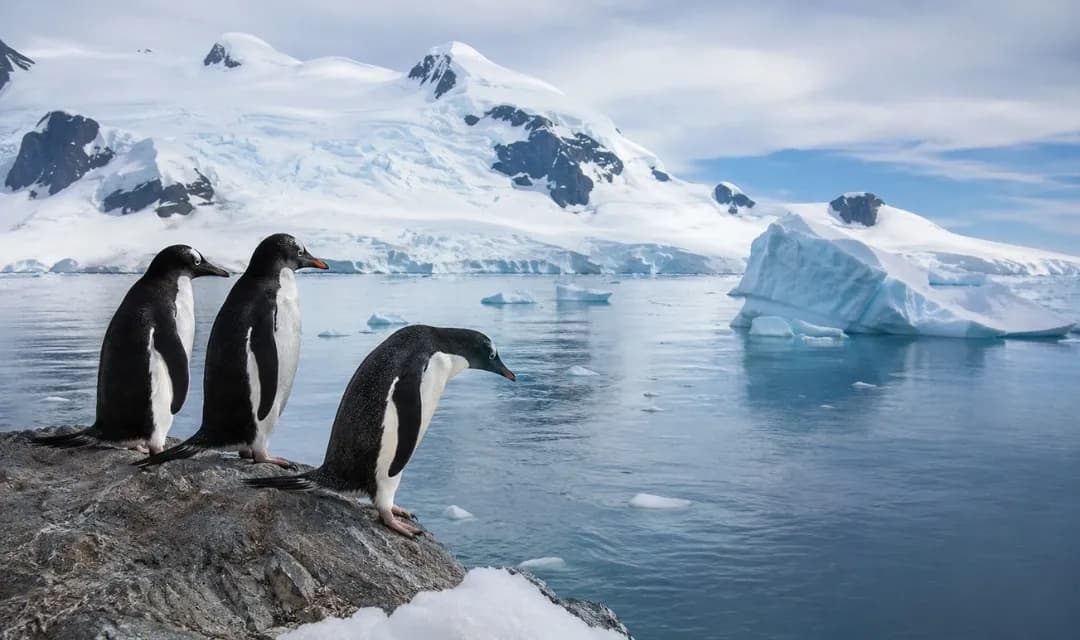
If Penguins Are Your Priority
Look at December through February.
Early December can show eggs and the first chicks. January brings active colonies and growing chicks. By February, many chicks are larger and more mobile.
South Georgia is also worth considering if large penguin colonies are important to you. King penguins breed there in large numbers, and their breeding cycle differs from the shorter seasonal cycles of several Antarctic Peninsula species.
If Whales Are Your Priority
Look more closely at January through March.
Later-season sailings can offer stronger whale-watching opportunities as marine activity increases. The route matters just as much as the month, particularly if the itinerary includes South Georgia.
If You Want Seals
Seals can appear throughout the Antarctic visitor season, but the type of encounter can change. You may see seals resting on ice, around beaches, or hunting in the water.
Leopard seals are also predators of penguins, so sightings can sometimes occur near active penguin colonies.
Why Your Route Matters
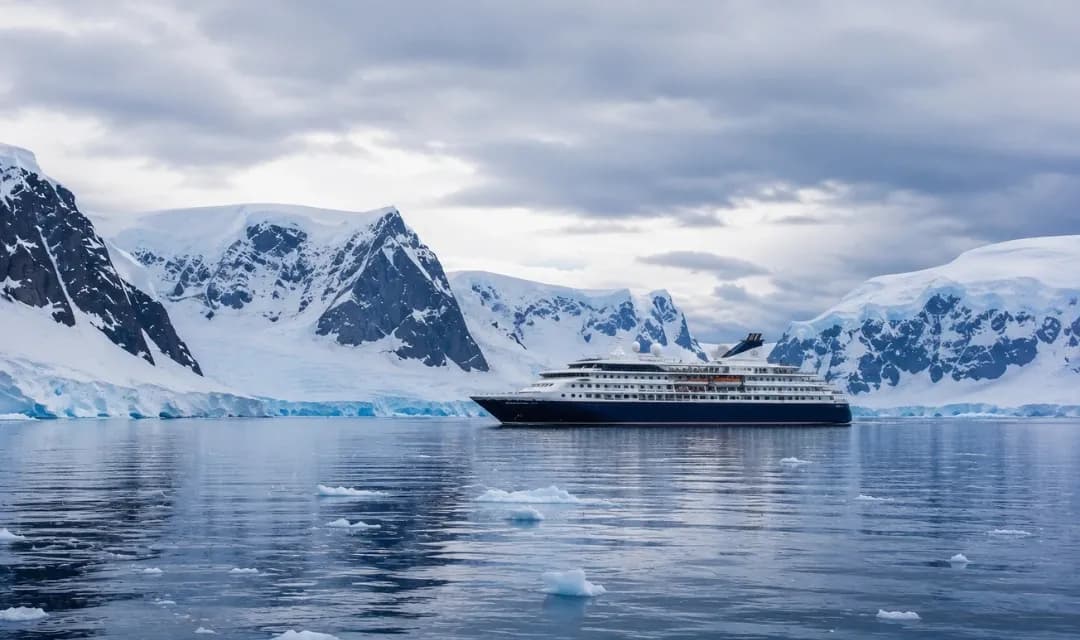
Your sailing date tells only part of the story. The places your ship visits can change the wildlife experience considerably.
Antarctic Peninsula
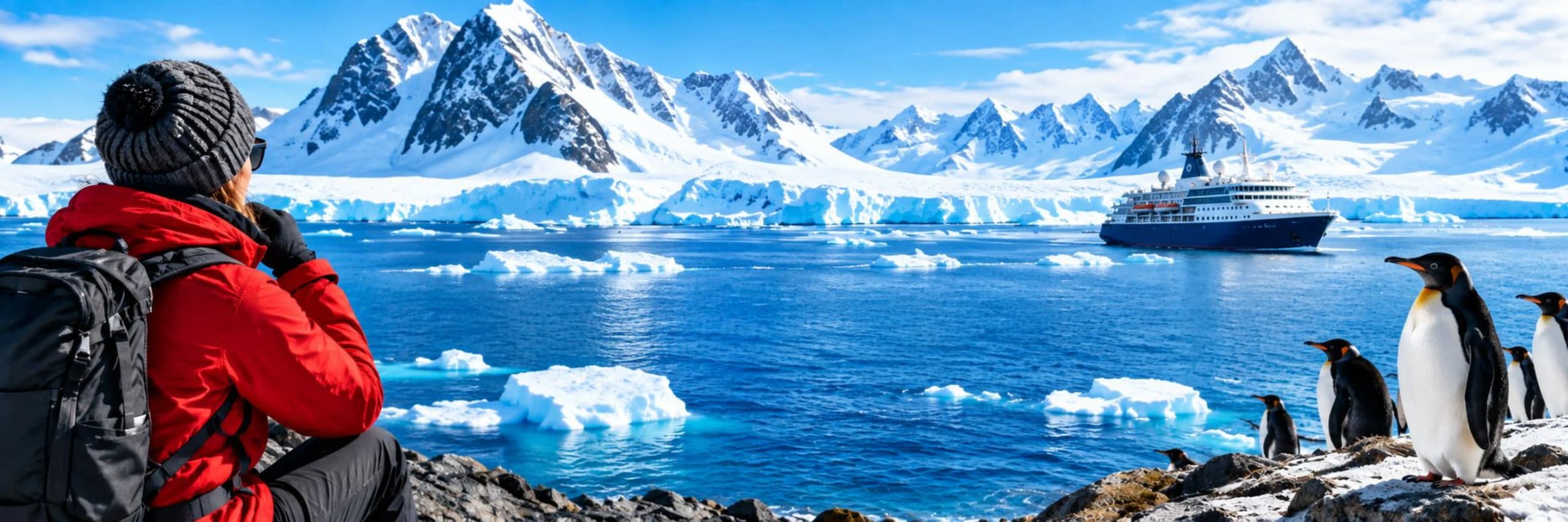
The Peninsula is the most common Antarctic tourism route. Most visitors reach it by ship from South America, and voyages typically include landings and Zodiac excursions.
This route is a strong choice for travelers who want penguin colonies, icebergs, seals, and opportunities to look for whales without committing to a much longer expedition. Explore the Antarctica Highlights cruise for a Peninsula-focused itinerary.
South Shetland Islands
These islands often form part of Peninsula itineraries. They can provide early landing opportunities and access to penguin colonies before the ship continues farther south.
Check the actual itinerary rather than assuming every cruise visits the same sites.
South Georgia
South Georgia requires a longer itinerary but can add a very different wildlife experience. King penguin colonies are one of its major attractions, and its waters support a range of whale and seal species.
If wildlife is your main reason for visiting Antarctica, compare a Peninsula-only itinerary with one that includes South Georgia.
How to Choose a Wildlife-Focused Cruise
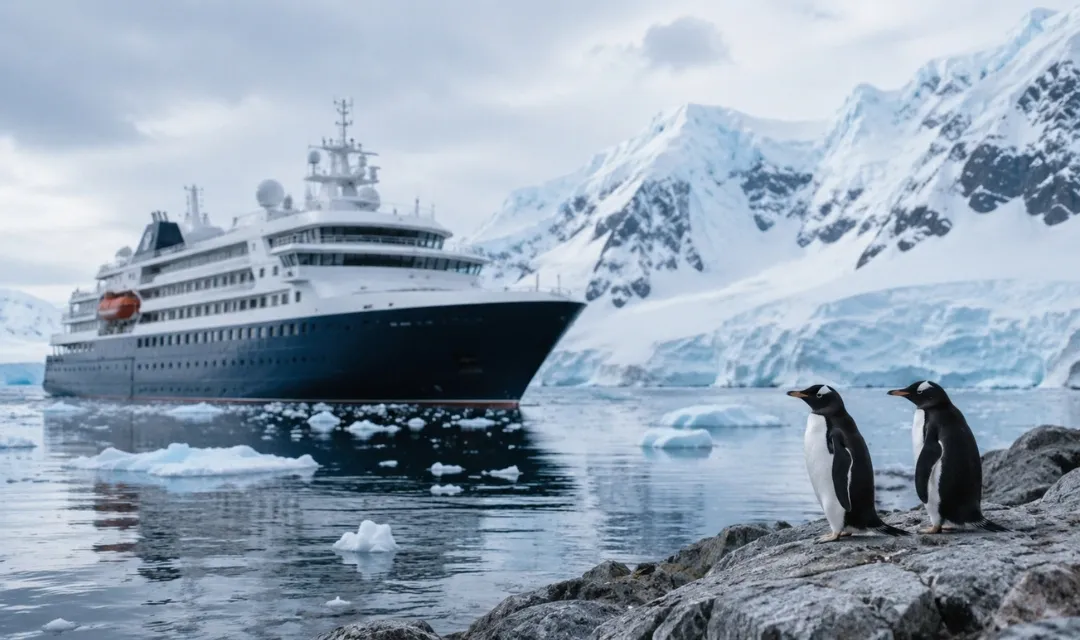
Once you know what you want to see, compare the cruise itself.
Check the Number of Antarctic Days
A longer itinerary can give you more opportunities for landings and wildlife viewing. It can also include additional destinations such as South Georgia.
Check the Landing Schedule
Look at how many days the ship expects to spend in Antarctica and whether the itinerary includes Zodiac excursions and shore landings.
Check the Ship Size
Ship size can affect how many passengers go ashore at one time and how the expedition operates. Don't compare ships by cabin size alone.
Check the Route
A Peninsula itinerary and a Peninsula-plus-South-Georgia itinerary are very different trips. Compare the destinations before comparing prices.
Check the Expedition Team
Naturalist-led talks, wildlife briefings, and guided landings can add useful context to what you see.
“We once spoke with a traveler who had initially chosen an early-season Antarctica sailing because the dates worked well. After discussing what they wanted to photograph, we realized penguin chicks were a priority for them. We suggested moving the trip to January, when the colonies would be at a different stage, and chicks would be more developed.
That small change made the itinerary a better fit for what they actually wanted to experience.”
One detail worth checking: Look at the number of scheduled landings, not just the number of days on the itinerary. A seven-day expedition with frequent shore and Zodiac activities can give you more wildlife-viewing opportunities than a longer trip with fewer planned landings.
What Wildlife Sightings Are Really Like
An Antarctica expedition does not work like a traditional wildlife safari. You cannot drive to a fixed viewing point and expect an animal to appear.
Your expedition team may adjust the day's plan based on weather, sea conditions, ice, and wildlife activity.
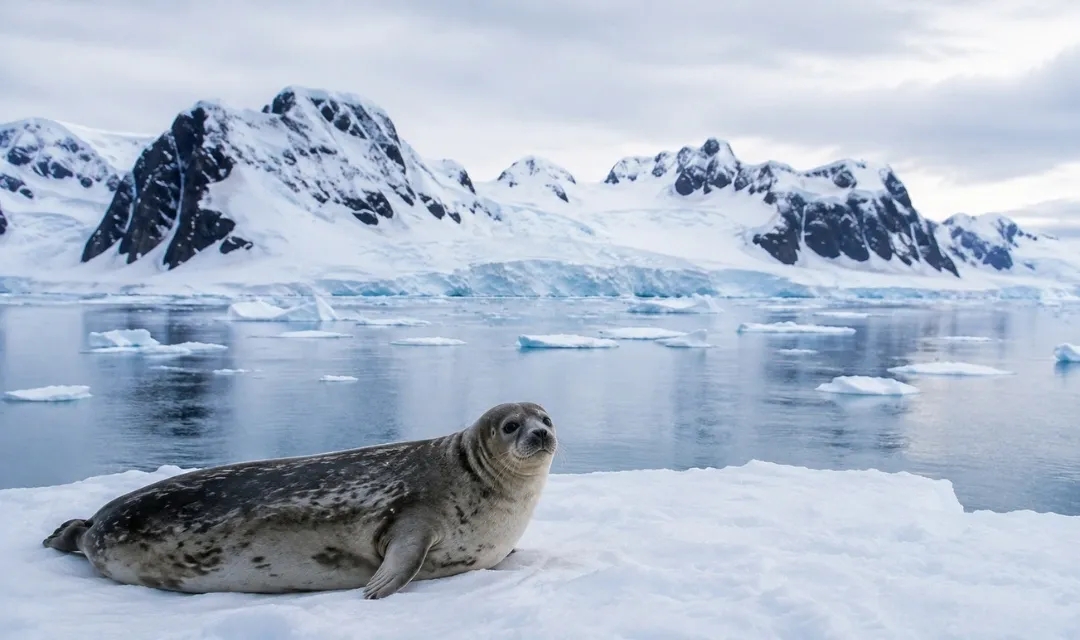
You might spend time watching a penguin colony from shore, then encounter whales from the ship later that day. Another landing may produce seals rather than penguins.
That unpredictability is part of the experience. A strong itinerary gives you multiple opportunities to look for wildlife rather than relying on one specific landing.
Best Time: Quick Recommendation
If you want penguin nesting and early-season landscapes, look at November and early December.
If you want penguin chicks and busy colonies, January is a strong choice.
If you want whales and a broader mix of marine wildlife, compare February and March.
If you want large penguin colonies and more varied wildlife, look at itineraries that include South Georgia rather than focusing only on the month.
The right departure depends on what you want to see and how much time you have for the expedition. The month, route, ship, and number of days all matter.
Frequently Asked Questions
What is the best month to see wildlife in Antarctica?
January and February are strong choices for travelers focused on penguin activity and chicks. February and March can suit travelers who place more emphasis on whales. Your route also affects the wildlife you may encounter.
When can you see penguin chicks in Antarctica?
Penguin chicks begin appearing in December for some species. January and February offer good opportunities to see growing chicks and active colonies. The exact timing varies by species and location.
When is the best time to see whales in Antarctica?
Whale sightings can become more frequent later in the Antarctic summer. January through March is a useful period to compare, especially for itineraries that spend more time in areas known for marine wildlife.
Can I see penguins and whales on the same Antarctica cruise?
Yes. Many Antarctic Peninsula itineraries offer opportunities to see both. Your sailing date and route affect which animals you are most likely to encounter.
Does South Georgia have different wildlife from the Antarctic Peninsula?
Yes. South Georgia has large king penguin colonies and supports a wide range of marine wildlife. A South Georgia itinerary also requires more travel time than a standard Peninsula cruise.
Plan Your Wildlife-Focused Antarctica Trip
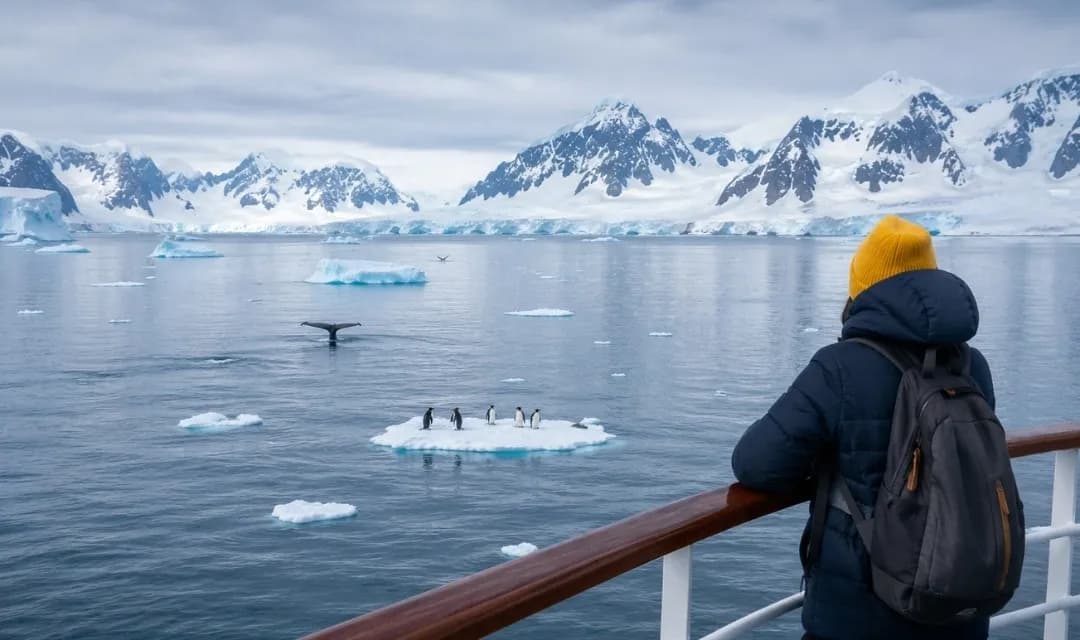
Choosing the right month is only one part of planning an Antarctica expedition. The route, ship, number of days, and landing schedule can have just as much influence on your wildlife experience.
Travelopod can help you compare those details and match the itinerary to what you want to see. Explore our Antarctica highlights cruise or speak with a travel advisor about your preferred travel month and wildlife interests.
Want to compare your options? Talk with a Travelopod advisor about your Antarctica trip.
ExclusiveOur Signature Journeys
View All >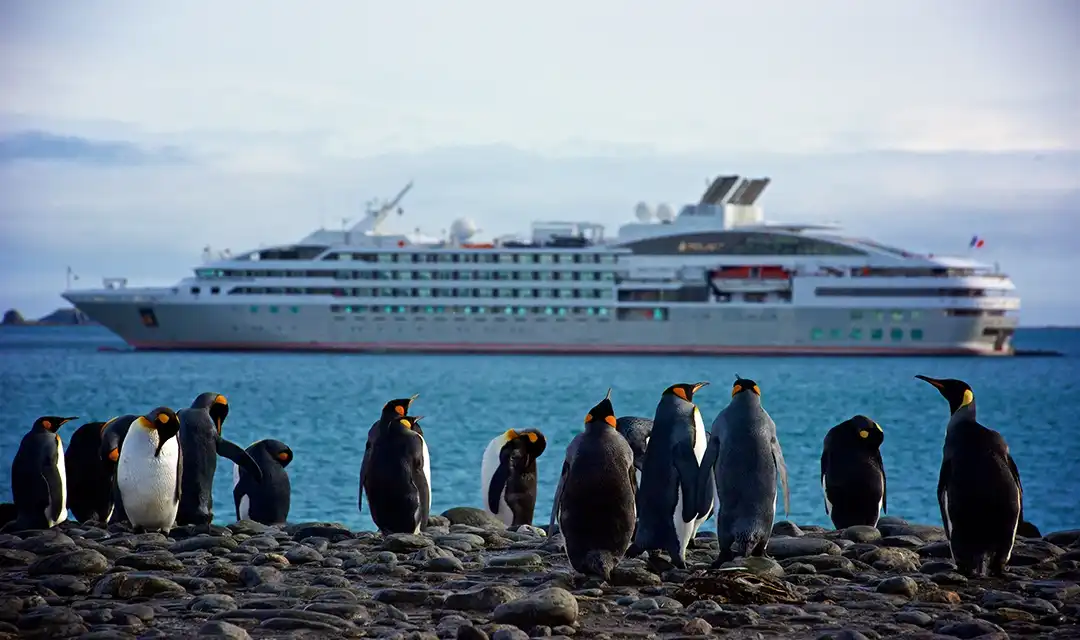

.avif&w=2560&q=75)
Why Choose Travelopod
Travelopod makes every journey seamless, affordable, and unforgettable. Here's why travelers choose us for flights and vacations.
Your Next Adventure Awaits
.png&w=2560&q=75)
.png&w=2560&q=75)
.png&w=2560&q=75)
.png&w=2560&q=75)
.png&w=2560&q=75)
.webp&w=2560&q=75)
.png&w=2560&q=75)
Meet Our Special Advisors
Our trusted advisors bring decades of expertise to help plan your perfect journey.

Anna
Holiday Expert

Vic
Holiday Expert

Suzane
Holiday Expert
Get Holiday Inspiration & Exclusive Offers
Join our mailing list to receive the latest updates and travel inspiration
We respect your privacy. Unsubscribe at any time.