Expedition
Book: How to Choose the Right Antarctica Expedition
Ships, Routes & What Actually Matters


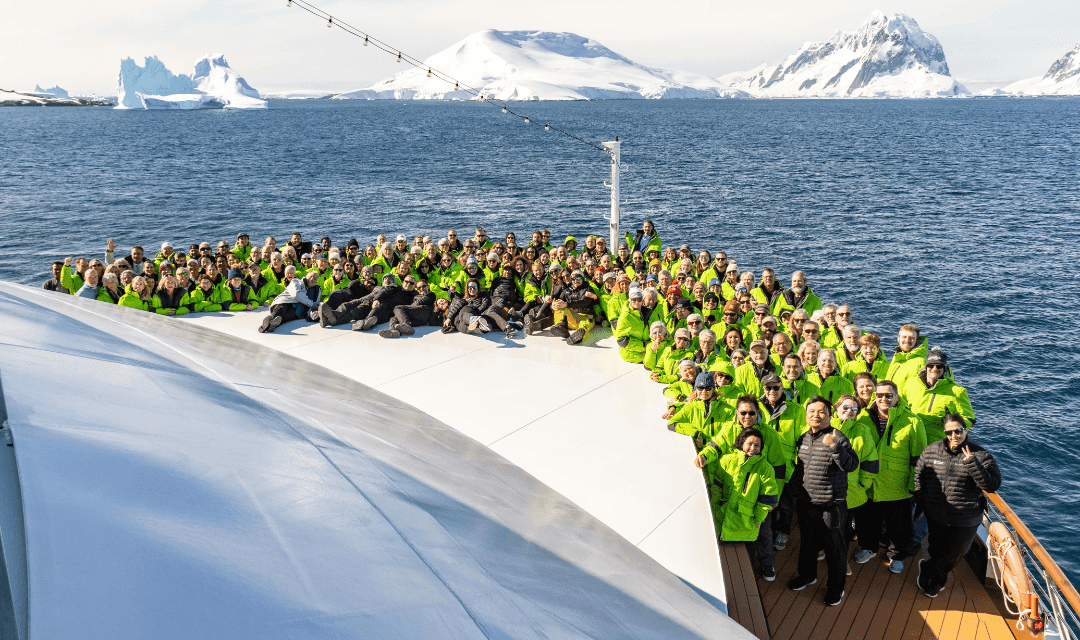
“Instructions for living a life: Pay attention, Be astonished, Tell about it.”
— Mary Oliver
If you're planning an Antarctica expedition and trying to choose between ships, routes, and itineraries — this guide is written for you. It's for travelers who have already decided they're going and now need to make the right decisions about how.
You've done the reading. You know you want to go. Now comes the decision that most people get wrong — not because they didn't care enough, but because nobody told them what actually matters.
The Antarctica expedition market is full of options: small ships and large ones, classic crossings and fly-in shortcuts, ten-day itineraries and three-week odysseys that take in South Georgia and the Falklands. The price differences between them can run to tens of thousands of dollars. The experience differences are just as wide.
This guide cuts through the noise. By the end of it, you'll know exactly which kind of Antarctica cruise suits you — and what to ask before you book.
The Quick Answers
Ship size matters more than almost any other factor — smaller is better
• The Antarctic Peninsula is the classic route; South Georgia adds something extraordinary
• 10–12 days is the minimum; 14–20 days is transformative
• Number of landings per day is the real measure of value — not cabin size
• Book 10–14 months in advance for small ships in peak season
• The fly cruise Antarctica option is worth it if you're short on time or concerned about the Drake
• Price alone is a poor guide — the cheapest option rarely delivers the best experience
The Four Types of Antarctica Trip
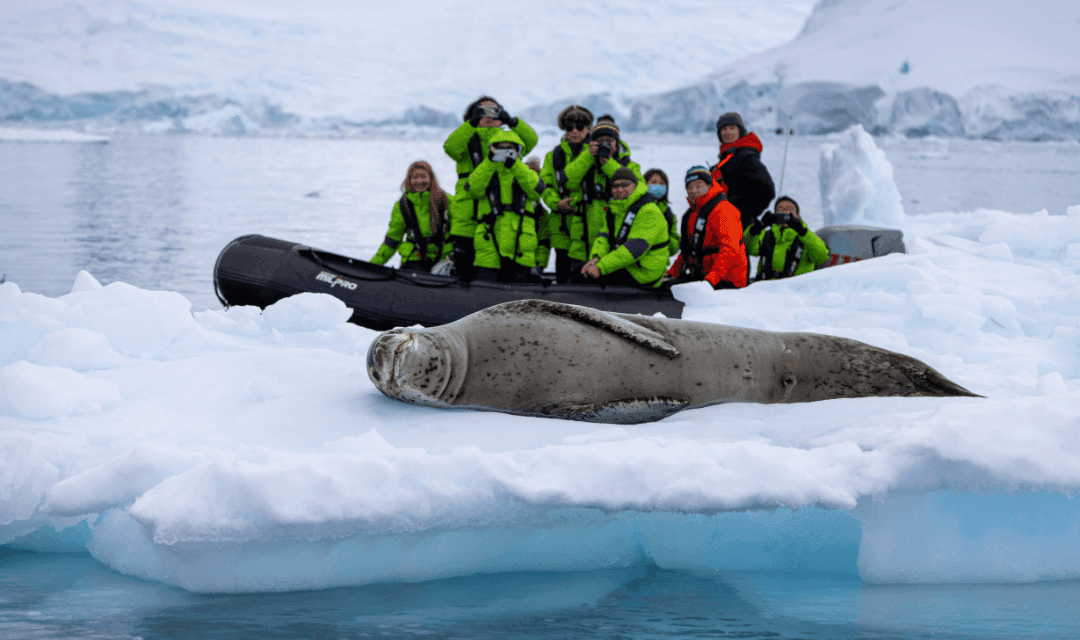
Before you compare ships, understand what kind of expedition you're actually choosing between.
1. Classic Expedition Cruise (via Drake Passage)
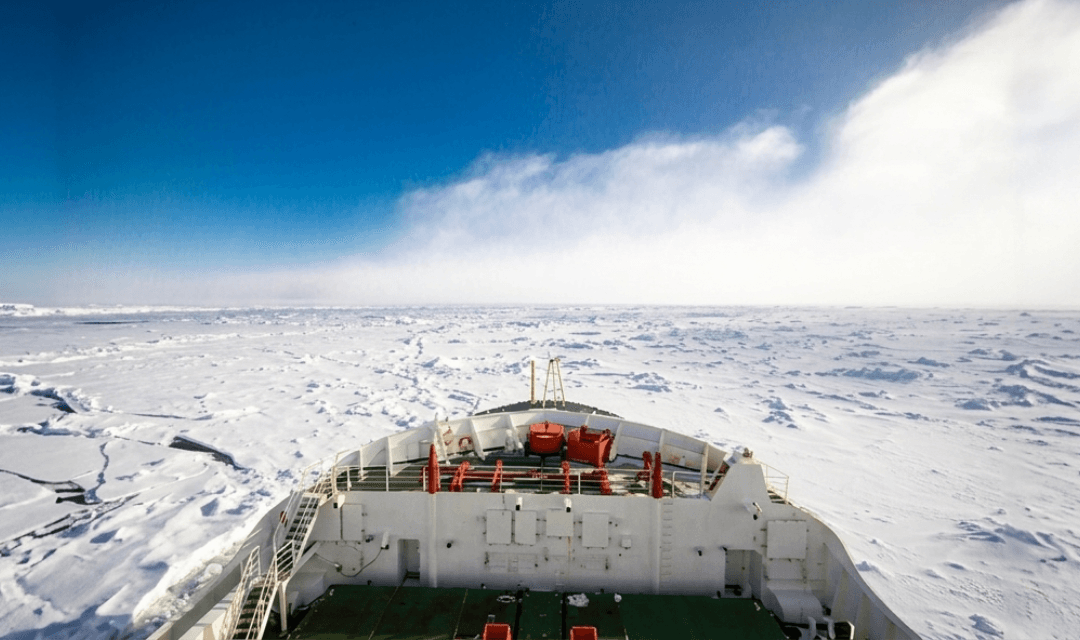
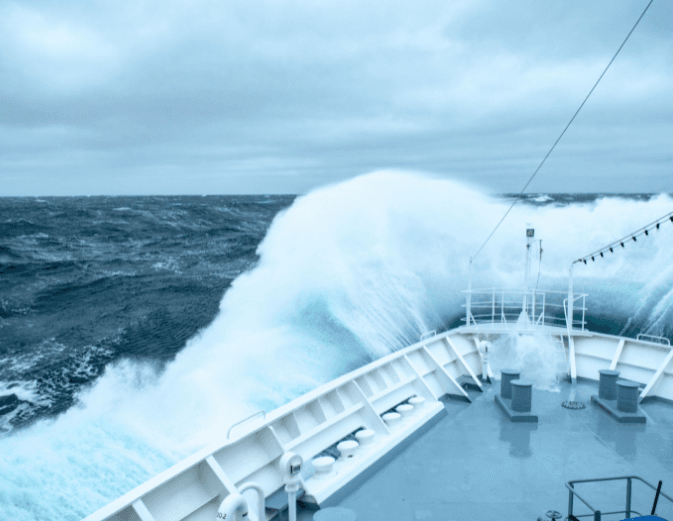
This is the original, and for most travellers, still the best. You board an expedition ship in Ushuaia or Puerto Williams, cross the Drake Passage over two days, and spend five to ten days in Antarctic waters before sailing back. Total trip: 10–15 days.
The Drake is notorious, but it's also part of the journey. Crossing open ocean — watching albatross glide alongside the ship, feeling the scale of what you're about to enter — is something the fly option, though there is one, simply doesn't replicate.
2. Fly Cruise
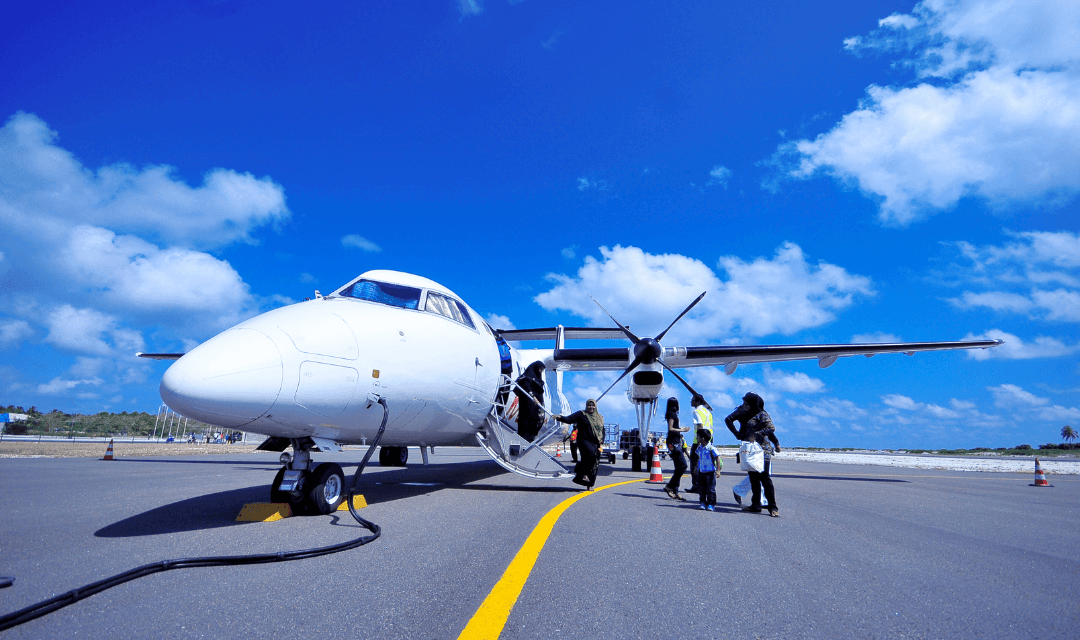
Charter flights from Punta Arenas land on King George Island, where you board the ship already in Antarctic waters. You gain four days. You lose the Drake.
For travelers with limited time, health concerns, or severe seasickness history, the Antarctica fly cruise is an excellent choice. Some guests fly one way and sail the other — one Drake crossing, one flight — a smart hybrid that many experienced travelers prefer.
Certain ships combine genuine expedition access — Zodiacs, expert naturalists, multiple daily landings — with fine dining, private suites, and in some cases, helicopters and submersibles. If comfort matters as much as access, this is the category to explore.
Expect to pay a significant premium. Expect it to be worth it.
4. Extended Itineraries — South Georgia & Falklands
These are the most ambitious, most expensive, and by almost universal agreement, the most life-defining of all Antarctica expedition cruises. Adding South Georgia means king penguin colonies that number in the hundreds of thousands. This is the landscape where Shackleton made his legendary crossing, and wildlife density that makes the Peninsula feel understated.
Plan for 17–22 days. Budget accordingly. Regret nothing.
Landings: The Metric That Actually Matters
Here is the insight that separates travelers who've been to Antarctica from those who are still googling it: the number of landings per day matters more than almost anything else about the ship.
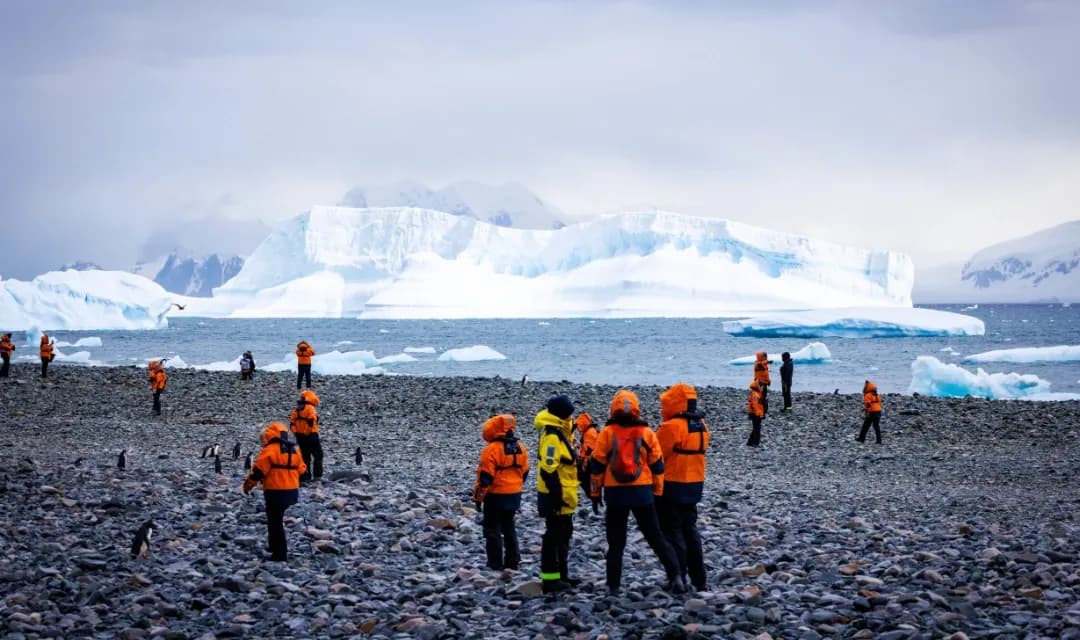
IAATO (the international body governing Antarctica expeditions) limits shore parties to 100 passengers at a time. A ship carrying 100 guests can land its entire group simultaneously. A ship carrying 500 guests runs five rotations. This determines your time on the ice.
On a well-run small ship, you'll typically get two landings per day — a morning excursion and an afternoon one, each an hour or more on the ice. Some expeditions offer three. This is the experience that justifies the investment.
A larger ship offering fewer landing opportunities isn't a worse trip — it's a different one. More scenic cruising from the deck, fewer hours on the continent. That's a choice to make deliberately, not accidentally.
Ship Size: The Most Important Decision You'll Make
If there is one variable to optimize for, it is this.
Ship Size - Small
Passengers - < 100
Landings - 2–3 per day (best)
Experience Type - Full expedition
Best For - Maximum ice time, wildlife, flexibility
Ship Size - Mid-size
Passengers - 100–200
Landings - 1–2 per day
Experience Type - Strong expedition
Best For - Good balance of access and comfort
Ship Size - Large
Passengers - 200–500
Landings - Limited rotations
Experience Type - Expedition-lite
Best For - Scenic cruising, occasional landings
Ship Size - Mega Ship
Passengers - 500+
Landings - Not permitted*
Experience Type - Cruise holiday
Best For - Not appropriate for Antarctica
*IAATO regulations prohibit ships carrying 500+ passengers from making Antarctic landings.
.webp&w=2560&q=75)
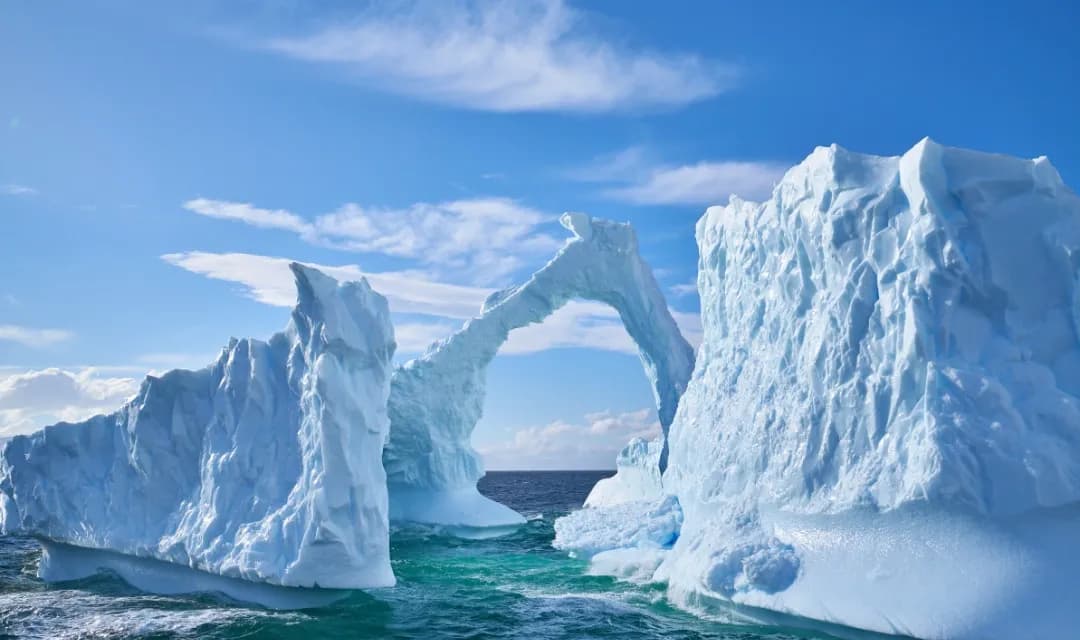
The sweet spot for most serious travelers is a ship carrying between 80 and 150 passengers. Small enough for genuine flexibility and frequent landings. Large enough to have a strong onboard expedition team — naturalists, ornithologists, glaciologists — whose lectures and guidance turn what you're witnessing into something you'll actually understand.
At this stage of planning, it could help to speak to someone who has seen these ships and itineraries first-hand. Our Antarctica specialists can tell you, honestly, which ships they'd recommend for your specific priorities — and which ones they wouldn't. Call us: 1-800-277-4517. We’ll be delighted to be a part of your planning.
Routes & Itineraries: Depth vs Duration
Antarctic Peninsula — The Classic
The standard Antarctica tour takes you down the Peninsula — the finger of land pointing toward South America. It is where the expedition infrastructure is strongest, where wildlife is most accessible, and where most first-time travelers begin.
A 10–12 day trip (including Drake crossings) gives you five to seven days in Antarctic waters. That's enough to understand what the place is. It's rarely enough to want to leave.
Peninsula + South Georgia + Falklands — The Full Picture
Add South Georgia and the Falkland Islands and the itinerary extends to 17–22 days. The Falklands offer dramatic scenery and wildlife; South Georgia offers something closer to revelation.
King penguin colonies at South Georgia can exceed 300,000 birds. Fur seals line every beach. And the ghost of Shackleton — who made his legendary survival crossing of this island in 1916 — hangs over the whole place with an atmosphere no other destination can match.
This is not a longer version of the same trip. It is a different category of journey.
Itinerary - Antarctic Peninsula (Drake)
Duration - 10–12 days
Relative Price - $15,380
Recommended For - First-timers, time-limited travelers
Itinerary - Peninsula (Fly Cruise)
Duration - 8–10 days
Relative Price - $ 15,995
Recommended For - Short on time; Drake-averse
Itinerary - Peninsula + South Georgia
Duration - 17–20 days
Relative Price - $24,700
Recommended For - Return visitors; serious wildlife travelers
Itinerary - Full South Georgia + Falklands
Duration - 20–22 days
Relative Price - $19,114
Recommended For - Bucket-list, once-in-a-lifetime investment
Comfort vs Expedition: Setting Your Expectations
An Antarctica expedition is not a cruise holiday. The itinerary is decided daily based on weather and ice. Landings can be cancelled. The Drake Passage can be uncomfortable. There are no beach clubs.
What you get instead is something most travel can no longer offer: genuine unpredictability, genuine wilderness, and genuine encounters with wildlife that has never learned to fear you.
Cabins & Comfort
On a quality expedition ship, cabins range from comfortable twin porthole rooms to full suites with private balconies and butler service. The core experience on the ice is the same regardless of what you sleep in — but a well-positioned mid-ship cabin will meaningfully reduce seasickness on the Drake.
Suites sell first, always. If that matters to you, book early.
Food & Onboard Life
Mid-tier expedition ships serve good restaurant-quality meals. Luxury expedition operators — Silversea, Scenic, Seabourn — offer fine dining that would stand up in any city. More importantly, the onboard program matters: nightly recaps, expert lectures, photography workshops. The best ships make you feel like you're on a floating field station, not a floating hotel.
Who This Trip Is Not For
We'd rather be honest here than sell the wrong journey to the wrong traveler.
• Not for those who need fixed daily schedules — itineraries change based on weather, ice, and wildlife. That's a feature, but it's also not for everyone.
• Not for travelers whose priority is onboard entertainment — there are no shows, no casinos, no pool decks. The entertainment is Antarctica itself.
• Not ideal for those with significant mobility limitations — Zodiac boarding requires stepping over an inflatable tube, and landing sites involve uneven terrain. Many guests in their 70s manage this comfortably; those with serious mobility concerns should discuss specifics with us before booking.
If any of these are genuine concerns, we'll let you know — and we may suggest a different kind of journey that suits you better. That conversation is worth having. Call us at 1800-277-4517.
Six Mistakes That Cost Antarctica Travelers Dearly
1. Choosing on price alone. The cheapest Antarctica cruise is almost never the best value. A larger ship at a lower price point delivers fewer landings, less ice time, and a fundamentally different experience. Understand what you're buying before you compare costs.
2. Booking too late. The best small ships, in the best months, on the best itineraries, are gone 10–14 months before departure. Waiting for a deal is a strategy that leaves you choosing between what's left.
3. Ignoring itinerary length. A 10-day trip and a 20-day trip are not the same experience at different price points. They are different journeys. Be honest about what you're prepared to invest — in time and money — before you start comparing.
4. Skipping the Ushuaia buffer day. Ushuaia connects through Buenos Aires. A missed connection is not an inconvenience — it's a missed departure. Arrive a day early. Book a night. Don't risk the whole expedition on a tight connection.
5. Choosing the wrong cabin for the Drake. A forward-facing cabin on an upper deck is a beautiful room in calm water. It's miserable in heavy seas. Mid-ship, lower deck is significantly more stable. It matters.
6. Under-researching the expedition team. The quality of your onboard naturalists and guides determines the intellectual depth of the experience. Ask operators how many experts they carry per passenger. Ask who's leading your specific departure. The difference between an average team and an exceptional one is the difference between seeing wildlife and understanding it.
Travelopod Expert Insight
What we tell every client before they book:
• Ideal ship size: 80–130 passengers. Small enough for the best landing access, large enough for a serious expedition team.
• Fly cruise: Right for travelers with limited time or severe seasickness history. Not a compromise — a different, equally valid choice.
• Best cabin: Mid-ship, lower or middle deck. Upgrade to a suite if comfort is a priority; prioritize position over size if seasickness is a concern.
• When to book: January departures on small ships: 12–16 months out. November and March: 8–10 months.
• Landing frequency: Ask every operator how many landings per day their itinerary delivers. Two per day on a small ship is the benchmark. One per day on a large ship is a different product.
• How we shortlist operators: Ship size, landing frequency, expedition team credentials, passenger-to-guide ratio, and which specific itinerary runs in your preferred month. Price comes after all of these.
Why Book With Travelopod
We’ve been in travel for over 21 years. Our customers love us, they’ve consistently rated us 4.9-stars. We have real people on the phone — 24/7, no hold music, no chatbots.
We handle everything: flights, hotels, transfers, the expedition itself. Think of us less as a travel agency and more as a dedicated travel concierge — one call and it's taken care of.
On a trip like Antarctica, that's not a convenience. It's peace of mind.
The Right Antarctica Expedition Is the One Built Around You
There is no single best Antarctica expedition cruise. There is the one that matches your priorities — the month that has what you want to see, the ship that gives you the time on the ice you came for, the itinerary that matches the journey you've been imagining.
What our experience tells us, consistently, is this: the travelers who choose well spend the last day on the ship already wondering when they can come back.
Allow us to help you book such an Antarctica expedition.
Our specialists have planned hundreds of these trips. Tell us when you want to go and what matters to you — we'll build the right expedition around that.
Call 1-800-277-4517
ExclusiveOur Signature Journeys
View All >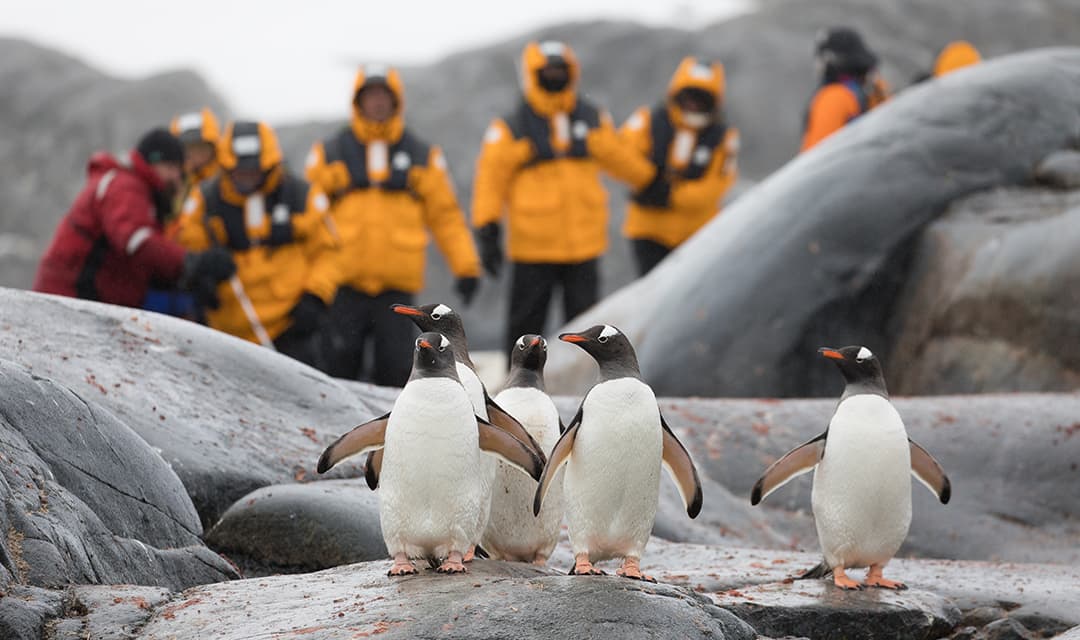
.webp&w=2560&q=75)
Why Choose Travelopod
Travelopod makes every journey seamless, affordable, and unforgettable. Here's why travelers choose us for flights and vacations.
Your Next Adventure Awaits
.png&w=2560&q=75)
.png&w=2560&q=75)
.png&w=2560&q=75)
.png&w=2560&q=75)
.png&w=2560&q=75)
.webp&w=2560&q=75)
.png&w=2560&q=75)
Meet Our Special Advisors
Our trusted advisors bring decades of expertise to help plan your perfect journey.

Anna
Holiday Expert

Vic
Holiday Expert

Suzane
Holiday Expert
Get Holiday Inspiration & Exclusive Offers
Join our mailing list to receive the latest updates and travel inspiration
We respect your privacy. Unsubscribe at any time.